2026 Top Slitting Rewinding Machine Innovations and Trends?
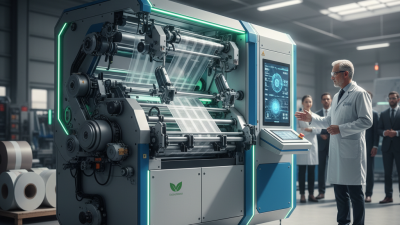
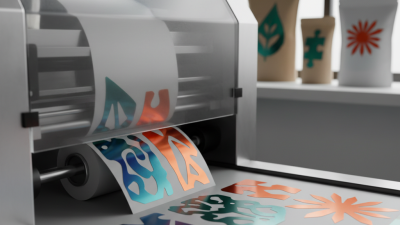
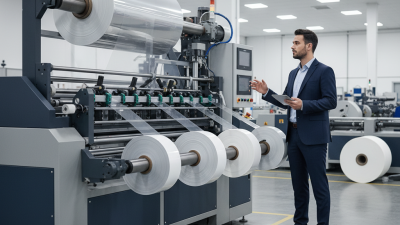
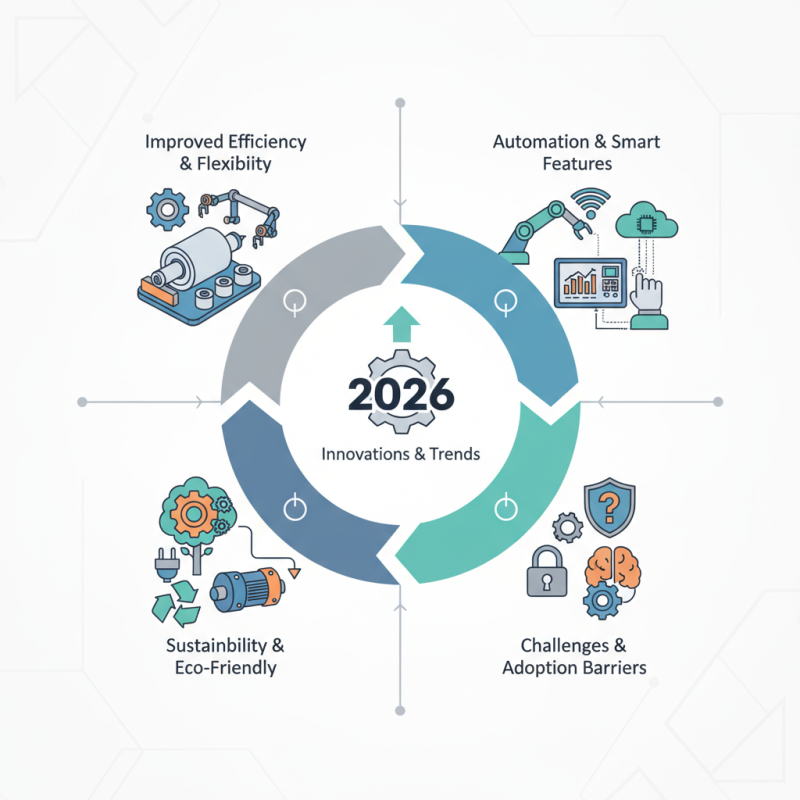
The slitting rewinding machine industry is evolving rapidly. Innovations are shaping the market landscape for 2026. Companies are focusing on improving efficiency and flexibility. These machines are essential in processing various materials. They slice wide rolls into narrower widths and rewind them onto new cores.
New technologies are emerging to enhance performance. Automation is becoming a key trend. Smart features are being incorporated, allowing for real-time monitoring. Yet, challenges remain in adopting these advancements. Not every company can easily implement automation. Cost and training can be barriers.
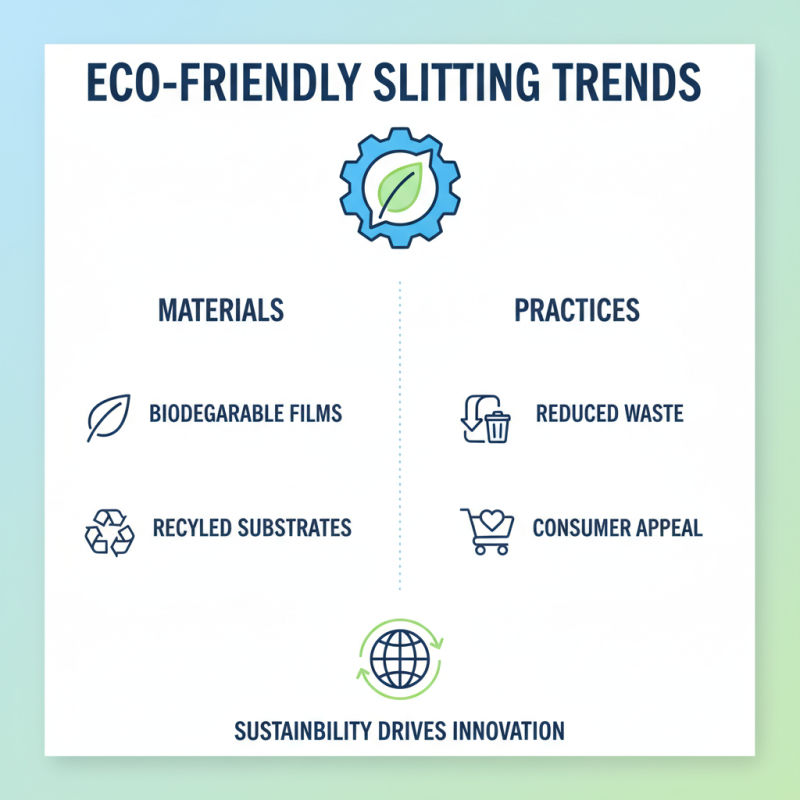
Sustainability is also a hot topic. Eco-friendly materials and energy-efficient machines are gaining traction. However, not all manufacturers prioritize these changes. The industry must reflect on balancing innovation with environmental responsibility. Staying competitive and responsible is crucial for future growth.
Emerging Technologies in Slitting Rewinding Machines for 2026
The slitting rewinding machine industry is evolving rapidly, with advancements in technology shaping its future. In 2026, automation stands out as a major trend. Experts indicate that more than 30% of production facilities will likely adopt automated systems for slitting processes. This integration boosts efficiency and minimizes human error. Elements such as artificial intelligence and machine learning enhance performance and flexibility, allowing for quicker adjustments to material types.
Another emerging technology is the use of advanced materials for blades and components. Reports suggest that using ceramic and coated materials can increase blade life by over 25%. This reduction in wear translates to lower operational costs and less downtime. However, the initial investment for such technologies can be significant, and many companies may hesitate due to budget constraints.
Moreover, the demand for eco-friendly practices is on the rise. The latest data indicates that companies focusing on sustainable manufacturing processes will see a 15% increase in market share. However, achieving these goals requires a fundamental shift in how resources are managed. Many players in the industry are still grappling with traditional practices, which can hinder progress. These challenges highlight the need for continuous innovation and reflection on existing operations.
2026 Top Slitting Rewinding Machine Innovations and Trends
| Innovation/Trend |
Description |
Expected Impact |
Implementation Year |
| Automated Control Systems |
Integration of AI and machine learning for real-time adjustments. |
Increased efficiency and reduced waste. |
2026 |
| Eco-friendly Materials |
Use of sustainable and recyclable materials in machine components. |
Reduction of environmental impact. |
2025 |
| Real-time Monitoring |
Sensors and IoT integration for 24/7 machine monitoring. |
Proactive maintenance and downtime reduction. |
2026 |
| Flexible Configuration |
Machines designed for quick adjustments to handle various materials. |
Versatility in production capabilities. |
2026 |
| Energy-efficient Motors |
Adoption of advanced motor technologies to reduce energy consumption. |
Lower operational costs and improved sustainability. |
2025 |
Key Innovations in Automation and Control Systems for Slitting Machines
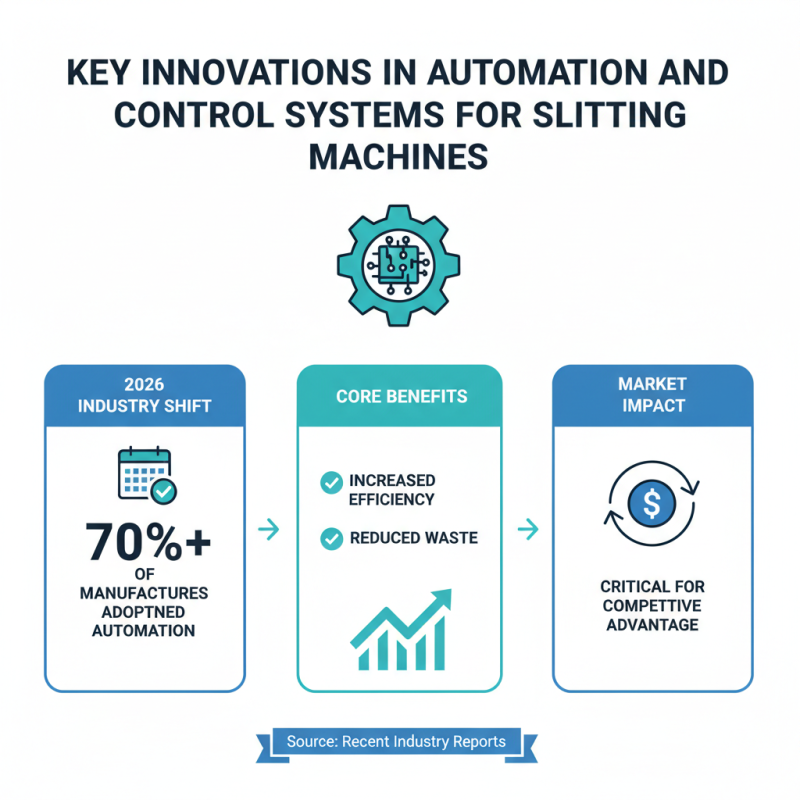
In 2026, innovations in automation and control systems for slitting machines are reshaping the industry. According to recent reports, over 70% of manufacturers are looking to implement advanced automation in their operations. This trend leads to increased efficiency and reduced waste, critical factors in today's competitive market.
Many new control systems offer precise settings. These allow operators to adjust speeds and blade tensions accurately. Companies report a reduction in setup time by up to 50%. This is a game-changer for responsiveness to market needs. However, not all systems are easy to integrate. Some businesses struggle with compatibility issues during upgrades.
Tips: Invest in training for your staff. Understanding new systems is essential for maximizing the benefits. Regular maintenance is crucial. Neglecting it can lead to breakdowns, negating the efficiency gains.
The shift towards smart technologies, like IoT and AI, also stands out. Reports indicate that integrating these technologies can enhance predictive maintenance, minimizing unexpected downtimes. Yet, the initial costs can deter smaller manufacturers. Balancing investment and operational efficiency is a real challenge.
Market Demand and Applications Driving Slitting Rewinding Innovations
The slitting rewinding machine industry is experiencing significant growth, driven by increasing market demand across various applications. Recent reports indicate that the market is projected to reach $8.4 billion by 2026, with a compound annual growth rate (CAGR) of 5.2%. This growth is attributed to the rising need for precision and efficiency in packaging, textiles, and label manufacturing.
Innovations in slitting and rewinding technology are crucial. Advanced features such as automatic tension control and quick-change blades are in high demand. These innovations enhance productivity and reduce material waste, vital for businesses aiming for sustainability. Companies are focusing on creating machines that can handle a variety of materials, from paper to films and nonwovens. Data shows a notable shift towards machines that can accommodate eco-friendly materials.
Tips: Choose machinery that enhances your operational efficiency. Look for customizable options that fit your specific needs. Review your processes regularly to identify areas for improvement. As trends evolve, it’s essential to stay adaptable; aftermarket services can be valuable. Embracing new technologies can position companies for future success.
Future-Proofing Slitting Rewinding Machines: Adaptability and Efficiency
The slitting rewinding machine industry is evolving quickly. In 2026, adaptability and efficiency will be crucial for manufacturers. According to a recent market report, the global market for slitting rewinding machines is projected to grow at a compound annual growth rate (CAGR) of 5.2%. This growth indicates a strong need for machines that can adapt to diverse materials and varying production demands.
Flexibility in machine design allows businesses to respond effectively to market changes. For example, the ability to switch between different substrates within minutes enhances productivity. Many manufacturers face challenges in optimizing their workflow. Processes can become inefficient if machines are not versatile enough. Reports suggest that over 30% of production time can be lost due to inadequate adaptability.
Efficiency is also linked to energy consumption. Innovations in motor technology can reduce energy usage by up to 15% compared to older models. Still, many companies are reluctant to invest in upgrades. The initial cost remains a barrier, despite potential long-term savings. Organizations need to reflect on their strategies and recognize the importance of energy-efficient machines for sustainability. This reflection is vital in ensuring future competitiveness.

 Contact immediately

 Contact Phone
 Contact Email