What is a 4 Color Screen Printing Machine and How Does It Work?
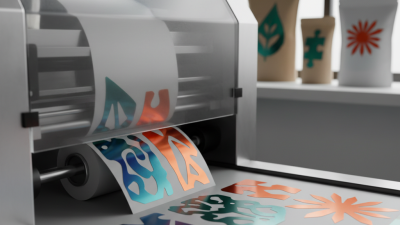
The 4 Color Screen Printing Machine is a fascinating tool in the printing industry. It uses a unique process that combines four colors to create vibrant images on various materials. This machine can print on fabrics, paper, and even plastics.
Understanding how it works is essential for businesses looking to enhance their branding. The process involves creating screens for each color, aligning them carefully, and then applying ink. However, achieving perfect registration can be tricky. Mistakes in alignment can lead to blurry images, diminishing quality.
Moreover, while the machine can produce stunning results, it requires regular maintenance. Users often face issues like clogged screens or inconsistent ink flow. Learning to operate a 4 Color Screen Printing Machine effectively can take time and practice. This complexity can be daunting for beginners, but it also reflects the artistry involved.
What is a 4 Color Screen Printing Machine?
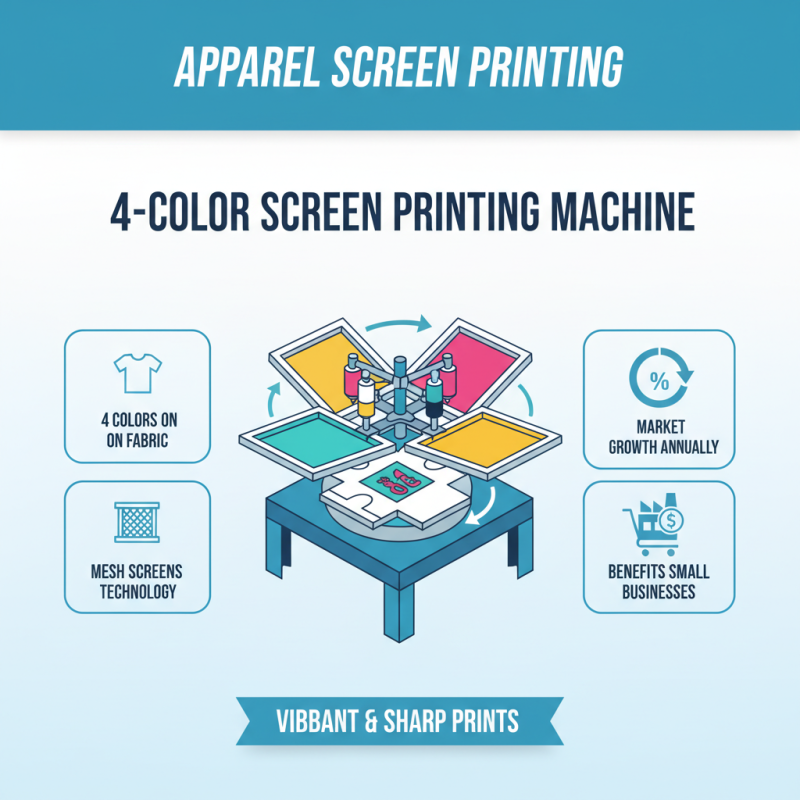
A 4 Color Screen Printing Machine is essential in the apparel industry. It allows the application of four colors to fabric using mesh screens. This technique ensures vibrant and sharp prints. According to industry data, the screen printing market is expected to grow by over 3% annually. Many small businesses benefit from this technology.
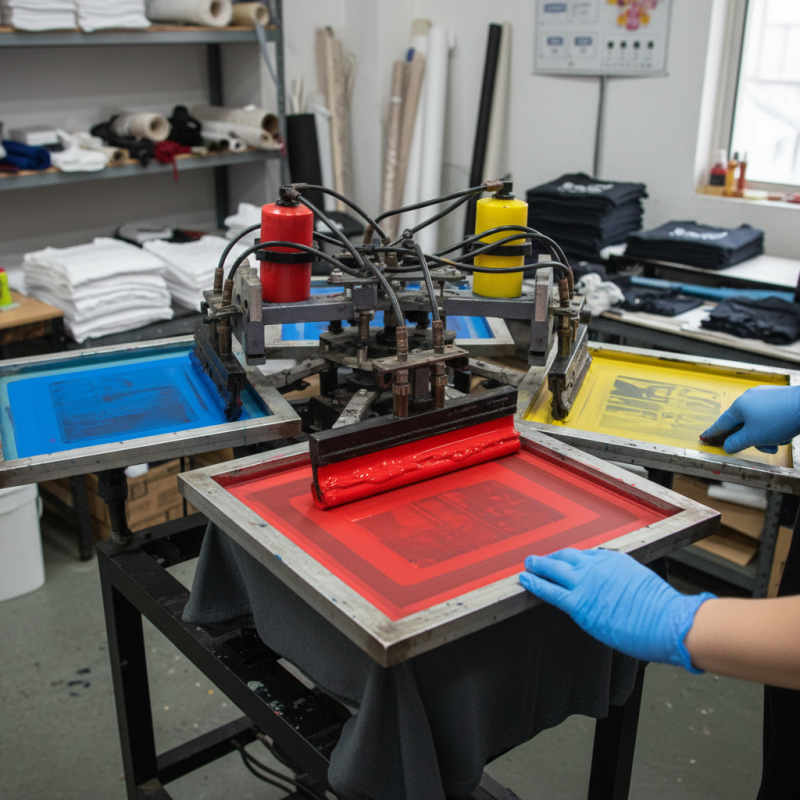
The machine operates with a simple yet effective process. Each color uses a separate screen. Ink is pushed through the mesh, creating a precise print. Adjusting squeegee pressure can impact the quality. Sometimes, the ink may smudge if not handled correctly. Additionally, color registration can be tricky. Misalignment can ruin a design.
Many printers face challenges with consistency. Finding the right ink and materials is vital. Some colors may not mix well, leading to unexpected results. Customers may receive products that don't meet their expectations. While screen printing offers many benefits, it requires practice and skill. Mastering this technique takes time and effort.
Key Components of a 4 Color Screen Printing Machine
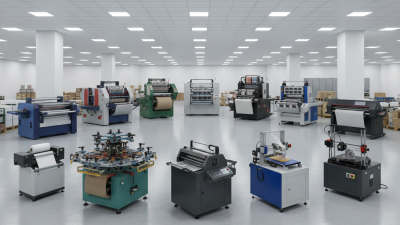
A 4 color screen printing machine is a fascinating piece of equipment. It consists of several key components that work together to create vibrant designs. The primary elements include the frame, squeegee, ink, and screens. Each part plays a crucial role in the printing process.
The frame holds the screen in place. It provides stability during printing. Screens are made of tightly woven mesh. The ink passes through the open areas of the screen. This creates the design on the material below. Squeegees are essential for spreading the ink. They help ensure even coverage. The proper pressure is necessary. Otherwise, the design can end up uneven.
An important yet often overlooked component is the registration system. This helps align each color accurately. If not aligned correctly, colors can overlap or misplace. This is a common source of frustration for many printers. The learning curve can be steep and mistakes happen. Each misstep offers a chance for improvement. Experimenting with adjustments can lead to better results. Embracing these challenges can turn setbacks into opportunities for growth.
4 Color Screen Printing Machine - Key Components Analysis
The Screen Printing Process Explained in Steps
The screen printing process is an art form that has evolved over the years. Using a 4-color screen printing machine, the steps are both fascinating and intricate. The process begins with preparing the screens, typically made from fine mesh fabric. Each screen corresponds to a specific color in the design. This setup requires precision and attention to detail.
After the screens are prepared, the next step is to apply ink. Each color is printed separately. The colors overlap, creating a rich, vibrant image. However, aligning the screens perfectly can be tricky. One small misjudgment can ruin the entire print. Positive results require patience and practice.
Finally, the printed items need to dry. This part of the process is crucial. Improper drying can lead to smudging or fading. It’s often a waiting game. Each step requires foresight and care. The process is rewarding but not without its challenges. Mistakes can happen, and they teach valuable lessons. The art of screen printing is not just about technique; it is about learning and adapting.
Advantages of Using a 4 Color Screen Printing Machine
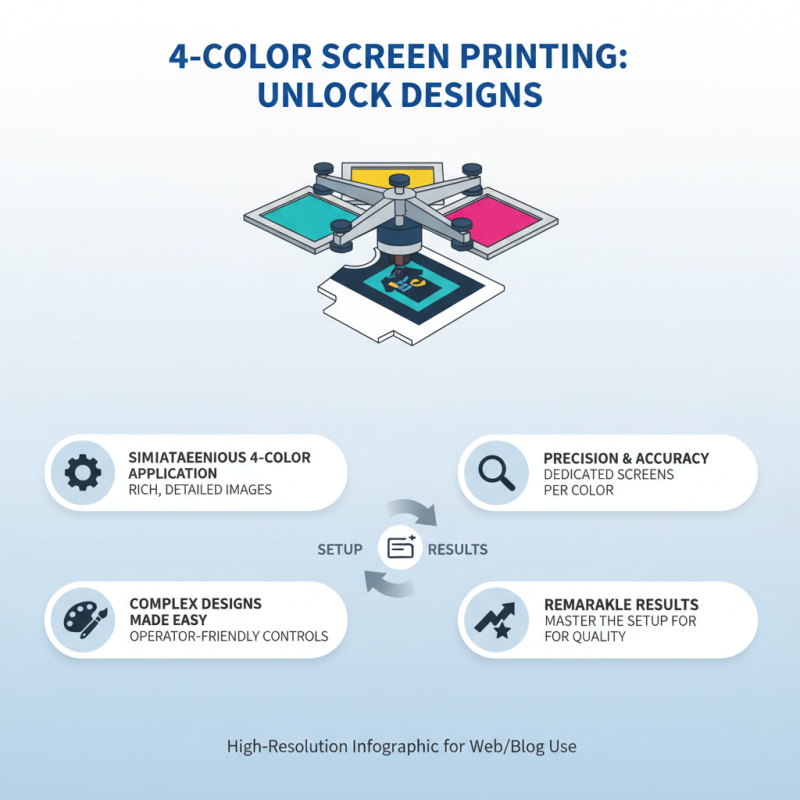
A 4 color screen printing machine offers several advantages for printing vibrant designs. It allows for the application of four colors simultaneously. This capability results in rich, detailed images. The machine uses screens for each color, ensuring accuracy and precision. Operators can achieve complex designs with ease. The setup may seem daunting, but mastering it can lead to remarkable results.
One major benefit is cost efficiency. Once the screens are prepared, printing multiple items becomes quicker and cheaper. Less time is spent on setup. The output quality remains high across different materials. However, inconsistencies may arise during the color registration process. Users must pay close attention. It’s easy to overlook minor adjustments, leading to flawed prints.
Another advantage is versatility. This machine works on various surfaces like fabrics, wood, or metal. Artists can experiment with designs easily. Different inks can be used to achieve unique textures. Yet, the process demands practice and patience. Mistakes happen, especially with complex designs. Reflecting on these challenges can lead to improved techniques overall.
Common Applications of 4 Color Screen Printing in Industries
4 Color Screen Printing is widely used across various industries. It enables vibrant designs on different materials. This method is popular for creating graphics on textiles, such as t-shirts and banners. The colors can pop with clarity, making products visually appealing.
In the promotional products sector, this printing technique stands out. Businesses often use it for customization. Think about coffee mugs, tote bags, and caps. Each item can be tailored with logos or designs. This enhances brand visibility. However, achieving perfect alignment can be challenging. Misprints occasionally occur, leading to wasted materials.
Moreover, the packaging industry utilizes this method effectively. Colorful designs attract customers’ attention. But, matching colors accurately is vital. Inaccuracies can diminish a product's appeal. Companies must balance creativity with precision. The potential for errors is always present, prompting continuous improvement in the process.

 Contact immediately

 Contact Phone
 Contact Email