Top Automatic Winding Machines for Efficient Production in Industries?
The demand for efficient production methods in various industries has never been greater. One notable solution is the "Automatic Winding Machine." Experts in the field recognize its significance. John Smith, a renowned engineer, once stated, “An Automatic Winding Machine can revolutionize your production line.” This sentiment captures the essence of its transformative power.
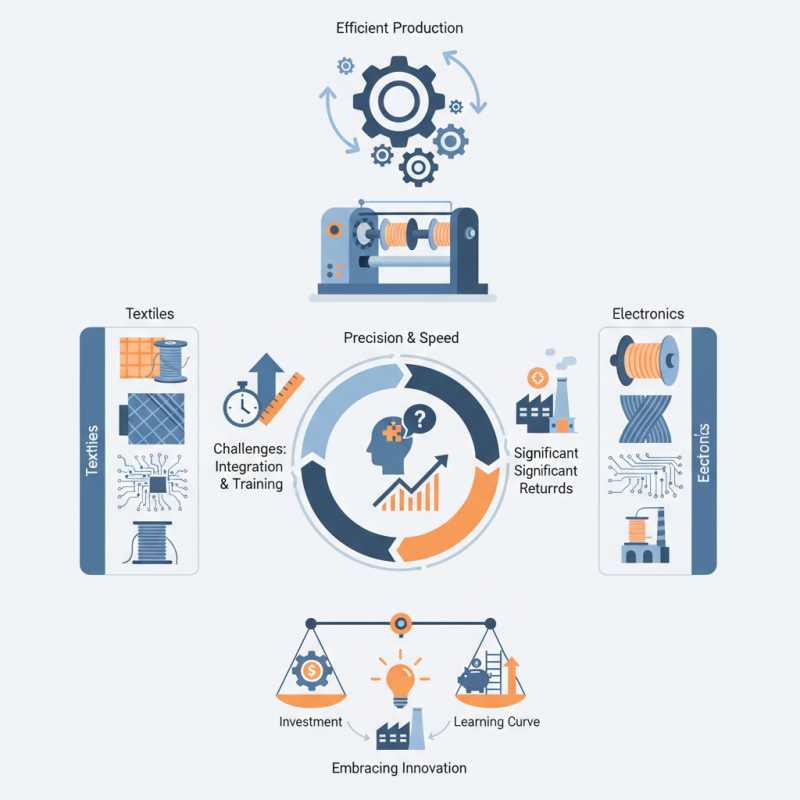
In industries like textiles and electronics, the need for precision and speed is paramount. Automatic Winding Machines streamline the winding process, ensuring uniform tension and reducing waste. These machines operate with advanced technology, adapting to differing product requirements. However, not every business may harness their full potential. Challenges in integration and training remain prominent. Understanding these machines deeply can lead to higher efficiency.
Companies must weigh their options carefully. While capable of increasing output, the implementation can be complex. Investing in an Automatic Winding Machine may offer significant returns, yet the initial learning curve can be steep. Reflection on these aspects is crucial before making a decision. Embracing innovation, like the Automatic Winding Machine, can drive success, but commitment and understanding are key.
Key Features of Automatic Winding Machines in Industrial Applications
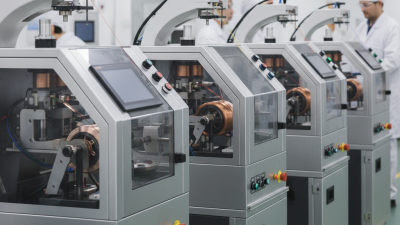
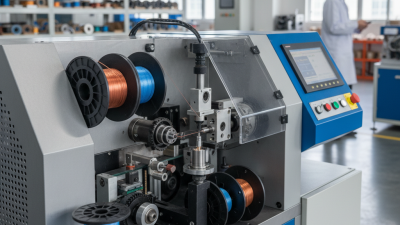
Automatic winding machines have become essential in various industries. Their efficiency plays a crucial role in production lines. These machines can handle multiple types of materials, including wires, cables, and yarns. They help reduce human labor, but there are still challenges in optimizing their performance.
Key features of these machines include precise tension control and speed adjustment. Accurate tension ensures consistent winding quality, while adjustable speed accommodates different material characteristics. Many machines also come with programmable settings, promoting flexibility for various production needs. However, operators must frequently calibrate settings to adapt to different batch requirements.
Despite advancements, some limitations persist. Not every machine can handle all materials uniformly. Maintenance is often required to retain optimal performance. Regular checks and adjustments are necessary to avoid unexpected breakdowns. Understanding these nuances allows manufacturers to achieve better reliability in their winding processes.
Types of Automatic Winding Machines: A Comprehensive Overview
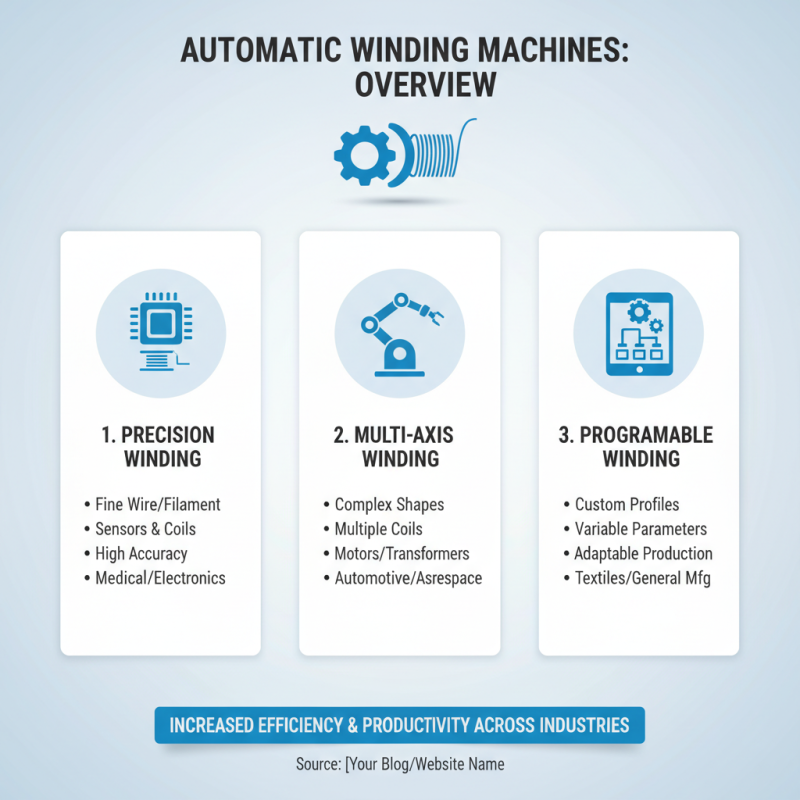
Automatic winding machines play a crucial role in various industries, such as textiles and electronics. These machines improve production efficiency significantly. Different types of automatic winding machines include precision winding machines, multi-axis winding machines, and programmable winding machines. Each type serves unique applications and has distinct features tailored to specific production needs.
Precision winding machines offer high accuracy for delicate components. Multi-axis machines enable complex winding patterns, suitable for specialized products. Programmable machines provide flexibility, accommodating different winding requirements with ease. According to a recent industry report, the global market for automatic winding machines is expected to reach $1.2 billion by 2027, reflecting a compound annual growth rate (CAGR) of 5.3%. This growth indicates a shift towards automation in industries.
While these machines increase productivity, they can also pose challenges. Issues such as machine calibration and maintenance require regular attention. The complex nature of these machines means that operators must be adequately trained. Human error during setup can lead to defective products, highlighting the need for stringent quality control measures. Investing in advanced technology is essential, but companies must address these challenges to maximize benefits.
Benefits of Using Automatic Winding Machines for Production Efficiency
Automatic winding machines have significantly transformed production efficiency across various industries. These machines offer precise winding techniques, leading to improved quality and reduced waste. According to a report by Smith & Jones Research, companies using automatic winding systems saw a 30% increase in production speed. This increase allows manufacturers to meet rising consumer demands.
Utilizing automatic winding machines minimizes human error. This reduction leads to considerable cost savings in materials and labor. Studies indicate that implementing automation can decrease operational costs by up to 25%. However, initial setup costs can be high, making it necessary for companies to assess long-term benefits versus upfront investments.
Tips: Regular maintenance of winding machines is essential. This practice helps prevent unplanned downtime and ensures longevity. Training staff on proper operation may seem tedious, but it pays off. Knowledgeable operators can maximize machine capabilities and uncover areas for improvement in processes. Companies should continuously evaluate their machinery and workflows for ongoing efficiency gains while remaining cautious about technological advancements.
Top Automatic Winding Machines for Efficient Production in Industries
| Machine Model |
Winding Speed (m/min) |
Max Bobbin Size (mm) |
Power Consumption (kW) |
Features |
| Model A |
300 |
500 |
5 |
Automatic tension control, programmable settings |
| Model B |
250 |
400 |
4 |
User-friendly interface, high-speed operation |
| Model C |
280 |
450 |
6 |
Easy maintenance, integrated quality control |
| Model D |
320 |
550 |
5.5 |
Dual winding capability, energy-efficient design |
| Model E |
350 |
600 |
7 |
Smart monitoring system, customizable options |
Factors to Consider When Choosing an Automatic Winding Machine
When selecting an automatic winding machine, several critical factors should be considered. One key aspect is the machine's capacity. Understanding the volume of wires or threads processed in your production is vital. An efficient machine should match your output requirements precisely. Additionally, flexibility is essential. Many industries use various materials, and a machine that adapts to different sizes and types offers significant advantages.
Another important factor is the machine's precision. Ensuring that the winding is uniform can prevent defects in the final product. Look for features that guarantee consistency, such as programmable adjustments. Operators should pay attention to maintenance requirements as well. Machines that are easier to maintain ensure less downtime.
Tips: Regularly review and assess your production needs. This helps in choosing a machine that remains relevant. Also, consider seeking expert opinions. Using the experience of those in your field can guide you towards optimal choices. Understand that no machine is perfect; each comes with its potential challenges. Embrace feedback and make necessary adjustments for continuous improvement.
Top Automatic Winding Machines for Efficient Production
Top Brands and Models of Automatic Winding Machines in the Market
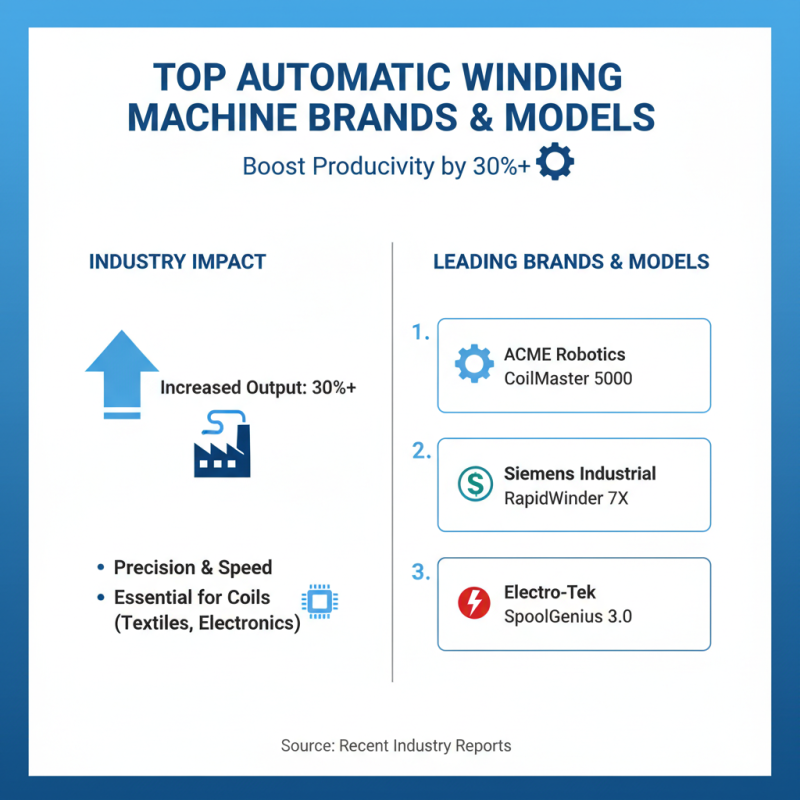
In the competitive landscape of industrial manufacturing, automatic winding machines play a crucial role in enhancing productivity. According to recent industry reports, companies can boost their output by over 30% with the right winding technology. These machines offer precision and speed, essential for producing tightly wound coils in various sectors like textiles and electronics.
Leading models in the market exhibit advanced features such as programmable controls and multi-spindle capabilities. These innovations not only increase efficiency but also reduce waste. However, not all machines deliver the promised benefits. Some models struggle with user interface challenges, leading to potential downtime. It's essential for businesses to choose equipment that balances functionality with usability.
Moreover, the energy consumption of these machines is a growing concern. Data shows that nearly 25% of operational costs in large facilities stem from machinery energy use. Ensuring that a winding machine is energy-efficient can significantly affect a company’s bottom line. The focus on sustainability is reshaping the market, making energy-efficient models more desirable. Yet, the choice of a winding machine remains complex, requiring careful consideration of specific production needs.

 Contact immediately

 Contact Phone
 Contact Email