Top 10 Benefits of Using Automatic Winding Machine in Manufacturing?
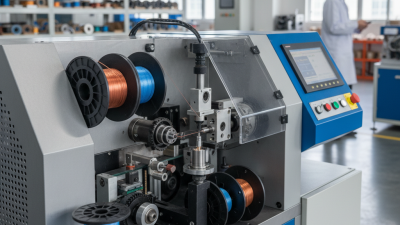
In the fast-paced world of manufacturing, the impact of technology cannot be understated. Experts emphasize that employing an "Automatic Winding Machine" transforms production efficiency and product quality. Dr. Emily Zhao, a leading specialist in automation, states, “Automatic Winding Machines enhance precision and reduce labor costs significantly.”
The benefits of these machines extend beyond mere speed. They are crucial for ensuring that products meet stringent quality standards. For instance, they can handle complex winding patterns that manual machines often struggle with. This leads to fewer errors and reduced material waste, creating a more sustainable manufacturing process.
Nevertheless, it is essential to reflect on the potential pitfalls. Initial investments in technology can be high, and not all factories are ready for such an upgrade. Training employees to operate these advanced machines can take time and resources. As manufacturers weigh the pros and cons, understanding their unique needs becomes vital. In this landscape, the advantages of the Automatic Winding Machine are undeniable, but careful consideration of challenges is equally important.
Benefits of Increased Production Efficiency with Automatic Winding Machines
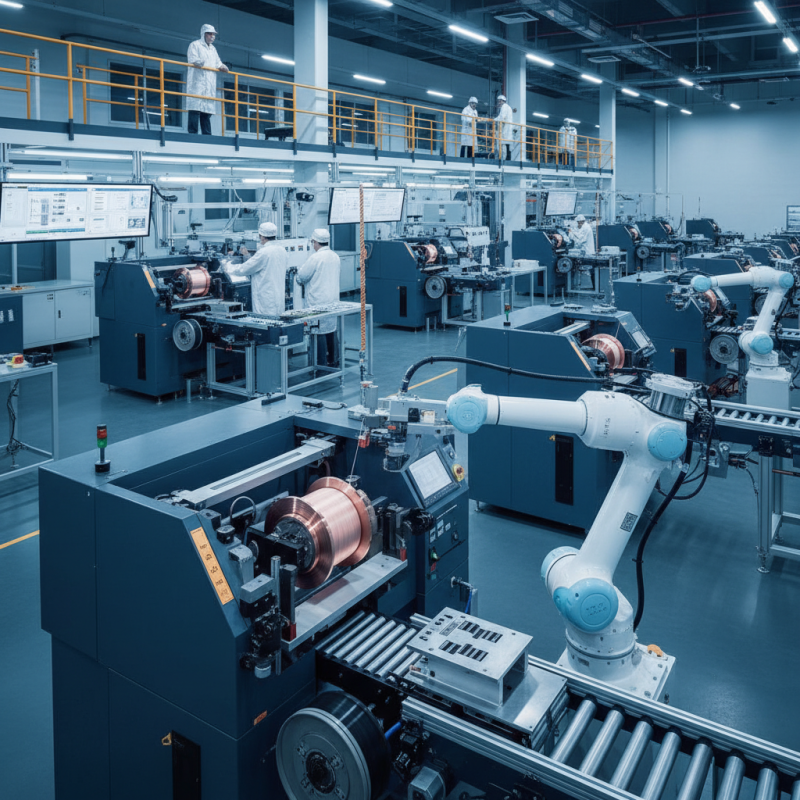
Automatic winding machines can significantly boost production efficiency in manufacturing. These machines streamline the winding process, allowing for precise and consistent results. Workers can focus on quality control rather than repetitive tasks. The speed of production increases, reducing lead times. This efficiency often translates to lower operational costs.
Tips for implementation include starting with a small unit. Testing the machine with different materials helps identify optimal settings. Operators should receive training on the machine’s nuances. Understand that mistakes can happen during the transition period. Adjustments may be needed for specific products.
Using these machines can lead to high-quality output. However, it’s essential to monitor performance regularly. Investing time in regular maintenance ensures longevity and effectiveness. Remember that the initial investment is worthwhile, but patience is key when integrating new technology. Assessing results over time reveals areas for improvement.
Top 10 Benefits of Using Automatic Winding Machine in Manufacturing
Reduction of Labor Costs through Automation in Manufacturing Processes
The integration of automatic winding machines in manufacturing is transforming labor dynamics. By automating processes, manufacturers can significantly reduce labor costs, which have been rising steadily. According to a report by McKinsey, automation could cut production labor costs by 20% to 50% in various sectors. This substantial reduction enables companies to allocate resources more efficiently.
While automation brings cost savings, it also raises concerns. Job displacement is a genuine issue. Many workers fear losing their jobs as machines take over repetitive tasks. Additionally, training employees to manage these machines is critical. A report from Deloitte suggests that 1.4 million manufacturing jobs could become obsolete by 2030. Companies need to balance automation with workforce development.
Moreover, the initial investment in automatic winding machines can be daunting. High upfront costs may deter some manufacturers. Despite this, long-term gains often outweigh these initial investments. A study by PwC estimates that manufacturers who adopt automation can see a return on investment within three years. This data indicates that the potential for efficiency improvements and reduced labor costs justifies the investment. However, companies must strategize their automation implementation carefully to avoid challenges.
Improved Precision and Quality in Winding Operations
Automatic winding machines have transformed the manufacturing landscape, particularly in winding operations. These machines excel in achieving improved precision and quality. With advanced technology, they consistently produce tight, uniform coils. This precision minimizes defects and reduces waste in production lines.
Quality control becomes easier with automated systems. They allow for better monitoring of each winding cycle. Operators can easily spot flaws or inconsistencies. However, machine calibration can be tricky. Over time, minor adjustments may be needed to maintain accuracy. Understanding these nuances is essential. Regular maintenance and skilled personnel contribute significantly to performance.
The user interface of many machines may require training. Operators need to become familiar with settings and adjustments. Even minor errors could lead to significant quality issues. Investing in ongoing education is vital for operators. It ensures that they are not just machine operators but skilled technicians. This knowledge empowers teams to improve both precision and overall product quality in winding operations.
Enhanced Safety Measures in Manufacturing Environments
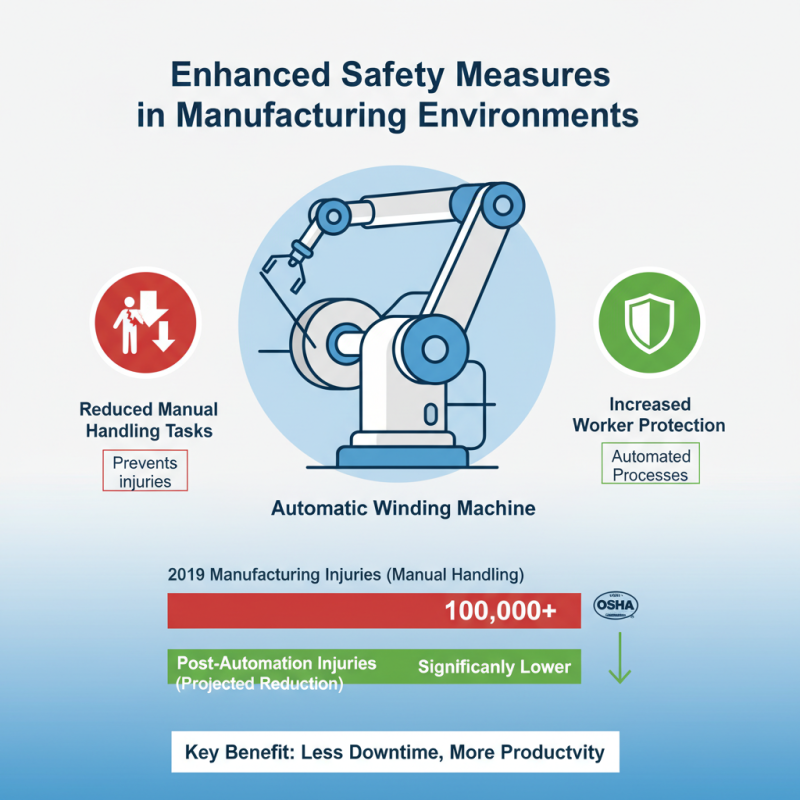
The automatic winding machine significantly enhances safety in manufacturing environments. According to a report by the Occupational Safety and Health Administration (OSHA), injuries in manufacturing can lead to significant downtime. In 2019, more than 100,000 workers suffered serious injuries, many linked to manual handling tasks. By automating these processes, manufacturers reduce the risk of accidents.
Moreover, automatic winding machines operate with precision. They minimize the need for employees to handle heavy or dangerous materials manually. This increased automation helps lower the chances of repetitive stress injuries. A study from the National Safety Council noted that ergonomically designed machines could reduce such injuries by up to 40%. Yet, many companies underestimate the importance of training employees on new technology, which can lead to safety lapses.
Some manufacturers rushed into automation without a clear plan. This approach can create confusion and safety hazards. Proper implementation involves not just purchasing machinery, but also investing in employee education and safety protocols. A comprehensive safety strategy should address both machine operation and emergency procedures. Working in an automated setting isn’t risk-free, and constant vigilance is essential.
Flexibility and Versatility of Automatic Winding Machines in Different Applications
Automatic winding machines offer remarkable flexibility and versatility across various manufacturing sectors. They can efficiently handle diverse materials, from delicate threads to robust wires. This adaptability enables manufacturers to meet different production demands without significant downtime. For instance, switching from winding one type of material to another can often be done quickly. However, not all machines accommodate every specific material or size perfectly, sometimes requiring manual adjustments.
In applications ranging from electronics to textiles, these machines demonstrate considerable efficiency. They can produce consistent quality with minimal human intervention. This reduces the chances of errors, but occasional challenges persist, particularly in settings with high variability. The machine's settings might need fine-tuning, as some users may struggle to achieve optimal results. Understanding each application’s requirements is crucial. It’s not just about speed; the end product's quality must also remain a key focus. Manufacturers often find themselves balancing these factors, emphasizing the need for ongoing training and adjustments.

 Contact immediately

 Contact Phone
 Contact Email