Top Benefits of Using a Slitting Rewinding Machine for Your Business?
In the fast-paced world of manufacturing, efficiency and precision are paramount. A Slitting Rewinding Machine provides significant advantages for businesses looking to optimize their production processes. According to a recent report by Smithers Pira, the global market for slitting and rewinding machines is projected to grow at a CAGR of 4.5% through 2025. This growth highlights the increasing importance of these machines in various sectors, including packaging and printing.
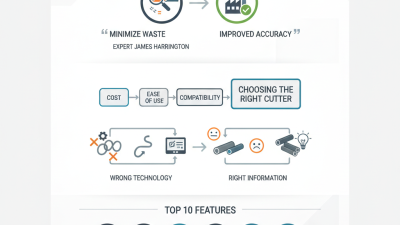
Implementing a Slitting Rewinding Machine can lead to improved operational efficiency. It reduces waste by cutting materials accurately and rewinding them for easy handling. This ability to minimize excess material not only boosts production yields but also contributes to cost savings. However, it is essential to select the right machine for your specific needs, as poorly chosen equipment can hinder rather than enhance performance.
Additionally, investing in advanced technology can create new challenges. For instance, staff may require training to operate sophisticated machinery efficiently. Balancing technology adoption with workforce capabilities is critical. Ultimately, a thoughtful approach to integrating a Slitting Rewinding Machine can significantly enhance business operations while understanding its limitations is also vital.
Key Features of Slitting Rewinding Machines Enhancing Efficiency
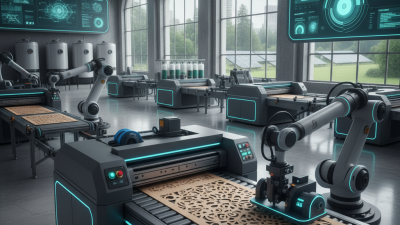
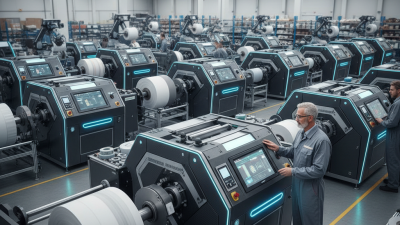
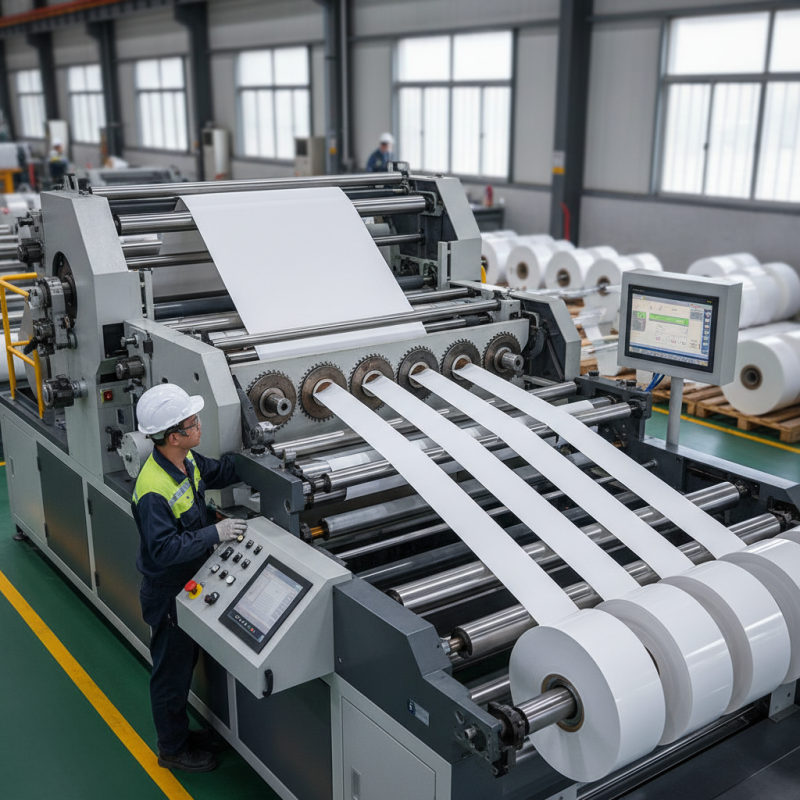
Slitting rewinding machines are essential in modern production. These machines streamline the process of cutting wide rolls of material into narrower widths. They can handle a variety of substrates, such as paper, plastic, and film. This versatility allows businesses to cater to diverse customer needs.
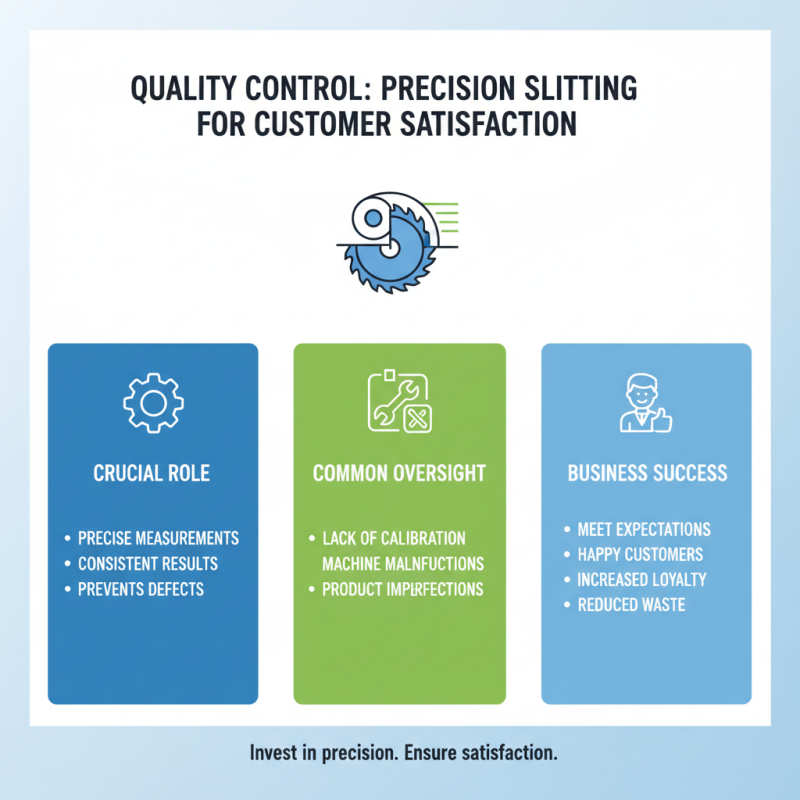
Efficiency is a key advantage. Advanced slitting and rewinding technology reduces waste and increases speed. Many machines come equipped with automatic loading and unloading systems. This saves time and minimizes labor costs. Another notable feature is precision control. High-quality machines can achieve exact measurements, ensuring uniformity in finished products.
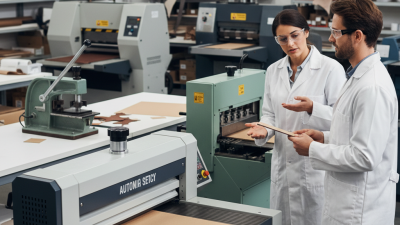
However, some users face challenges. The initial setup can be complex. Training employees to operate these machines efficiently may require additional time and resources. Regular maintenance is crucial to avoid downtime. Addressing these issues will enhance productivity. Despite these hurdles, the benefits of using a slitting rewinding machine often outweigh the difficulties.
Cost-Effectiveness: Analyzing ROI in Slitting Rewinding Operations
Investing in a slitting rewinding machine can significantly improve your operational efficiency. Understanding the return on investment (ROI) is crucial. Cost-effectiveness isn't just about the initial purchase price. It involves analyzing long-term gains through reduced labor costs and increased productivity.
By automating the slitting and rewinding process, businesses can save time. This machine minimizes material waste, ensuring that each roll is utilized effectively. However, some operations may find the upfront costs high. It's essential to evaluate the impact on your production line. Do you have enough volume to justify the investment? Consider the potential savings in labor and reduced material losses.
Maintenance is another factor to reflect on. While these machines can enhance productivity, they require ongoing care. Budgeting for repairs and service contracts is vital. A lack of maintenance can lead to breakdowns, resulting in unexpected costs. Assessing these aspects will help clarify whether the machine truly serves your business in the long run.
Industry Applications: Diverse Uses of Slitting Rewinding Technology
Slitting rewinding machines are essential in various industries. They cut and rewind materials with precision. This technology is widely used in packaging, textiles, and electrical insulation. In the packaging sector, for example, it improves material efficiency by reducing waste. According to a recent industry report, around 30% of packaging waste can be minimized with effective slitting techniques.
Textile manufacturers also benefit significantly from this technology. The ability to handle various substrates provides versatility. For instance, slitting machines can process narrow tapes or broad rolls. In fact, a study indicated that slitting rewinding can increase production speed by up to 25% in textile applications. Yet, many companies struggle with selecting the right machine for their needs. This oversight can lead to inefficiencies and increased operational costs.
In the electrical insulation industry, slitting rewinding plays a crucial role as well. It ensures that materials meet stringent industry standards. However, improper adjustments can compromise quality. Manufacturers need to balance speed with accuracy to maintain product integrity. Understanding the application specifics is vital for industry players aiming for optimal output.
Top Benefits of Using a Slitting Rewinding Machine
Market Trends: Recent Innovations in Slitting Rewinding Machinery Technology
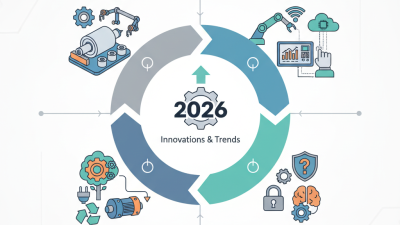
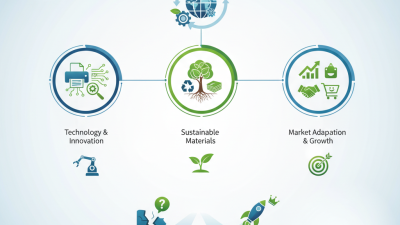
Recent innovations in slitting rewinding machinery technology are transforming the industry. Many machines now feature advanced automation. This reduces human error and increases efficiency. For example, real-time monitoring systems can track production metrics. This data helps optimize performance and identify potential issues. Businesses benefit from increased productivity and reduced downtime.
Another trend is the integration of smarter user interfaces. Touchscreen controls make operation easier for operators. Intuitive software allows for quick adjustments during production. Some machines even have built-in troubleshooting guides. These features can streamline operations, but they require training. If operators are not well-trained, mistakes can occur.
Sustainability is also influencing machine design. Newer models consume less energy and generate less waste. This is appealing for businesses aiming for eco-friendly practices. However, transitioning to new technology can be challenging. Companies may face initial costs and a learning curve. They must weigh the benefits against these potential obstacles.
 Contact immediately

 Contact Phone
 Contact Email