Contact immediately


In the rapidly evolving manufacturing industry, the demand for precision is paramount. The Automatic Tube Cutting Machine is a key player in achieving this goal. According to a recent report by the International Manufacturing Institute, the precision cutting market is projected to grow by 15% over the next five years. This growth highlights the importance of reliable machinery in enhancing production efficiency and quality.
Expert James Harrington, a leading figure in automation technology, remarked, "Investing in an Automatic Tube Cutting Machine can significantly minimize waste while improving accuracy." Such machines are engineered to handle various materials, ensuring consistent results. However, not all machines meet the specific needs of every project. Some models struggle with certain tube sizes or materials, leading to inefficiencies.
Choosing the right automatic cutter requires careful consideration. Factors include cost, ease of use, and compatibility with existing systems. Companies that invest in the wrong technology may face challenges down the line. However, with the right information, businesses can leverage these machines to enhance their cutting precision.

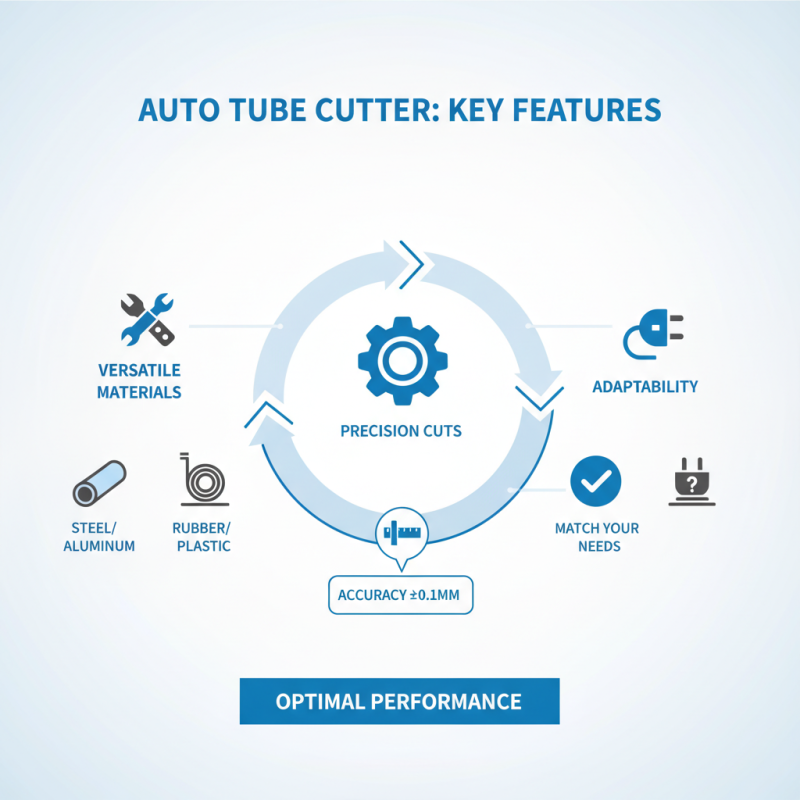
When choosing an automatic tube cutting machine, certain features are crucial for optimal performance. Precision is key. Look for machines that guarantee accurate cuts with minimal deviation. This ensures every piece meets specifications. Machines that can cut various materials offer flexibility for different projects. Always check the machine’s compatibility with your specific needs.
Another important feature is the machine’s speed. A faster cutting process can enhance productivity significantly. However, it's vital to balance speed with quality. Sometimes, high-speed cuts can lead to imperfections. Adjustable settings can help achieve the right balance. Additionally, consider the user interface. A simple, intuitive interface can greatly reduce the learning curve.
Safety features should never be overlooked. Automatic shut-off mechanisms and protective guards are essential for safe operation. It’s worth noting that even the best machine requires regular maintenance. Don't overlook this aspect. Neglecting care can lead to performance issues. Consistent checks can prevent breakdowns and extend the machine's life.
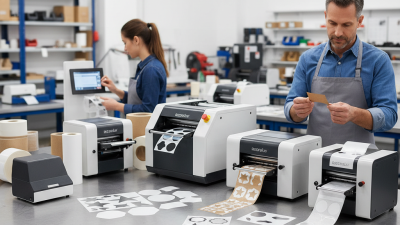
When it comes to tube cutting machines, precision is key. The industry demands high accuracy, especially in applications involving complex assemblies. A slight deviation in cuts can lead to failures. This underscores the importance of adhering to industry standards for precision.
Precision cutting standards often require machines to maintain a tolerance of ±0.5 mm. Achieving this level of accuracy can be challenging. Even top machines sometimes struggle with consistent cutting. Variations in tube material can also affect performance. Thick versus thin walls behave differently. Operators must be aware of these nuances to minimize errors.
User training is another critical aspect. Many users underestimate the learning curve. Familiarity with the machine's features is essential. Not all operators can maximize the machine's capabilities right away. Regular maintenance can also be overlooked. A well-maintained machine will perform better and yield more precise cuts. Small lapses affect the final product quality. Attention to detail is crucial in this field.
When it comes to automatic tube cutting machines, speed is a crucial factor. Different models offer various cutting speeds, impacting efficiency and precision. Some machines cut at high speeds, increasing productivity. Others may sacrifice speed for a cleaner cut. This raises questions: Is a faster speed always better? Not necessarily.
Precision cutting often demands slower speeds. A careful approach can yield more accurate results, especially with thicker materials. Some machines have settings to adjust cutting speeds based on the tube's thickness. This flexibility is essential. However, not all manufacturers provide clear guidelines. Users may find themselves experimenting to find the best speed.
In real-world applications, operators sometimes notice discrepancies in speed performance. A machine might perform well on one material, but struggle with another. Speed varies depending on the operator's skills and experience. It's important for users to analyze cutting outcomes. Reflecting on the relationship between speed and quality can lead to better decision-making in choosing a machine.
Choosing the right tube cutting machine hinges on material compatibility.
Various materials, like stainless steel and aluminum, offer different challenges. For instance, stainless steel is tough. It can create burrs, affecting precision. In contrast, aluminum cuts easier but requires proper tooling to avoid dents.
Industry reports reveal that improper material matching can lead to 30% less efficiency. This inefficiency often stems from the wrong blade settings or techniques. Many operators overlook these details. They might opt for a universal blade, but this can result in excessive wear or damage. Such mistakes can ramp up production costs significantly.
Automated machines vary in their suitability for different materials. Some excel at cutting thin-walled tubes, while others handle thicker materials better. However, not all machines cater to a broad range of materials effectively.
Understanding specific features, like cutting speed and maximum wall thickness, can guide operators in making informed decisions. Many make the mistake of assuming all machines are equal, leading to unsatisfactory results. Selecting the right machine is crucial for achieving optimal productivity.
Proper maintenance is crucial for the longevity of automatic tube cutting machines. Regular inspections can identify early signs of wear or damage. According to industry reports, nearly 30% of machine failures stem from neglecting basic maintenance practices. Operators should clean machines after each use and check for loose parts or leaks. This simple routine can extend the machine's life significantly.
Lubrication is another key factor. Using the right lubricant can reduce friction and wear. Maintenance logs should track lubrication schedules and part replacements. A study found that companies that adhere to recommended maintenance practices increase productivity by 25%. Operators should also be vigilant about maintaining the cutting blades. Dull blades not only compromise precision but also place extra stress on the machine.
Training personnel is often overlooked. Well-trained staff ensure that machines are used properly and maintained according to best practices. However, many facilities neglect this important aspect. This gap can lead to costly repairs and downtime. Mistakes happen; it's important to learn from them to improve future operations. Investing in training pays off in the long run, both in performance and machine lifespan.
| Machine Model | Cutting Capacity (mm) | Cutting Speed (m/min) | Power (kW) | Weight (kg) | Maintenance Frequency |
|---|---|---|---|---|---|
| Model A | 20 - 60 | 10 | 3 | 150 | Monthly |
| Model B | 15 - 50 | 12 | 4 | 120 | Quarterly |
| Model C | 25 - 70 | 8 | 5 | 180 | Bi-Monthly |
| Model D | 10 - 40 | 15 | 2.5 | 100 | Monthly |
| Model E | 30 - 80 | 9 | 6 | 200 | Quarterly |
| Model F | 5 - 30 | 18 | 1.5 | 80 | Monthly |
| Model G | 25 - 75 | 11 | 4.5 | 170 | Bi-Monthly |
| Model H | 20 - 65 | 13 | 3.5 | 160 | Monthly |
| Model I | 10 - 50 | 14 | 2 | 90 | Quarterly |
| Model J | 35 - 90 | 7 | 7 | 220 | Bi-Monthly |