Top 10 Best Flexo Label Printing Machines for High Quality Labels?
In the world of packaging and printing, the choice of equipment is critical. As an industry expert, John Smith, a renowned figure in flexographic printing, emphasizes, “The right Flexo Label Printing Machine can elevate brand visibility.” This statement resonates deeply in today’s competitive market, where high-quality labels are essential for capturing consumer attention.
Flexo label printers are designed for efficiency and precision. They deliver vibrant colors and intricate designs on various substrates. Choosing the best machine, however, can be challenging. Each model has unique features that cater to different needs. Understanding these attributes is crucial for making an informed decision.
Some machines may promise high speeds but compromise on quality. Others might excel in detail, yet fall short in volume output. Balancing these factors is not easy. Therefore, investing time to research and evaluate these ten top machines is essential. A well-chosen Flexo Label Printing Machine can make a significant difference in production outcomes.

Overview of Flexo Label Printing Technology
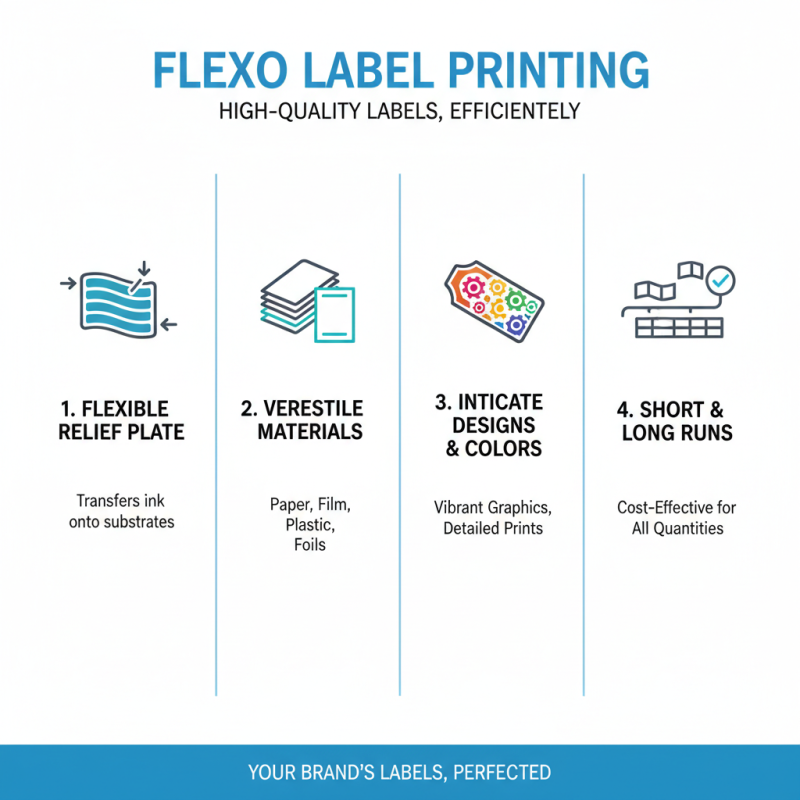
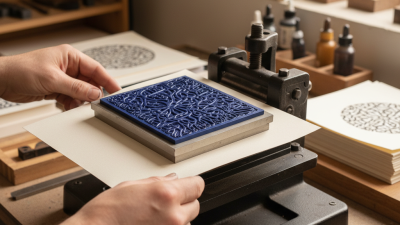
Flexo label printing technology is widely recognized for its ability to produce high-quality labels efficiently. It relies on a flexible relief plate to transfer ink onto various substrates. This process allows for intricate designs and vibrant colors. It is suitable for both short and long runs. The machine can print on a variety of materials, including plastic, paper, and film.
However, achieving consistent quality can be challenging. Operators need to manage machine settings carefully to avoid issues like smudging or misalignment. Regular maintenance is crucial. Ink viscosity and temperature can significantly affect the print outcome. Even a slight variation can lead to noticeable defects.
Flexo printing also faces competition from digital methods. Digital printers offer faster setup times and are versatile for shorter runs. However, flexo still shines in volume production and color fidelity. It holds a strong place in industries needing durability and high quality. Understanding the nuances of flexo technology is essential for anyone looking to maximize their label printing capabilities.
Key Features to Consider in Flexo Label Printing Machines
When selecting a flexo label printing machine, several key features can significantly impact your production quality. Print resolution is critical. Machines that support higher resolutions produce sharper images and clearer text. Look for models that offer adjustable settings. This allows for precise printing on various label materials.
Another important aspect is speed. A machine that operates efficiently can drastically reduce production time. However, speed shouldn't compromise quality. Some machines may run quickly but produce subpar prints; finding a balance is essential. Additionally, user-friendliness is vital. A complex interface can slow down production and frustrate operators. Choose equipment that is intuitive and easy to operate.
Consider the range of applications. Flexo printing should adapt to different media types, from paper to plastic. Machines designed for versatility can expand your capabilities. Maintenance also plays a significant role. Regular upkeep is necessary for consistent print quality. Some machines require more frequent servicing, which can be a drawback. Overall, these factors help in making a well-informed decision.
Top Brands and Their Innovations in Flexo Printing
The world of flexo printing is constantly evolving. Innovators in the industry focus on enhancing quality and efficiency. Many machines now feature advanced technologies. These advancements help produce vibrant colors and sharp images. Users often seek flexibility in their printing processes. This is essential for meeting various demands.
Brands are investing in automation. Automated systems can streamline production and reduce labor costs. This might sound ideal, but it’s not without challenges. Seamless integration can be difficult. Companies must train staff, which requires time and resources. Moreover, the initial costs for new technology can be high. Some businesses struggle to justify these expenses.
In the pursuit of high-quality labels, sustainability is becoming crucial. Eco-friendly inks and materials are gaining popularity. However, not every company embraces these changes. Traditional methods still have their place, albeit with environmental concerns. Evaluating these shifts is necessary for future growth. Balancing innovation with practicality remains a key challenge for all in the flexo printing space.
Comparative Analysis of the Top 10 Flexo Label Printers
When exploring the top flexo label printing machines, a comparative analysis reveals significant insights. Flexographic printing technology has evolved rapidly, emphasizing speed and quality. According to a recent industry report, the global flexo printing market is expected to reach 10 billion USD by 2025. This growth highlights the importance of efficient machines capable of producing high-quality labels.
One of the key factors to consider is print speed. Machines can vary greatly, with some reaching speeds of over 400 meters per minute. This can impact overall productivity, especially in high-demand environments. Consistent print quality is another critical aspect. Advanced color management systems now ensure that labels have uniform color reproduction, meeting strict brand guidelines.
Tip: Regular maintenance of your flexo printing machine can prevent many common issues. This includes checking the anilox rollers and keeping them clean.
Additionally, usability matters. Machines that are difficult to operate may cause delays. An intuitive interface can significantly reduce training time for operators.
Tip: Invest in machines with customizable features. This will allow you to adapt to different label materials and production requirements.
While many machines boast impressive features, it's essential to reflect on your specific needs. Consider factors like production volume and label complexity before making a decision. This thoughtful approach will help maximize your investment in flexographic printing technology.
Top 10 Best Flexo Label Printing Machines for High Quality Labels
Maintenance and Support for Flexo Label Printing Machines
Maintenance is crucial for flexo label printing machines. Regular checks help ensure optimal performance. Operators must inspect the anilox rollers frequently. Accumulated ink can cause inconsistencies in printing quality. Cleaning these rollers can mitigate issues. It’s a small task that prevents bigger problems down the line.
Furthermore, training staff on routine maintenance is important. Unfamiliarity can lead to mistakes. Operators should know how to troubleshoot common issues. Basic knowledge reduces downtime and enhances productivity. It’s not just about fixing problems when they arise. It’s about fostering a proactive environment.
Support from manufacturers can also make a difference. Responsive customer service enhances user experience. However, not all manufacturers provide adequate support. This gap can lead to frustration. Effective communication is key to resolving issues quickly. It's essential to establish a strong relationship with providers. Collaboration can improve overall satisfaction with the equipment.
Top 10 Best Flexo Label Printing Machines for High Quality Labels
| Model |
Max Printing Width |
Print Speed (m/min) |
Number of Colors |
Maintenance Frequency |
Support Availability |
| Model A |
330 mm |
150 |
8 |
Every 6 Months |
24/7 |
| Model B |
410 mm |
100 |
6 |
Every 4 Months |
Business Hours |
| Model C |
250 mm |
200 |
5 |
Every 3 Months |
Next-Day |
| Model D |
330 mm |
120 |
7 |
Every 5 Months |
Weekend Support |
| Model E |
450 mm |
90 |
9 |
Every 6 Months |
On-Demand |
| Model F |
510 mm |
110 |
5 |
Every 3 Months |
Weekday Hours |
| Model G |
300 mm |
130 |
6 |
Every 4 Months |
24/7 |
| Model H |
350 mm |
140 |
8 |
Every 5 Months |
Business Hours |
| Model I |
400 mm |
160 |
7 |
Every 3 Months |
Next-Day |
| Model J |
450 mm |
200 |
9 |
Every 4 Months |
Weekday Hours |

 Contact immediately

 Contact Phone
 Contact Email