China Top Die Cut Label Printer Reviews and Buying Guide?
The demand for die cut label printers is steadily rising in various industries. According to a recent market report, the global label printer market is expected to reach $7 billion by 2025, driven by the growing need for customized labeling solutions. Businesses are seeking designs that not only enhance branding but also improve efficiency in production.
In China, die cut label printers are revolutionizing packaging and labeling. They offer precision, speed, and versatility. Manufacturers are focusing on advanced technologies to create high-quality, durable labels. However, not all products on the market meet the industry's rigorous standards. Some devices maylack reliability or have complex user interfaces, leading to frustration among operators.
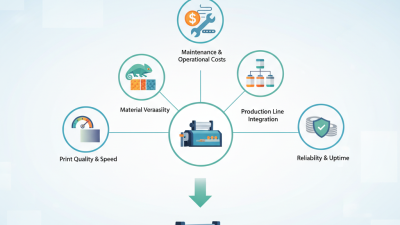
Investing in the right die cut label printer is crucial for success. Buyers must consider factors such as print quality, speed, and ease of use. Understanding the capabilities and limitations of each model can be challenging. Making an informed choice ensures that businesses can avoid costly mistakes and meet market demands effectively.
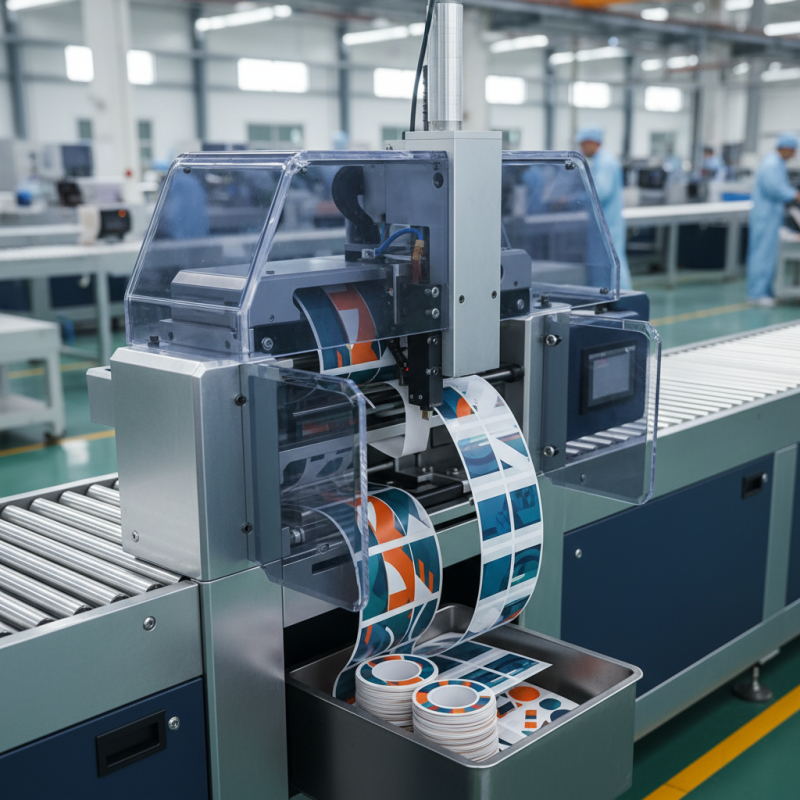
Overview of Die Cut Label Printers in China
The die cut label printer market in China has shown remarkable growth in recent years. According to a recent industry report, the market is expected to reach a valuation of over $1 billion by 2025. This growth is fueled by increasing demand for customized labels in various sectors such as food and beverage, cosmetics, and logistics. Businesses are realizing the importance of high-quality labeling for branding and product differentiation.
One key factor to consider when purchasing a die cut label printer is the printing speed. Many models now offer speeds of up to 60 meters per minute, which significantly boosts productivity. Additionally, the resolution of the print should not be overlooked; higher DPI values provide clearer, more professional-looking labels.
Tips: Look for printers that support multiple media types. The flexibility in materials can enhance your labeling options. Also, consider after-sales support and maintenance options. Some printers require frequent adjustments and regular maintenance. It’s wise to invest in equipment that offers comprehensive support.
Despite these advancements, there are still challenges in the market. Manufacturers face pressure to innovate while keeping costs low. As companies experiment with new label materials, compatibility issues can arise. This can lead to printing errors that waste time and resources. Balancing cost and quality remains a persistent issue in the industry.
China Top Die Cut Label Printer Reviews and Buying Guide
| Model |
Max Print Width (mm) |
Print Speed (m/min) |
Resolution (dpi) |
Technology |
Price Range (USD) |
| Model A |
210 |
50 |
1200 |
Digital |
3000 - 4000 |
| Model B |
250 |
60 |
1440 |
Flexographic |
2500 - 3500 |
| Model C |
200 |
70 |
600 |
Laser |
4000 - 5000 |
| Model D |
180 |
40 |
300 |
Thermal Transfer |
2000 - 2500 |
| Model E |
220 |
55 |
1200 |
Inkjet |
3500 - 4500 |
Key Features to Look for in Die Cut Label Printers
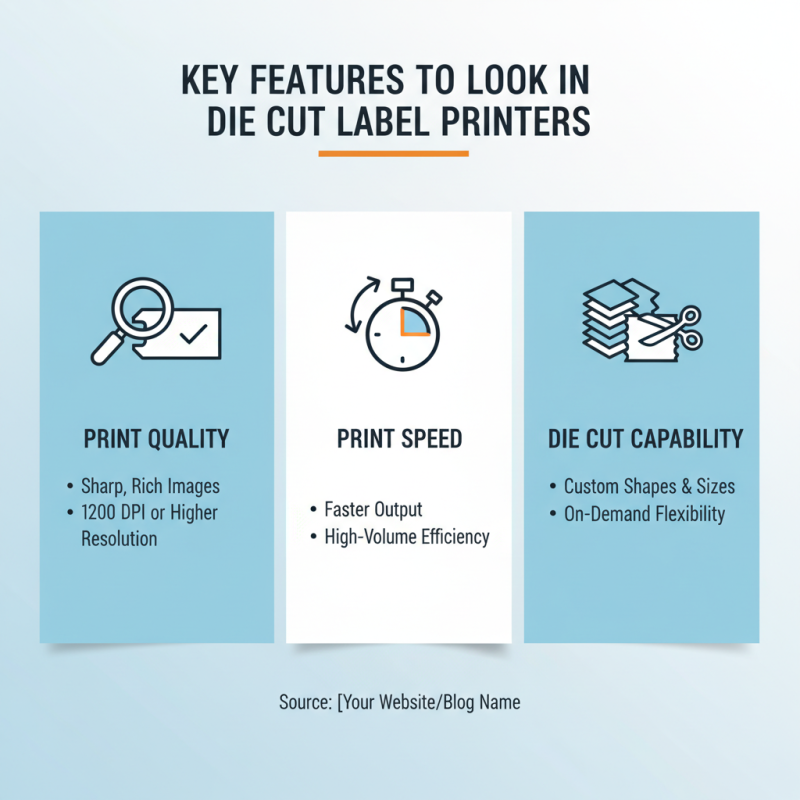
When searching for the right die cut label printer, consider several key features. Print quality is crucial. Look for printers that produce sharp, vibrant images. The resolution should ideally be 1200 dpi or higher for professional results. Additionally, check the printer's speed. A faster printer saves time, especially during high-volume printing.
Another important aspect is the media compatibility. Ensure the printer can handle various materials, such as paper, vinyl, or polyester. This versatility allows for more creative label designs. Easy-to-use software can also enhance your printing experience. User-friendly interfaces simplify the design process.
Lastly, consider the machine's durability. Investing in a robust printer can save money in the long run. Some printers may have complex features that complicate operations. This could lead to frustration. Balancing luxury features with ease of use is essential. Make sure to read reviews to gauge real user experiences.
Top Brands for Die Cut Label Printers in China
When considering die cut label printers in China, several top brands stand out. These brands focus on innovative technology and user-friendly designs. They cater to a range of businesses, from startups to large enterprises. The quality of prints and the efficiency of operation are essential factors to evaluate.
A common tip is to assess the machine's speed and print resolution. High speed increases productivity, but clarity is crucial for professional labels. Look for printers that allow you to adjust settings easily. Test samples from different brands before making a decision. This ensures the labels meet your standards.
Another aspect to consider is customer support. Reliable brands should offer excellent after-sales service. Having easy access to technical assistance can save you time and frustration. Don't overlook warranty options either. A solid warranty can indicate confidence in the product.
Evaluate your needs carefully. Identify the volume and types of labels you will produce. Not all printers are adaptable for special materials or large orders. Reflecting on your specific requirements can lead you to a suitable choice.
Comparison of Popular Die Cut Label Printers
When selecting a die cut label printer, features such as speed, precision, and ease of use are critical. In recent industry reports, it was noted that nearly 70% of businesses prioritize printing speed and efficiency. Popular models often deliver print speeds of up to 200 mm per second, making them suitable for high-volume tasks. The average resolution ranges from 300 to 1200 DPI, with higher DPI offering better detail for intricate designs.
Cost is another significant factor. According to recent statistics, budget-conscious buyers find printers ranging from $300 to $1,500 meet their needs without sacrificing quality. However, less expensive models may compromise on durability or advanced features. Many users report that lower initial investment sometimes leads to higher operational costs, primarily due to maintenance issues or consumable replacements. It's essential to consider long-term value rather than just the upfront price.
Ease of integration is also vital for businesses. Reports indicate that 40% of users faced challenges connecting printers with existing software systems. A user-friendly interface can drastically reduce setup time and training requirements. Many printers offer customizable features but can become overwhelming. Balancing complexity with user experience is crucial for maximizing productivity and minimizing frustration.
Buying Considerations and Tips for Consumers
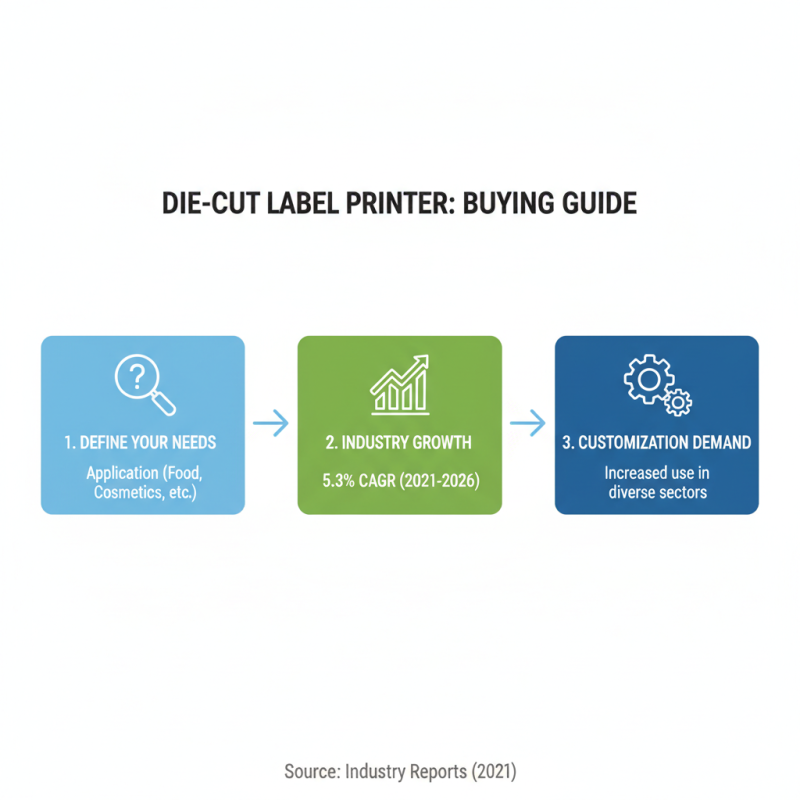
When considering a die cut label printer, understanding your requirements is crucial. The label printing industry is growing, with a projected CAGR of 5.3% from 2021 to 2026, according to industry reports. This growth reflects the increasing demand for custom labels across various sectors, including food, beverage, and cosmetics. Therefore, identifying your specific application can guide your choice.
Users should prioritize key features such as print speed and resolution. Many printers offer speeds ranging from 4 to 12 inches per second. However, not all high-speed printers provide exceptional quality. Always assess the output quality while balancing speed to avoid compromising your product's aesthetic appeal. It is essential to analyze the printer's compatibility with different label materials, as not all machines handle every substrate well.
Also, consider total cost of ownership. Some printers are affordable upfront but can incur high maintenance costs. Research shows that maintenance and ink costs can add up to 15% of the initial purchase price annually. Reflect on whether the initial investment aligns with your long-term business strategy. While personal reviews can guide you, be cautious as they may not provide a complete picture.

 Contact immediately

 Contact Phone
 Contact Email