2026 How to Choose the Best Rewinding Machine for Your Business Needs?
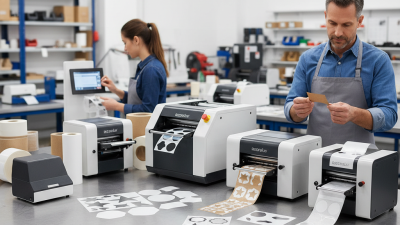
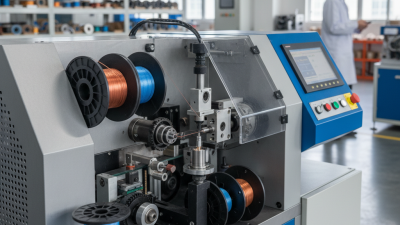
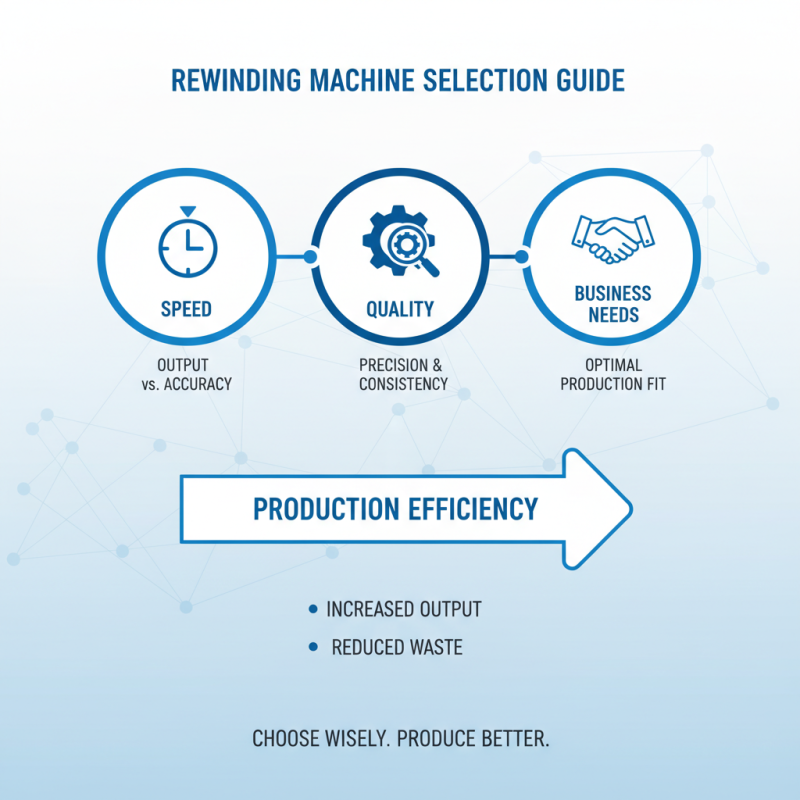
Choosing the right rewinding machine is crucial for your business growth. This equipment plays a significant role in packaging and production lines. A suitable rewinding machine can enhance efficiency and reduce waste, impacting your bottom line.
When selecting a rewinding machine, consider your specific needs. Analyze your production volume and the materials you work with. Are you focusing on paper, film, or foil? Each material may require different machine features. Additionally, think about the machine's capacity. A smaller operation might not need a high-capacity model. Reflect on your current setup—does it have room for expansion?
Pricing is also a key point. A cheaper machine may seem appealing, but will it meet your demands? Investing in quality equipment usually pays off in the long run. Keep in mind that not all machines are created equal. Read reviews and seek feedback from other users. A perfect choice may take time and research to identify.
Understanding Your Business Requirements for a Rewinding Machine
When choosing a rewinding machine, understanding your business requirements is crucial.
Identify your production volume needs. Are you running small batches or large-scale operations?
The machine's capacity must align with your operational demands.
Consider the types of materials you handle.
Different machines suit various materials, such as film or paper. Ensuring compatibility increases efficiency.
Think about the technical features you need. Some machines offer advanced controls for more precision.
Others may have simpler interfaces. Your team's experience with technology can influence this decision.
If your staff is less tech-savvy, a user-friendly model may be better.
Don’t overlook maintenance requirements, either. Machines that are hard to maintain can disrupt workflow.
Budget is also a significant factor.
Higher-priced models may offer better durability and efficiency but might not suit all businesses.
Weigh the cost against the potential return on investment.
If you're unsure, consult with industry experts. Their insights can guide your choice.
It’s okay to not have all the answers. Reflect on your specific needs to make a well-informed decision.
Types of Rewinding Machines and Their Applications in Different Industries
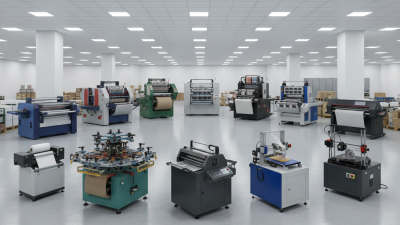
When selecting a rewinding machine, consider the specific applications across various industries. Common types include adhesive, film, and paper rewinding machines. For instance, adhesive rewinding machines are essential in packaging. According to a recent industry report, the global adhesive market is expected to reach $55 billion by 2025. This indicates a growing demand for reliable and efficient rewinding solutions.
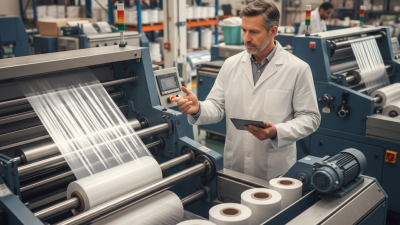
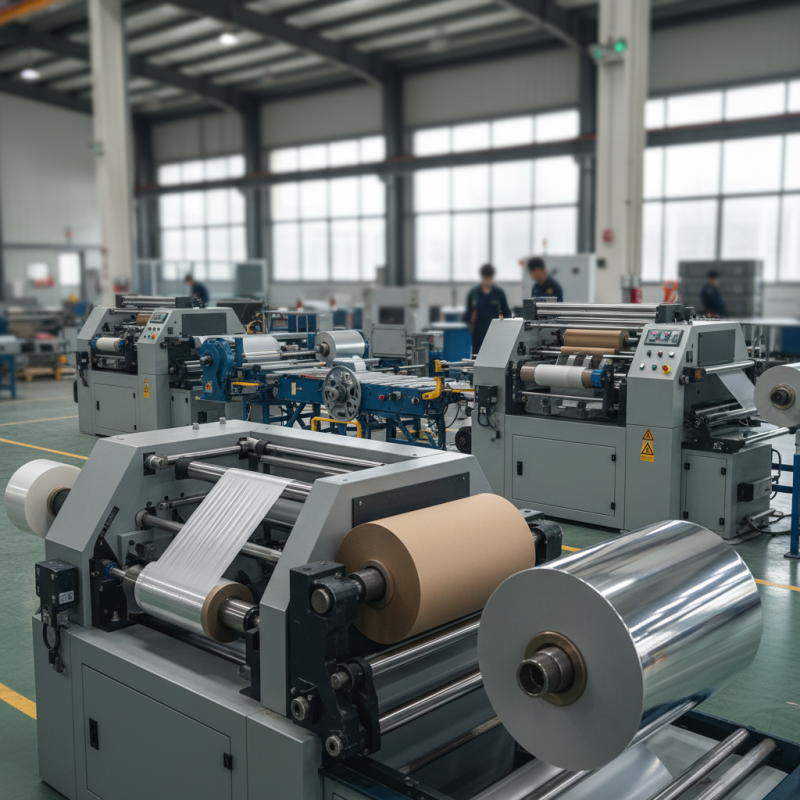
Different industries utilize these machines differently. The film industry relies heavily on precision and speed, often using high-speed roller systems. On the other hand, the paper industry emphasizes durability and strength. For example, heavy-duty paper rewinding machines are crucial for producing large rolls efficiently.
Tips: Always check machine specifications. Compatibility with materials is vital. The wrong fit can lead to equipment failure. Consider maintenance needs as well; high maintenance can increase costs significantly. Remember that not all machines offer the same efficiency, which can affect overall production.
Evaluating the Cost and ROI of Rewinding Machines for Your Business
When evaluating the cost of rewinding machines, it's essential to consider various factors. A well-chosen machine can increase efficiency. However, some options may seem affordable initially but could lead to higher operational costs later. Understand the specifications and features that are crucial for your business needs.
Calculating the return on investment (ROI) is equally important. Take note of the time savings and improved productivity a rewinding machine can provide. An expensive machine might deliver better quality, reducing waste in the long run. Keep in mind that maintenance costs can also impact your overall budget. A low-cost machine may break down more often, which hinders production.
Investing in a rewinding machine is not just about the upfront cost. Analyze how it fits into your business strategy. Gather feedback from operators about usability. A machine that’s hard to use may require more training, leading to additional expenses. Look closely at all factors before making your decision.
2026 How to Choose the Best Rewinding Machine for Your Business Needs? - Evaluating the Cost and ROI of Rewinding Machines for Your Business
| Machine Type |
Initial Cost ($) |
Operating Cost (Monthly) ($) |
Expected Lifespan (Years) |
ROI (%) |
| Standard Rewinding Machine |
5,000 |
300 |
10 |
150% |
| High-Speed Rewinding Machine |
10,000 |
500 |
8 |
130% |
| Automatic Rewinding Machine |
15,000 |
700 |
12 |
180% |
| Customized Rewinding Machine |
20,000 |
800 |
15 |
200% |
Maintenance and Support: Ensuring Longevity of Your Rewinding Machine
When investing in a rewinding machine, maintenance is key. Regular upkeep ensures the machine runs smoothly and lasts longer. A neglected rewinding machine can lead to delays and increased costs. Perform routine checks to identify any wear and tear. Dust and debris can affect performance, so keep the working environment clean.
Tips: Schedule maintenance at least once every six months. Replace worn parts promptly. This reduces the risk of breakdowns.
Don’t overlook the importance of support. Reliable customer service is crucial. You may encounter issues that require immediate assistance. Check if the supplier offers training for your staff. Proper training minimizes user errors and upkeep costs.
Tips: Document all maintenance tasks. Create a checklist to ensure nothing is overlooked. This creates a culture of accountability.
Always evaluate the machine’s performance. Are there consistent issues? These reflections can guide future purchases or upgrades. Maintenance is not just a task; it’s an ongoing commitment to your equipment's efficiency.

 Contact immediately

 Contact Phone
 Contact Email