Contact immediately


Choosing an Automatic Winding Machine in 2026 requires more than comparing prices, spindle counts, or brochure speeds. Copper wire may look uniform on a reel, yet tiny tension changes can create uneven layers, damaged insulation, and rejected motors. The decision should connect machine capability with your real production conditions.
Industry reports show why this choice matters. The International Energy Agency reported over 17 million electric cars sold worldwide in 2024. Each motor increases demand for consistent, repeatable coil production. The International Federation of Robotics recorded 541,302 new industrial robots installed globally in 2023, confirming the wider shift toward automated manufacturing. These figures do not guarantee a return on investment. They do show stronger pressure for measurable productivity.
Industry 4.0 strategist Henrik von Scheel has said, “Industry 4.0 is about the transformation of products, processes, and people.” That principle applies directly to winding equipment. A capable Automatic Winding Machine should support recipe storage, tension monitoring, traceability, and quick changeovers. Check the details.
Look closely at wire diameter ranges, coil geometry, tooling access, servo accuracy, and software integration. Ask for sample winding trials using your actual wire and bobbin. A machine that performs well in a demonstration may struggle with your thinnest enamel wire or tightest slot fill. That possibility is easy to overlook.
Reports from the IEA and IFR provide useful market context, but they cannot select a machine for your factory. Production volume, operator skill, maintenance support, and future product changes still decide the outcome. The best purchase is not always the fastest model. It is the one that delivers stable quality beside a real production line.
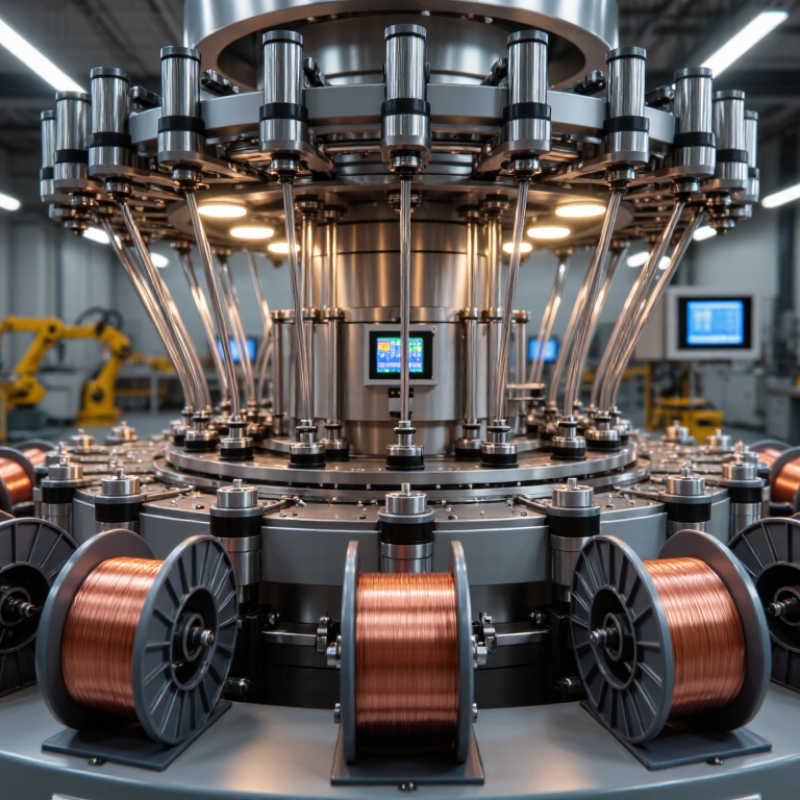
Choosing an automatic winding machine in 2026 should begin with a clear product definition. Identify the wire or material type, diameter range, insulation, coil shape, and finished dimensions. Record the required winding direction, layer pattern, wire tension, and allowable error. Small details matter. A machine designed for thin copper wire may perform poorly with heavier conductors or fragile insulation.
Your winding objective must be measurable. Decide whether you need higher output, tighter placement, fewer operators, or more consistent quality. Specify target speed, daily volume, changeover time, and acceptable scrap rates. Also define how coils will be checked. Useful criteria include resistance, outer diameter, turns count, tension marks, and visual alignment. Speed is not everything. Excessive acceleration can damage insulation and create uneven layers.
From practical machine evaluations, sample testing is more reliable than catalog claims. Prepare several real production samples, not ideal laboratory materials. Observe startup behavior, wire breakage, tension stability, tooling adjustments, and operator workload. Ask whether the control system can store recipes and record production data. That supports traceability and repeatable results. I have seen teams choose a machine by maximum revolutions alone, then struggle with poor winding accuracy. That assumption can be wrong. Leave room for future products, but avoid paying for capabilities you cannot use. Your requirements should guide the machine, not the other way around.
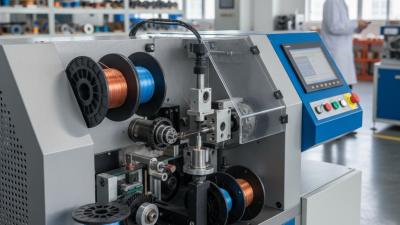
Choosing an automatic winding machine starts with your product, not the machine catalogue. A single-spindle machine offers flexibility for varied coil sizes and frequent changeovers. Multi-spindle equipment suits stable, high-volume production with repeated specifications. Needle-winding systems can handle compact components and controlled wire placement. Your wire diameter, winding width, tension range, and daily output should guide the comparison.
Automation levels also differ sharply. Entry-level automatic machines may control speed and stopping positions, but operators still load parts and adjust settings. Advanced systems can manage wire tension, cutting, terminal positioning, recipe storage, and inspection data. Useful features include servo-driven movement, tension sensors, quick tooling changes, alarm records, and guarded access.
Do not pay for every feature. A sophisticated inspection module may add little value if your process already has reliable manual verification.
Tips: Request a sample test using your actual wire and components. Measure setup time, winding accuracy, scrap, noise, and operator effort. Ask how quickly a trained technician can correct a broken wire. Check whether recipes can be edited safely and backed up. Real production trials reveal weaknesses that brochures hide. I once saw a fast machine lose its advantage because tooling changes took too long. That detail is easy to overlook. Choose the automation level your team can maintain, not the most impressive specification.
How to Choose an Automatic Winding Machine in 2026?
Choosing an automatic winding machine in 2026 starts with measurable production needs, not attractive catalog claims. In practical factory trials, speed often looks impressive until wire tension, coil size, and changeover time are measured together. Ask for output per hour under your actual settings. A machine rated at 1,200 coils may produce fewer usable coils with frequent stoppages. Speed must serve stable production.
Precision depends on winding tension, traverse control, spindle alignment, and repeatable software settings. Request sample coils and inspect wire spacing under magnification. Measure resistance, layer height, and end-position accuracy across several batches. One perfect sample proves little. Compatibility also matters. Confirm wire diameter range, bobbin dimensions, insulation requirements, tooling, power supply, and data interfaces. A machine may accept your material but still require costly custom fixtures. I have seen overlooked tooling delay installation more than expected. That detail is easy to miss.
Tips: Build a small acceptance test before purchase. Run your most difficult coil for a full shift. Record speed, rejects, setup minutes, noise, and operator adjustments. Leave room for human error; real production is less tidy than demonstrations. Compare usable output, not headline speed. Ask how calibration, spare parts, training, and service response will be handled. If capacity is near its limit, choose a larger margin. But do not pay for unused speed without evidence.
Compare the four core selection factors using a normalized 0–100 evaluation index. Higher values indicate stronger suitability for high-volume, repeatable production.
Speed supports shorter cycle times, precision reduces winding variation, compatibility improves application flexibility, and production capacity determines sustained output. Actual requirements should be validated against wire size, coil geometry, cycle time, and quality tolerances.
When choosing an automatic winding machine in 2026, assess its software before counting speed. The control system should manage recipes, access rights, alarm history, production data, and traceability. It should also export data through standard interfaces. According to Deloitte’s 2023 Smart Manufacturing survey, 86% of manufacturing leaders expect smart manufacturing to drive competitiveness within five years. That forecast makes software support a purchasing issue, not an optional upgrade. Ask suppliers to demonstrate a recipe change, alarm reset, and data export. Test it live.
Safety systems deserve equal attention. Guards, door interlocks, emergency stops, and safe-torque functions should work together. The risk assessment should identify entanglement, wire breakage, sharp edges, and unexpected restart hazards. ISO 12100 and ISO 13849 provide useful references for machine risk reduction and control reliability. A safety circuit that works only during a presentation is not acceptable. Do not guess.
Maintenance planning should include sensor access, lubrication points, spare-part lists, remote diagnostics, and clear fault codes. McKinsey analysis indicates that predictive maintenance can reduce downtime by 30–50% and maintenance costs by 10–40%. Those figures are not guaranteed for every winding line. Real results depend on data quality and disciplined follow-up. Operator training must cover setup, cleaning, lockout procedures, alarm interpretation, and first-response limits. The World Economic Forum’s 2023 report found that 44% of workers’ skills could be disrupted by 2027. Short videos help, but supervised practice exposes weaknesses faster. A signed training record is useful; observed competence is better.
| Assessment Area | Evaluation Dimension | What to Verify Before Purchase | Practical Acceptance Benchmark | Weight | Score (1–5) |
|---|---|---|---|---|---|
| Software & Controls | Recipe and parameter management | Check whether tension, speed, traverse ratio, package dimensions, acceleration, and stop conditions can be saved as controlled recipes. | At least 50 user-defined recipes, role-based editing, revision history, and protection against unauthorized parameter changes. | 8% | ____ |
| Traceability and production records | Review batch identification, operator login, alarm history, quality results, and export options. | Automatic recording of batch, recipe version, timestamp, alarms, downtime, and operator ID; data export available in a standard format such as CSV. | 7% | ____ | |
| Human-machine interface | Test screen readability, alarm messages, language selection, user permissions, and recovery guidance. | Clear text-based alarms with probable causes and corrective actions; critical functions require authenticated access. | 5% | ____ | |
| Connectivity and system integration | Confirm compatibility with plant networks, production planning systems, quality systems, and backup procedures. | Documented network interface, secure user access, scheduled backups, restore testing, and clearly defined ownership of machine data. | 5% | ____ | |
| Safety Systems | Risk assessment and safeguarding | Request the machine risk assessment and verify guards, interlocked doors, fixed barriers, and access protection around rotating parts. | Risk assessment aligned with ISO 12100 principles; hazards are documented and protective measures are validated before acceptance. | 9% | ____ |
| Emergency stop and safety control system | Inspect emergency-stop devices, safety relays or safety controllers, reset logic, and prevention of unexpected restart. | Safety functions are documented, validated, and designed according to the required risk level under ISO 13849-1 or an equivalent functional-safety method. | 8% | ____ | |
| Electrical and energy isolation | Check electrical schematics, protective bonding, overcurrent protection, lockout points, and stored pneumatic or mechanical energy. | Electrical equipment follows IEC 60204-1 principles; isolation points are clearly labeled and accessible for lockout/tagout procedures. | 7% | ____ | |
| Safety validation and documentation | Review conformity documents, inspection records, safety-function test procedures, and operator safety instructions. | Complete safety manual, test records, wiring diagrams, residual-risk information, and documented acceptance tests supplied before installation. | 6% | ____ | |
| Maintenance | Preventive maintenance accessibility | Observe access to tension devices, guides, sensors, filters, lubrication points, electrical cabinets, and wear components. | Routine inspection points are reachable without dismantling major assemblies; maintenance tasks are listed by daily, weekly, monthly, and annual intervals. | 7% | ____ |
| Diagnostics and troubleshooting | Simulate common faults and assess diagnostic messages, fault history, electrical drawings, and recovery instructions. | Fault codes identify the affected circuit or component, alarm history is retained, and troubleshooting procedures are available in the service documentation. | 7% | ____ | |
| Spare parts and service support | Check recommended spare-parts lists, component identification, lead times, remote support, and service coverage. | Critical spare parts are identified, part numbers are documented, and support response time, software backup, and service responsibilities are contractually defined. | 6% | ____ | |
| Operator Training | Initial operator qualification | Verify training content for setup, recipe selection, threading, safe operation, quality checks, alarm response, and shutdown. | Use a documented training plan with classroom and hands-on practice; require demonstrated competency before independent operation. | 5% | ____ |
| Maintenance and safety training | Confirm that authorized personnel receive training on inspection, cleaning, energy isolation, guard use, and emergency procedures. | Separate operator and maintenance curricula; practical verification is recorded and refresher training is scheduled after changes or incidents. | 5% | ____ | |
| Training materials and skill retention | Review manuals, work instructions, quick-reference guides, multilingual content, and competency records. | Current controlled documents are available at the machine; training records include employee, date, trainer, machine version, and assessment result. | 5% | ____ | |
| Weighted evaluation formula: each category score ÷ 5 × category weight. Recommended decision rule: proceed at 80% or above, conduct corrective-action review from 65% to 79%, and do not approve below 65%. | 100% | Total: ____% | |||
| Scoring guide: 1 = unacceptable or undocumented; 2 = major gaps; 3 = acceptable with minor corrective actions; 4 = strong and documented; 5 = fully demonstrated, validated, and supported by objective evidence. Standards and legal requirements should be confirmed for the machine's installation country and application. | |||||
The quoted price rarely reflects the real investment. Build a five-year cost sheet before comparing suppliers. Include tooling, installation, operator training, electricity, software, maintenance, and spare parts. Calculate the cost of rejected coils and production delays. Downtime costs more. A machine that saves ten minutes per setup may recover its higher purchase price quickly. However, ask for written assumptions behind every supplier estimate. Cost models can look precise while hiding optimistic production rates.
Supplier reliability deserves the same attention as machine specifications. Request customer references from facilities with similar wire sizes, coil designs, and output targets. Ask how quickly technical support responds during an evening stoppage. Check spare-parts availability, service coverage, warranty exclusions, and software update policies. A factory acceptance test should measure tension stability, winding accuracy, changeover time, and safety functions. Insist on recorded results. Verbal promises are easy to misunderstand.
Long-term value depends on flexibility, not only speed. Choose a platform that can handle future products, reasonable tooling changes, and traceable production data. Inspect the control cabinet, cable routing, and access to wear components. Small details matter. During machine evaluations, teams often focus on cycle time and overlook cleaning access. That mistake becomes expensive after several years. I would also challenge any forecast claiming perfect uptime. Real factories face material variation, learning curves, and occasional faults. A dependable machine leaves room for those realities.