How to Choose the Best Slitting Rewinding Machine for Your Needs?
Choosing the right Slitting Rewinding Machine is crucial for businesses in the packaging industry. The global market for these machines is expected to grow significantly, reaching $1.2 billion by 2027. This rise is driven by increasing demand for flexible packaging materials. According to industry expert, John Smith, "Selecting the right slitting technology can enhance productivity and reduce waste."
When considering a Slitting Rewinding Machine, several factors come into play. Machine efficiency, material compatibility, and service options are critical. Your choice can directly impact production quality. Companies often overlook nuances like blade types or rewind tensions, which can lead to inefficiencies.
Investing in a high-quality Slitting Rewinding Machine might seem straightforward. However, it's essential to reflect on the unique needs of your operation. Understand the workload, types of materials processed, and long-term goals. A well-informed choice can result in better performance, but the wrong one might hinder your production flow.
Understanding the Basics of Slitting Rewinding Machines
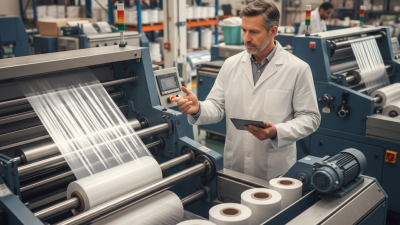
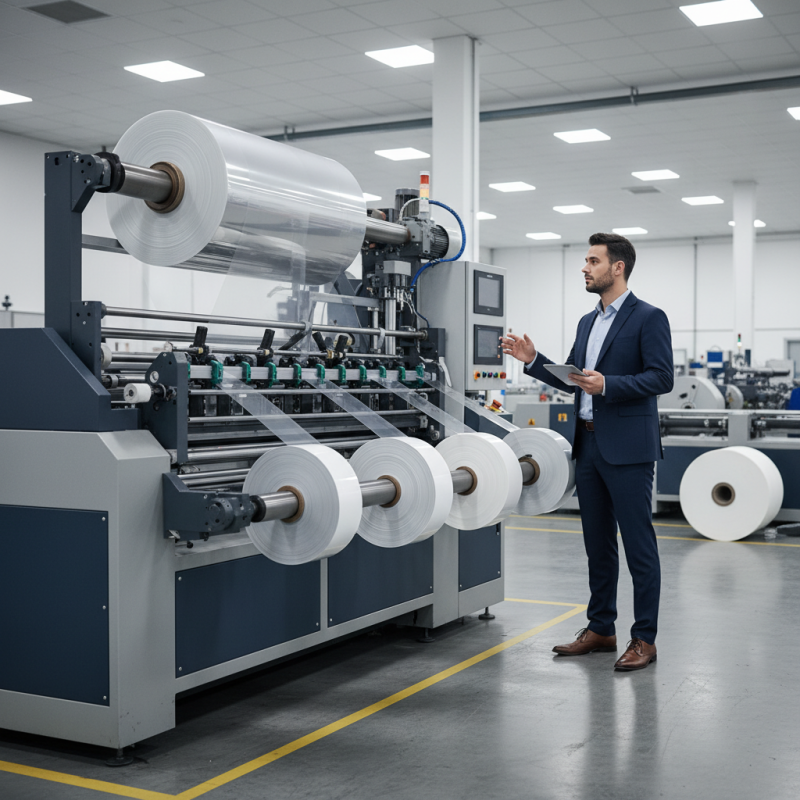
Slitting rewinding machines are essential in many manufacturing processes. They cut large rolls of material into smaller portions and rewind them for easy handling. Understanding these machines helps you make the right choice for your production needs.
These machines are typically used in the packaging, textile, and labeling industries. According to industry reports, around 40% of slitting machines are utilized in flexible packaging. This sector demands precise cutting and rewinding to ensure quality. Knowing the specifics of the materials you work with is crucial. For instance, paper and film have different requirements.
The market for slitting rewinders is evolving, with a projected annual growth rate of 3.5% over the next five years. Various features are available, such as automated tension control and different slitting methods. It is important to reflect on your current production capacity and anticipated growth. Selecting the wrong machine can lead to inefficiencies and waste, impacting overall profit margins.
Key Factors to Consider When Choosing a Slitting Rewinding Machine
When selecting a slitting rewinding machine, several key factors come into play. First, evaluate the machine's speed. High-speed machines can boost productivity, yet they may incur higher maintenance costs. According to a recent industry report, machines operating between 300 to 600 meters per minute tend to yield the best balance between efficiency and reliability.
Next, consider the material types you will be processing. Different materials require different tension and cutting specifications. For instance, flexible packaging materials often need sensitive handling to prevent damage. Industry data indicates that a specialized slitting machine can reduce waste by up to 20%. Ignoring this can lead to unnecessary costs.
Finally, automation features are critical. Automated settings can enhance precision in slitting and winding operations. However, integrating advanced features can increase upfront costs and complexity. A skill gap in your team may emerge, as some workers may struggle with new technologies. A comprehensive evaluation of ease of use versus technical capabilities is vital when making your decision.
How to Choose the Best Slitting Rewinding Machine for Your Needs?
| Factor |
Description |
Importance Level |
| Material Type |
Consider the types of materials you will be processing, such as paper, film, foil, or labels. |
High |
| Slitting Speed |
Evaluate the required speed for your production process to determine efficiency. |
Medium |
| Width of Material |
Identify the maximum and minimum widths of the materials you will be slitting. |
High |
| Rewinding Capability |
Check if the machine can rewind the material into the desired roll size and tightness. |
High |
| Automation Level |
Consider the level of automation you need for efficiency and ease of operation. |
Medium |
| Budget |
Determine your budget to find a machine that meets your needs without overspending. |
High |
| Maintenance Requirements |
Look into maintenance needs and the availability of service support for the machine. |
Medium |
Types of Slitting Rewinding Machines and Their Applications
When choosing a slitting rewinding machine, it's crucial to understand the various types and their applications. Common types include shear slitting, razor slitting, and rotary slitting. Each method has unique advantages and specific uses. For instance, shear slitting is great for precision cuts on thicker materials. Razor slitting, on the other hand, is ideal for thin films. Rotary slitting delivers high-speed processing for mass production.
**Tip:** Assess your material thickness and type to select the right machine. Not all slitting methods are suitable for every project.
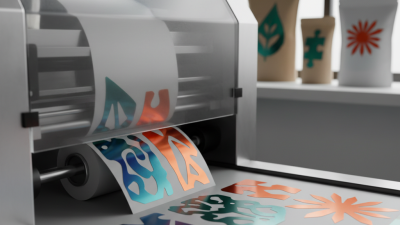
Consider the intended application as well. For packaging, a slitting rewinding machine must handle diverse media. Films, papers, and laminates require careful consideration. Choosing the wrong machine might lead to quality issues. This can impact production efficiency and costs.
**Tip:** Look for flexible machines that can adapt to different materials. Also, investigate their maintenance needs. A machine that’s hard to maintain may cause unexpected downtime.
Realizing the need for a balance between cost and efficiency is essential. Some machines are costly but deliver outstanding results. Others may seem cheaper but lack essential features. Weighing these factors can be challenging but necessary.
Evaluating Machine Specifications and Performance Metrics
When selecting a slitting rewinding machine, evaluating specifications is crucial. Each machine varies in speed, width, and tension control. A 2022 industry report revealed that machines with high-speed capabilities can increase productivity by up to 25%. Consider the production volume you need. You may require a machine that can handle larger rolls, typically over 1,200 mm in width.
Performance metrics are also essential. Look for machines that provide consistent tension control. Variations can lead to defects and waste. A study indicated that 15% of production losses are due to improper tension settings. Pay attention to features like automation and user-friendly interfaces. These can reduce the learning curve for staff and minimize operational mistakes.
Tip: Sometimes, it’s worth exploring machines with adjustable speeds. This flexibility caters to varying project needs. Don’t overlook maintenance requirements either. Machines may perform well initially but can decline without regular upkeep. Ensure that you can access timely support and replacement parts easily. Ultimately, the right machine should fit your operational workflow and enhance efficiency in the long run.
Budget Considerations and Investment for Slitting Rewinding Machines
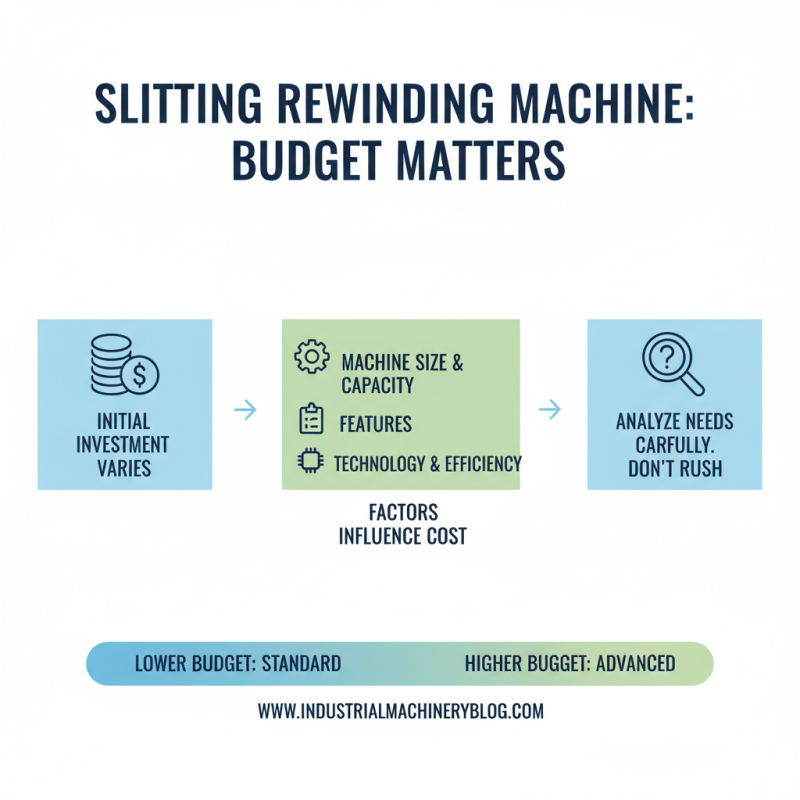
When considering a slitting rewinding machine, budget matters. The initial investment can vary widely. Factors like machine size, capacity, and features influence the cost. A higher budget often brings better technology and efficiency. However, don’t rush into spending. Analyze your needs carefully.
Tips: Assess the scope of your projects. Smaller operations might need less expensive models. Investing in features like automatic tension control can offer long-term savings. Think about maintenance costs too. Some machines require frequent service, which adds to the budget.
Cost efficiency doesn’t always come from the lowest price. Evaluate the total cost of ownership. This includes repairs, energy consumption, and replacement parts. Quality should never be compromised for cost. Balancing these aspects requires thoughtful consideration. Reflect on future demands. A slightly pricier machine now may serve you better down the line.

 Contact immediately

 Contact Phone
 Contact Email