How to Choose the Best Slitting Unit for Your Production Needs?
Choosing the right Slitting Unit for your production needs is crucial. The effectiveness of your manufacturing process depends largely on this decision. A well-selected unit can enhance efficiency and product quality. However, understanding the various options available can be overwhelming.
An ideal Slitting Unit is not just about features. It is about matching those features to your specific requirements. Factors such as material type, thickness, and desired output must be considered. For instance, some units excel in precision, while others may prioritize speed. You must reflect on what matters most for your operation.
It’s also important to consider the long-term investment. A higher upfront cost may lead to savings down the line through improved performance. On the other hand, opting for a cheaper unit might result in frequent repairs. Weighing these factors requires careful thought and expert guidance. Engaging with industry specialists can lead to more informed decisions.
Understanding Slitting Units: Types and Functions
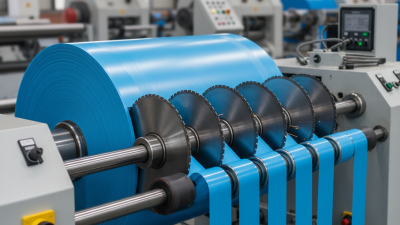
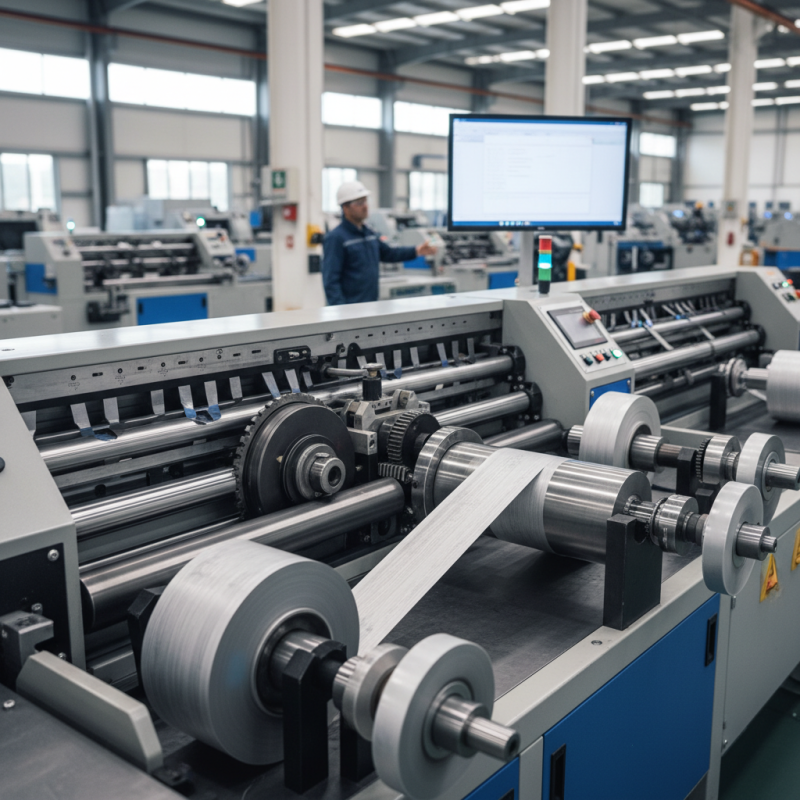
Understanding slitting units is essential for optimizing production processes. These machines are designed to cut wide rolls of material into narrower strips. They are critical in industries like packaging, textiles, and paper. According to a report from Smithers Pira, the global slitting market is projected to grow at a CAGR of 5.2% from 2021 to 2026. This growth highlights the increasing demand for precision and efficiency in slitting operations.
There are several types of slitting units, each tailored for specific functions. Rotary slitting units use rotary blades for clean cuts and high speeds. Shear slitting units provide versatility, allowing for thicker materials. However, the choice of unit impacts production efficiency. An improper selection can lead to excessive waste and downtime. For instance, an ill-fitted slitting unit may produce wider tolerances, leading to quality issues.
Investing in the right slitting unit requires understanding operational needs. Factors include the type of material, desired thickness, and cutting speed. Data shows that nearly 30% of manufacturers face delays due to inadequate equipment. This is an area for potential improvement. Ensuring the right choice can enhance production capabilities significantly.
Assessing Production Needs: Volume, Material, and Precision
Choosing the right slitting unit requires a detailed assessment of your production needs. Understanding volume is fundamental. High-volume operations necessitate robust machines that can handle increased output without compromising quality. If your demand fluctuates, consider a flexible unit that can adapt to varying volumes while maintaining performance.
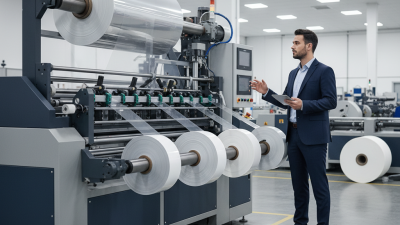
Material plays a crucial role in this decision-making process. Different materials necessitate specific slitting technologies. For instance, films, foils, and paper each have unique characteristics that affect slitting speed and precision. Ensure your selected unit can handle the thickness and hardness of your materials. This is vital for achieving consistent cuts and reducing waste.
**Tips:**
1. Always assess your future production needs. Will your volume increase or decrease?
2. Match your slitting unit to the material specifics. A mismatch can cause delays.
3. Consider trial runs. Testing helps identify possible challenges without huge investments.
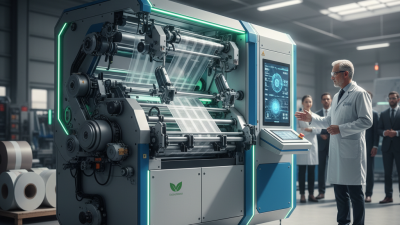
Precision is another priority. In applications where accuracy is paramount, opt for units that offer advanced features. Technology such as laser guiding can improve cut consistency. Reflect on whether you prioritize speed over precision, as this may affect your overall production quality.
Key Features to Look for in a Slitting Unit
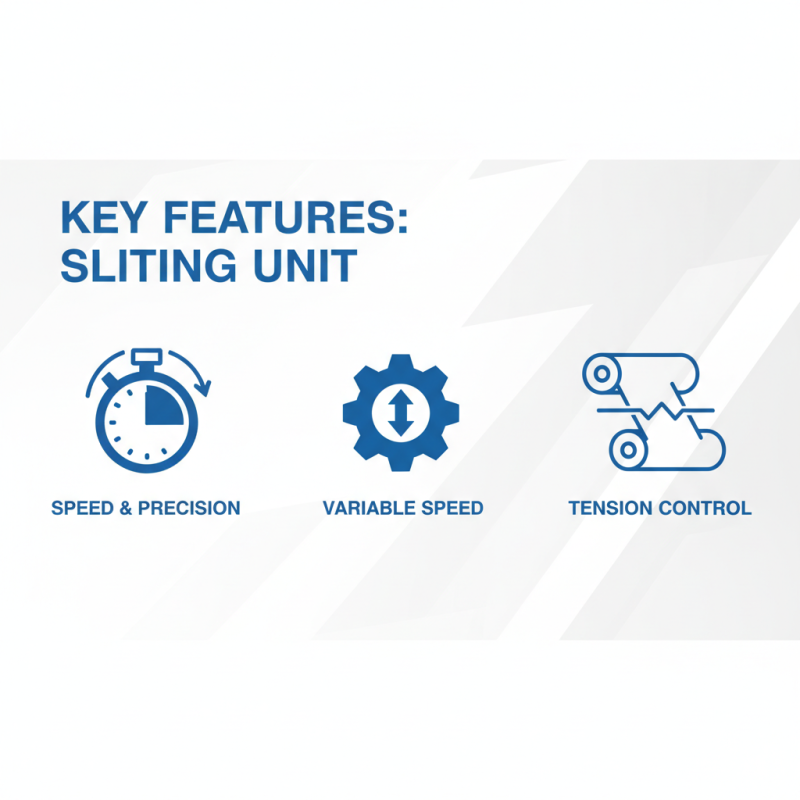
When selecting a slitting unit, several key features should guide your choice. Speed and precision are paramount. A unit with variable speed options can accommodate different materials and widths. Look for a model that ensures consistent tension control, as this impacts the final product's quality.
Another consideration is the maintenance requirements. Some units may require frequent servicing, leading to production downtime. Assess how easily components can be accessed for cleaning or replacement. Versatility also plays a role. A slitting unit that can handle various substrates makes your operation more adaptable to changes.
Safety features should not be overlooked. Automatic shut-off systems and emergency stop controls protect your workforce. Additionally, check for certifications that indicate compliance with industry safety standards. Remember, balancing features with operational efficiency requires careful thought. Reflect on your production needs and future growth to make the most informed choice.
Evaluating Cost vs. Performance in Slitting Equipment
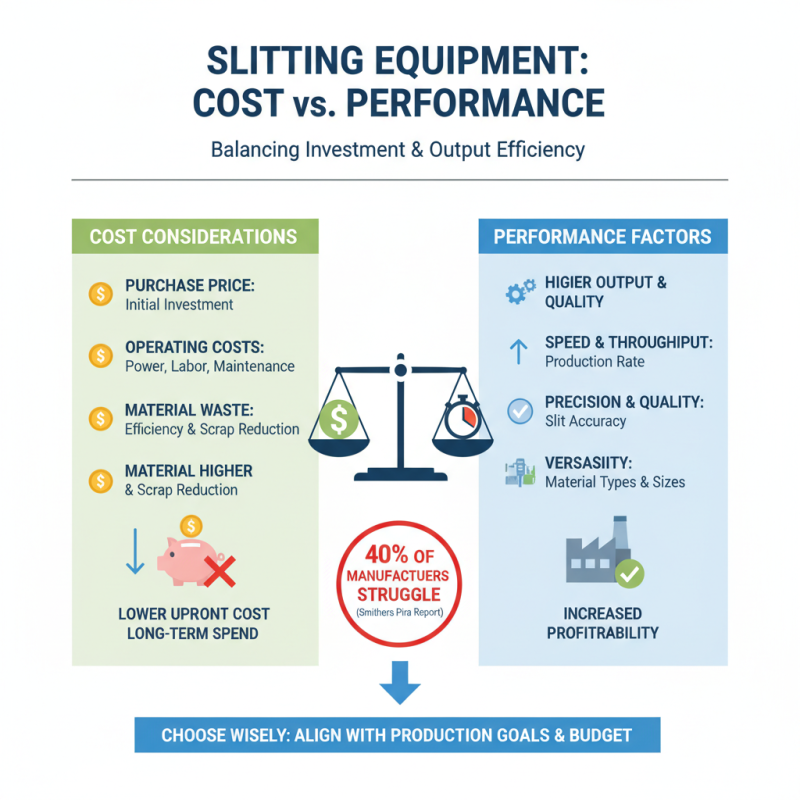
Choosing the right slitting unit for production requires a careful evaluation of cost and performance. According to a recent report by Smithers Pira, nearly 40% of manufacturing organizations struggle with balancing these two factors. Effective slitting machines must align with specific production goals while meeting financial constraints.
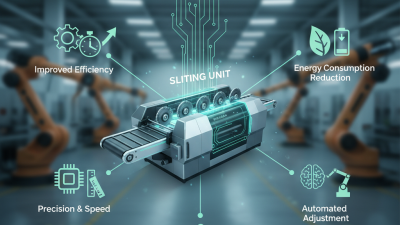
Performance metrics such as speed, precision, and waste reduction are crucial. A study indicated that high-efficiency units can improve output by up to 25%. However, the initial investment may deter some businesses. It’s vital to analyze the long-term benefits against upfront costs. For instance, investing in a more advanced model may yield lower operational costs over time. But, is the payoff guaranteed?
Additionally, production sizes matter. Smaller operations might prioritize cost-effectiveness over advanced features. They might need equipment that delivers decent performance without overspending. On the flip side, larger manufacturers might require robust features to handle high volumes. Selecting the best slitting unit demands consideration of both immediate budgets and future demands. Balancing these elements often leads to difficult choices. Each business must reflect on its priorities to achieve an optimal setup.
Maintenance and Support Considerations for Slitting Units
When selecting a slitting unit, maintenance and support are crucial factors. Regular upkeep ensures optimal performance and longevity. It's vital to establish a maintenance routine that includes checks on sharpness and alignment. A dull blade can lead to waste and operational downtime.
Tips for maintenance: Regularly inspect your blades. Look for signs of wear or damage. Maintain a clean environment around the slitting unit. Dust and debris can hinder functionality.
Having professional support is another essential consideration. Reliable support can minimize disruptions when issues arise. Make sure to choose suppliers who offer timely assistance and replacement parts. Cultivating a relationship with experienced technicians can provide insights into improving efficiency.
Tips for support: Keep a list of essential contacts. Document all maintenance checks. Consider scheduling training for your team on troubleshooting common problems. Being prepared can turn challenges into manageable tasks.
How to Choose the Best Slitting Unit for Your Production Needs? - Maintenance and Support Considerations for Slitting Units
| Criteria |
Description |
Importance Level |
| Material Compatibility |
Ensure the unit can handle the types of materials you will be slitting (e.g., paper, plastic). |
High |
| Cutting Accuracy |
The precision of cuts is critical for product quality. |
Critical |
| Ease of Maintenance |
Consider units that are easy to access for cleaning and repairs. |
Moderate |
| Speed of Operation |
Evaluate the speed of slitting to meet production demands. |
High |
| Support and Services |
Check the availability of technical support and spare parts. |
High |
| Cost of Operation |
Total cost of ownership including operational costs. |
Moderate |
| User-Friendliness |
How intuitive the machine is to operate. |
Moderate |

 Contact immediately

 Contact Phone
 Contact Email