2026 How to Choose the Right Rewinding Machine for Your Business?
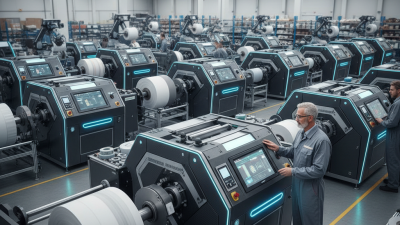
Choosing the right Rewinding Machine is crucial for your business's efficiency. The global market for rewinding machines is projected to reach USD 3.1 billion by 2026, according to industry reports. This growth reflects the increasing demand for precision and quality in packaging and manufacturing sectors.
When selecting a rewinding machine, consider your specific needs. Evaluate the types of materials you'll work with and the required output speed. High-performance machines can enhance productivity substantially. However, choosing an overly complex machine can lead to integration issues. A balance between functionality and simplicity is vital.
Additionally, reliability plays a significant role. Downtime due to machine failure can severely impact your operations. It's important to research manufacturers and their reputation for durability. While many options exist, understanding your unique requirements will ensure you invest wisely. Proper evaluation will mitigate risks and lead to better outcomes in your production process.
Understanding the Different Types of Rewinding Machines Available
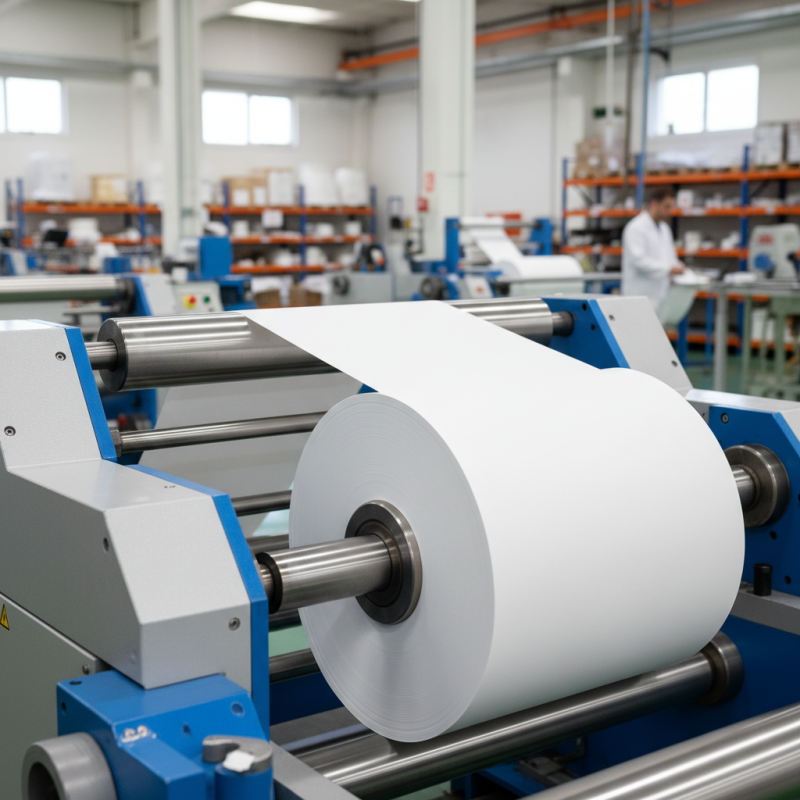
Selecting the right rewinding machine is crucial for any manufacturing business.
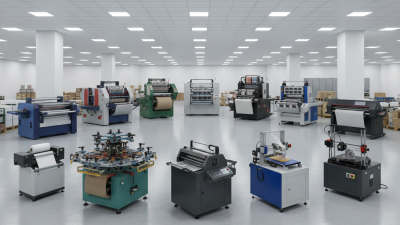
Many types exist, each serving specific needs. For example, a
standard rewinding machine is suitable for paper and film products. Specialized machines cater to specific materials like textiles or metal foils. Understanding these differences is essential.
Market research shows that the global rewinding machine industry is expected to grow by 4.5% annually. This growth is driven by rising demand in packaging and labeling sectors. Businesses should assess their material types and production rates. Some machines offer higher speeds but can lead to quality control issues. Slower models can provide better accuracy.
Customization is another key factor. Machines with adjustable tension settings can optimize performance. However, they often require more operator training. This adds complexity and training costs. A clear understanding of your production needs can help navigate these challenges. Taking time to evaluate options will prove beneficial in the long run.
Key Factors to Consider When Selecting a Rewinding Machine for Efficiency
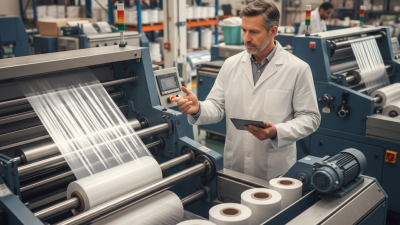
Choosing the right rewinding machine requires careful consideration. Efficiency is key in today's competitive market. Various factors influence your decision. You need to evaluate production needs, type of materials, and budget constraints. It’s crucial to match the machine’s specifications with your operations.
Tip: Think about your workspace. Larger machines may not fit well. Measure your space accurately to avoid costly adjustments later. Assess the types of materials you plan to rewind. Different machines handle various substrates differently. For instance, delicate films may require specialized equipment.
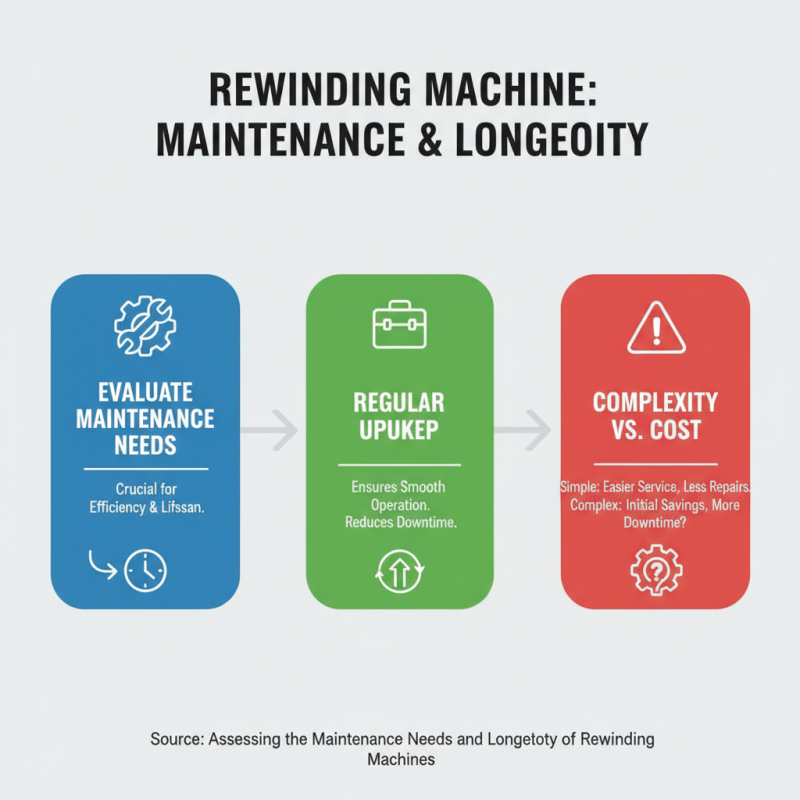
Maintenance is another vital factor. Some machines demand more upkeep than others. This can affect your downtime. Look for machines that offer easy access for repairs. Reliability can save you from unexpected costs. Regular issues can hinder productivity.
Tip: Always check user reviews. Real-world experiences provide valuable insights. Sometimes, flashy features don’t translate into actual performance. Reflection on your specific needs will lead to better choices. Don’t forget to ask your team for input. Their hands-on experience can guide your decision.
2026 How to Choose the Right Rewinding Machine for Your Business? - Key Factors to Consider When Selecting a Rewinding Machine for Efficiency
| Feature |
Description |
Importance Level |
Considerations |
| Speed |
Operating speed of the rewinding machine, usually expressed in meters per minute. |
High |
Higher speeds increase productivity, but consider material compatibility. |
| Roll Diameter |
Maximum and minimum roll diameters the machine can handle. |
Medium |
Ensure the machine meets your specific roll size requirements. |
| Material Compatibility |
Types of materials the machine can efficiently rewind. |
High |
Select a machine that can handle all materials used in your production. |
| User-Friendliness |
Ease of operation and setup for the rewinding process. |
Medium |
Look for intuitive controls and training support. |
| Maintenance Requirements |
Scheduled upkeep and repair necessities for longevity. |
High |
Choose machines with low maintenance needs to save time and cost. |
| Cost |
Initial purchase price and total cost of ownership. |
High |
Evaluate the budget but consider ROI through efficiency improvements. |
Analyzing the Cost-to-Performance Ratio of Rewinding Machines in 2026
When selecting a rewinding machine in 2026, the cost-to-performance ratio is critical.
A recent industry analysis revealed that businesses typically allocate between 10% to 25% of their budget on machinery.
Understanding where this money goes is essential. Not all machines provide the same output. Some may cost less but require more maintenance and lead to downtime.
According to data from industry experts, machines with higher initial costs often yield better long-term performance.
For instance, a machine with a 15% higher price tag might reduce operational costs by 30% over time.
This creates a clearer cost-to-performance advantage. However, not all businesses can afford to invest heavily up front. This presents a dilemma.
Many businesses may opt for cheaper machines, risking performance dips. Reports indicate that 40% of companies regret their budget choices within two years.
They face issues like slower production rates and frequent repairs. Understanding the balance between cost and efficiency can be tricky but is paramount for business success.
Evaluating the Technological Advancements in Rewinding Machinery
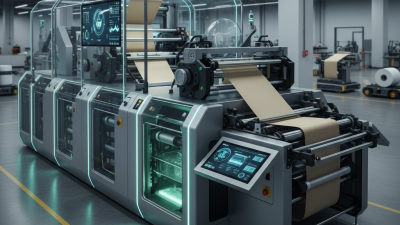
When choosing a rewinding machine, evaluate its technological advancements carefully. The latest industry reports show a trend toward automation in rewinding processes. About 70% of manufacturers are investing in machinery that enhances efficiency. These machines can reduce labor costs and improve precision.
Advanced rewinding machines often include features such as real-time monitoring and data analytics. This technology allows operators to identify issues quickly. Even minor errors can lead to significant production delays. Reports indicate that manufacturers using modern technology experience a 30% increase in output quality. However, not all machines are created equal, and the learning curve can be steep.
Consider energy efficiency as well. Older models can consume up to 40% more power. Investing in newer models may lead to long-term savings but requires an upfront assessment. What’s suitable for one company might not be for another. Reflect on your specific needs and operational workflow. Each decision shapes your business’s future.
Evaluating the Efficiency of Different Types of Rewinding Machines

 Contact immediately

 Contact Phone
 Contact Email