How to Choose the Right Rewinding Machine for Your Business Needs?
Choosing the right rewinding machine for your business can significantly impact your productivity. The global rewinding machine market is projected to grow at a CAGR of 5.2% from 2023 to 2030, indicating rising demand. With numerous options available, selecting one that meets specific needs is crucial.
A rewinding machine's efficiency can affect production timelines and costs. Inadequate machinery may lead to higher waste and lower output quality. For example, poorly adjusted machines can cause rolls to break or twist, which is frustrating and costly. Additionally, an underperforming rewinder can slow down your operations.
It's important to assess your workflow and requirements. Consider material types and production volume. Not all rewinding machines suit every application, creating a need for careful evaluation. Balancing features with budget constraints can be challenging. A decision should not be rushed; reflecting on your business's unique needs will lead to better results.
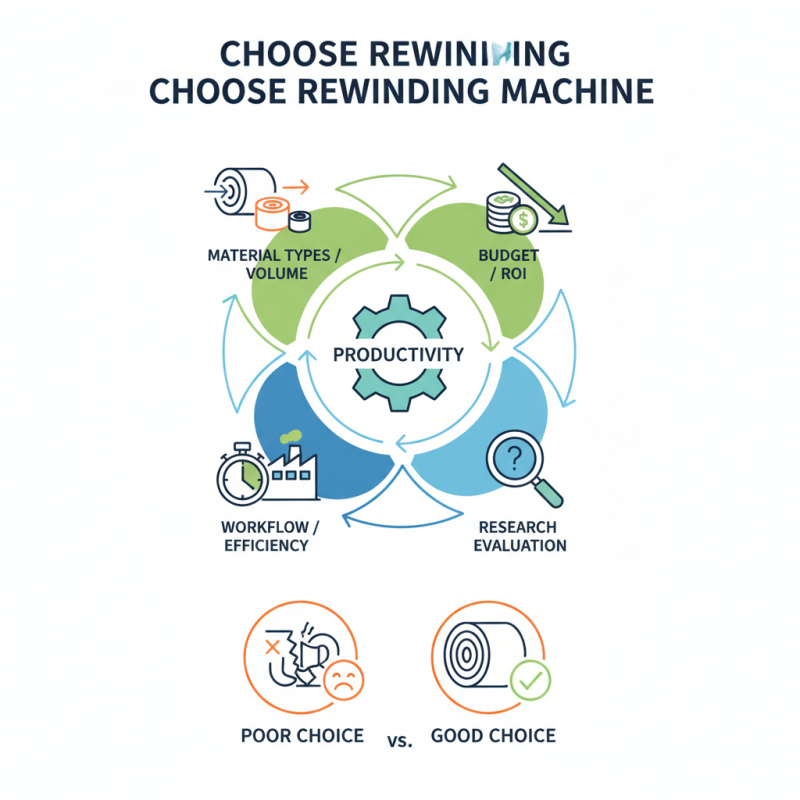
Factors to Consider When Selecting a Rewinding Machine
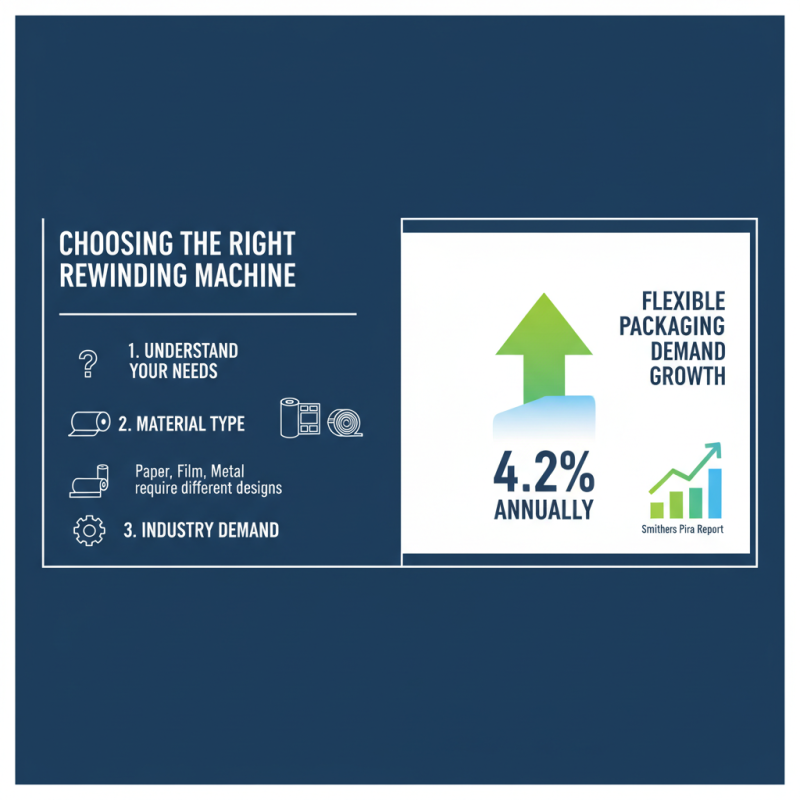
Choosing the right rewinding machine involves several critical factors. Understanding your specific needs is essential. The type of materials you work with plays a key role. For instance, paper, film, and metal require different machinery designs. A report from Smithers Pira highlights that the demand for flexible packaging is expected to grow at a rate of 4.2% annually. This means that businesses in that sector must invest carefully in suitable equipment.
Speed and efficiency are other significant considerations. Many machines can achieve speeds over 400 meters per minute. However, higher speeds may compromise quality in some cases. Balancing speed and quality can be a tough decision. Additionally, operational costs must not be overlooked. A Cost Analysis report suggests that maintenance costs can range from 5% to 10% of the initial investment. Companies often underestimate these costs, leading to budget overruns.
Lastly, technology features play a vital role. Automated and smart technologies enhance usability but can be more expensive. Features like web alignment and tension control improve accuracy. Manufacturers often market these technologies as must-haves. However, businesses should evaluate if they need all these features. It’s crucial to analyze the real benefits and whether they align with your production goals.
Different Types of Rewinding Machines and Their Applications
When selecting a rewinding machine, it's crucial to understand the types available. Different machines cater to various applications. For instance, desktop rewinding machines are compact and ideal for small-scale operations. They can handle lighter rolls but might lack the efficiency needed for larger production lines.
On the other hand, industrial-grade rewinding machines offer robust performance. These machines are designed for heavy-duty tasks. They can manage thicker materials and larger roll sizes. However, they often come with a higher price tag and require more space. Choosing the right machine depends heavily on your specific business needs.
In some cases, businesses mix machine types to optimize output. This approach, however, can be complex. It requires careful planning and understanding of each machine's capabilities. Not all combinations work seamlessly, and troubleshooting potential issues can be time-consuming. This is a consideration that should not be overlooked when making a decision.
Assessing Production Volume and Speed Requirements
Choosing the right rewinding machine for your business starts with understanding your production needs. Production volume is key. How much product do you plan to produce daily or weekly? Calculate your expected output. This will help you determine the right machine size and capacity.
Speed is another crucial factor. Evaluate how fast the rewinding machine needs to operate. Can it keep up with your production goals? A machine that runs too slow may hold you back. On the other hand, an overly fast machine may risk quality issues. Consider your staff's ability to handle high-speed operations. Training might also be necessary.
Think about the specifics. Different materials may require different winding speeds. Check if your products have unique needs. Perhaps there are concerns about waste or defects. If you're unsure, conduct tests. Feedback from your team is vital. They can provide insights that might not be obvious at first glance.
How to Choose the Right Rewinding Machine for Your Business Needs? - Assessing Production Volume and Speed Requirements
| Machine Type |
Max Production Volume (m²/hr) |
Max Speed (m/min) |
Suitable Material |
Price Range ($) |
| Basic Rewinding Machine |
100 |
30 |
Paper, Film |
5000 - 8000 |
| Intermediate Rewinding Machine |
300 |
50 |
Film, Foil |
10000 - 15000 |
| Advanced Rewinding Machine |
600 |
100 |
Specialty Materials |
20000 - 30000 |
Evaluating Budget Constraints and Cost-Effectiveness
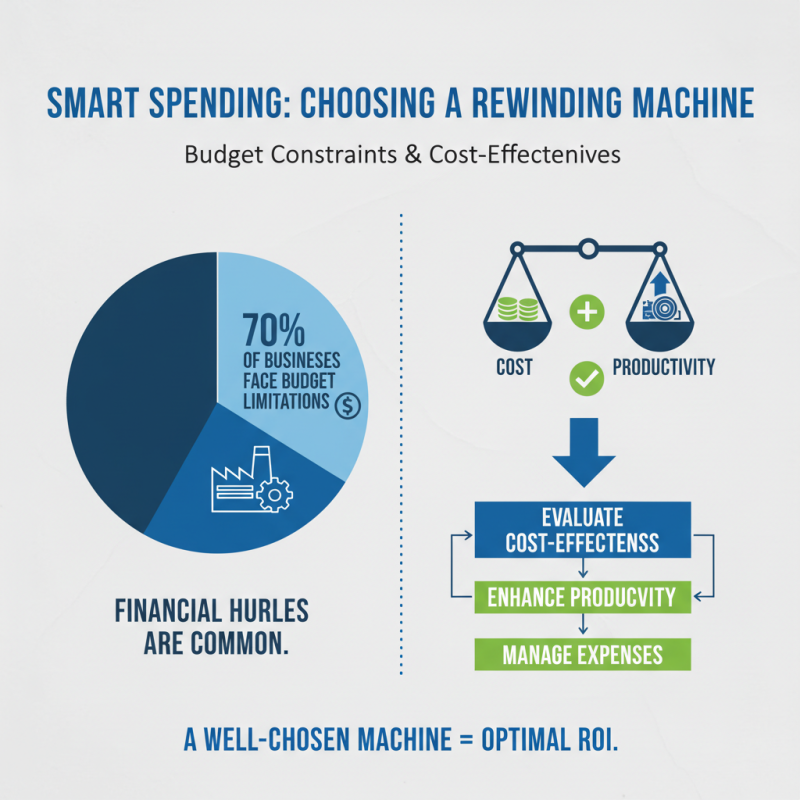
When selecting a rewinding machine, budget constraints play a crucial role. According to industry reports, nearly 70% of businesses often face financial limitations when investing in new machinery. This highlights the importance of evaluating cost-effectiveness. A well-chosen machine can enhance productivity while keeping expenses manageable.
Understanding total cost of ownership is essential. Factors to consider include maintenance, energy consumption, and operational efficiency. Research indicates that machines with higher upfront costs may be more economical over time. These models can lead to cost savings up to 30% in energy use and reduce downtime, which ultimately affects profit margins.
Evaluate your production needs closely. Not every rewinding machine will fit all operational requirements. Smaller companies might benefit from budget-friendly models, while larger operations may require advanced features. Constantly reassess performance and financial health. It allows you to make informed decisions. Balancing upfront investment and long-term returns is challenging but vital.
Understanding Maintenance and Technical Support Options
When selecting a rewinding machine, maintenance and technical support options are crucial. A machine must run efficiently to meet production needs. Research has shown that businesses can lose up to 20% in productivity due to equipment downtime. Regular maintenance can significantly reduce these losses.
Understanding the type of support you might need is essential. Some manufacturers offer full support with detailed service agreements. Others may provide minimal help, affecting your operations. According to industry surveys, 75% of companies prioritize reliable technical support when choosing equipment. Access to quick repairs and expert guidance can save time and money.
Some machines may require special tools for maintenance, which could be an added expense. Furthermore, training employees on machine upkeep is often overlooked. Without proper training, machines might not perform optimally. Anecdotal evidence suggests that companies with ongoing support see a 30-40% increase in operational efficiency. It's clear that investing in maintenance and support could maximize machine potential.
Rewinding Machine Selection Criteria

 Contact immediately

 Contact Phone
 Contact Email