How to Choose the Right Speed Cutting Machine for Your Needs?
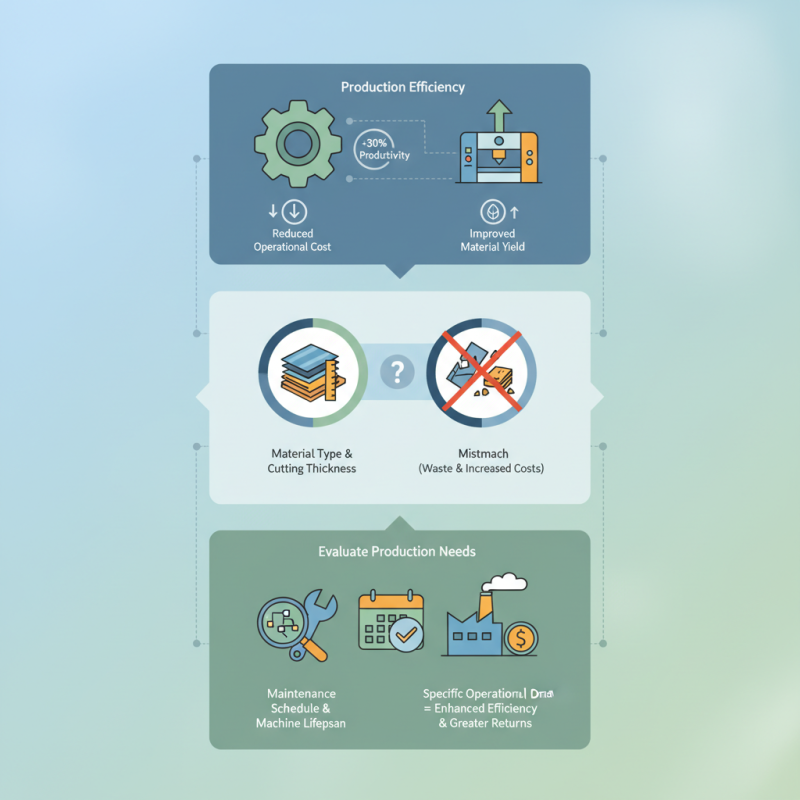
Choosing the right Speed Cutting Machine can significantly impact your production efficiency. According to a recent industry report, businesses that invest in high-quality cutting equipment experience a 30% increase in productivity. The right machine can reduce operational cost and improve material yield.
When selecting a Speed Cutting Machine, it’s crucial to consider factors like material type and cutting thickness. Many users overlook these important details. A mismatch can lead to waste and increased costs. Experts suggest evaluating your production needs carefully.
Additionally, maintenance should not be ignored. Regular upkeep can extend the machine’s lifespan. However, many operators fail to establish a proper maintenance schedule. Ultimately, the choice of a Speed Cutting Machine should align with specific operational demands. This ensures enhanced efficiency and greater returns over time.
Understanding the Different Types of Speed Cutting Machines
When selecting a speed cutting machine, understanding the available types is crucial. Speed cutting machines can be categorized primarily into manual, semi-automatic, and fully automatic systems. Manual machines often require significant operator input and skill, making them less efficient for large volumes. According to industry studies, manual machines account for about 25% of market usage, reflecting a preference for more automated solutions.
Semi-automatic machines enhance productivity with some automated features. They typically offer a good balance between control and efficiency. Reports indicate that these machines make up about 40% of the market. Many users find them ideal for mid-sized operations. However, they still demand operator oversight, which can lead to bottlenecks during high-demand periods.
Fully automatic machines represent the pinnacle of cutting technology. With automation, they can operate continuously, cutting time and labor costs. About 35% of manufacturing facilities now utilize fully automatic systems. Nonetheless, the initial investment is considerable. Businesses must weigh long-term savings against their current budget. Ultimately, each type has its pros and cons, and a careful assessment should be made to align with operational goals.
Key Factors to Consider in Speed Cutting Machine Selection
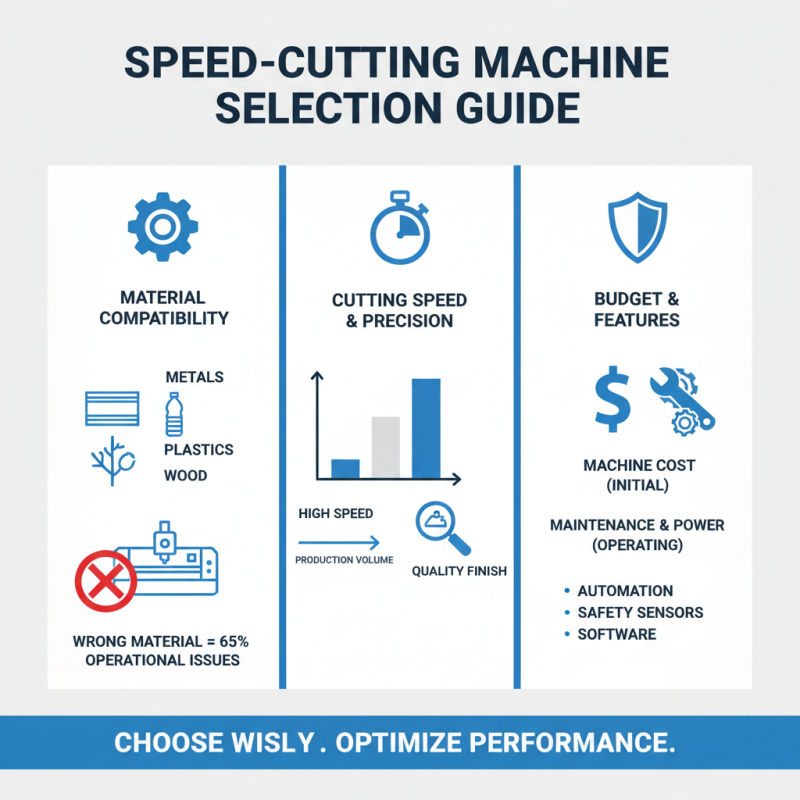
Selecting a speed cutting machine requires careful consideration of several key factors. One crucial aspect is the material compatibility. Various machines are designed for specific materials, such as metals, plastics, or wood. According to industry reports, around 65% of operational issues arise from using the wrong machine for the intended material.
Another factor to consider is the machine's cutting speed and efficiency. Faster machines can significantly reduce production time. However, higher speeds may lead to lower precision. In fact, studies show that about 30% of manufacturers prioritize speed over accuracy, which often results in increased waste and rework. Finding a balance is essential.
Power consumption is also an important point. Machines that use less energy can save costs in the long run. It’s reported that energy-efficient models can reduce electricity costs by up to 20%. Yet, cost considerations might lead some to overlook this, which is a common pitfall. Therefore, evaluating all these factors thoroughly can lead to a more informed decision and ultimately improve overall production efficiency.
Assessing Material Compatibility with Speed Cutting Equipment
When selecting a speed cutting machine, assessing material compatibility is crucial. Different materials require specific cutting techniques for optimal results. For instance, metals like steel need higher speeds, while softer materials like wood do not. According to industry reports, mismatched equipment can lead to poor cuts and increased wear on blades.
Consider how thickness and density impact performance. Thicker materials may demand more power and slower speeds. This can elevate operational costs and reduce efficiency. Not every machine handles every material effectively. The right choice can significantly affect production rates and finished quality.
Tips: Always refer to manufacturer guidelines for compatible materials. Testing small samples can provide insights. Collaborate with experts when uncertain about the specifications. This approach can save time and resources in the long run. Reflect on past experiences with various materials. What went well? What didn't? Analyzing these factors can illuminate future decisions.
Evaluating Machine Specifications for Your Cutting Needs
Choosing the right speed cutting machine requires careful evaluation of its specifications. It is vital to understand the relationship between cutting speed and material types. For instance, softer materials like plastic require different settings than harder metals. Data from industry reports suggest that optimal cutting speeds can significantly increase efficiency.
Consider the power and torque in the machine’s specifications. Machines with higher torque can handle tough materials. However, they often come at a higher cost. Balancing cost and performance can be challenging. For instance, some users may find themselves overspending on features they rarely use. A basic machine might suffice for lighter materials, reducing unnecessary costs.
Another key aspect is the machine’s precision. Precision cutting reduces waste and improves production speed. While high precision is desirable, achieving it may require additional training or setup time. Many operators report frustration when transitioning to a more precise machine. Therefore, it’s essential to assess both skill level and the machine’s capabilities before purchase.
Speed Cutting Machine Specifications Analysis
This bar chart illustrates key specifications to consider when choosing a speed cutting machine. Parameters such as Cutting Speed, Power, Weight, Price, and Noise Level are evaluated to help users assess which machine meets their specific cutting needs.
Budget Considerations for Purchasing a Speed Cutting Machine
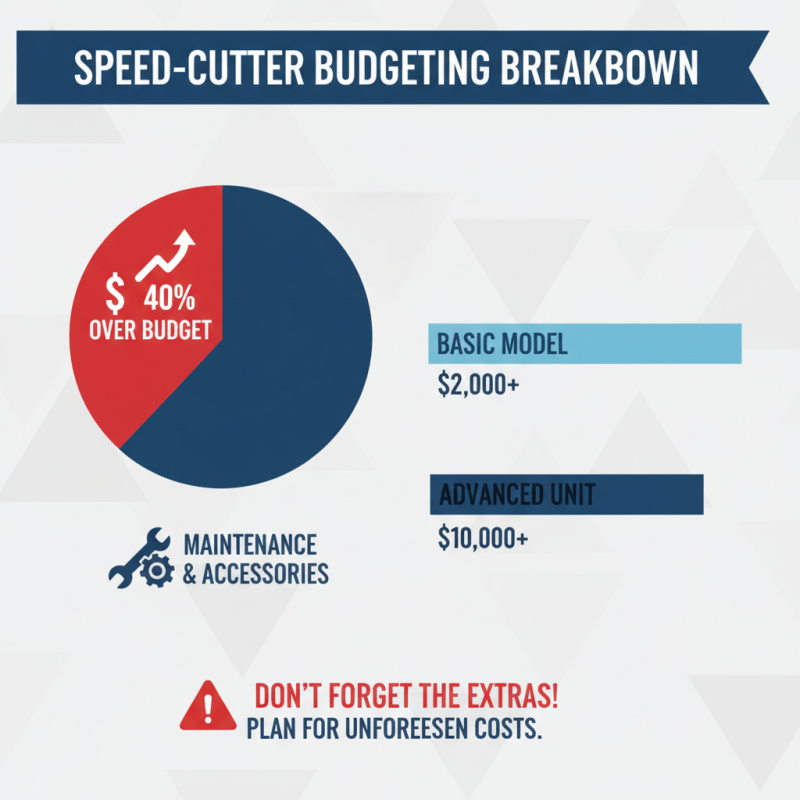
When considering the purchase of a speed cutting machine, budgeting is crucial. Industry reports indicate that nearly 40% of businesses exceed their initial budget due to unforeseen costs associated with maintenance and accessories. A basic model can cost around $2,000, but advanced units may reach $10,000 or more.
In addition to the initial purchase price, consider ongoing expenses. Maintenance costs can add up to 10-15% of the machine’s price annually. This includes parts replacement and expert servicing. Furthermore, training for your team may incur additional costs. Investing in high-quality training can minimize machine downtime and improve efficiency.
However, captivating deals often appear tempting. It is essential to analyze the long-term benefits versus the initial savings. Cheaper machines may lead to higher operational costs due to inefficiencies. While working with a limited budget, remember that quality should not be sacrificed. It is important to evaluate the total cost of ownership rather than just the sticker price. Balancing budget and performance is key to making a wise investment in speed cutting machines.

 Contact immediately

 Contact Phone
 Contact Email