What is a Die Cut Label Printer and How Does It Work?
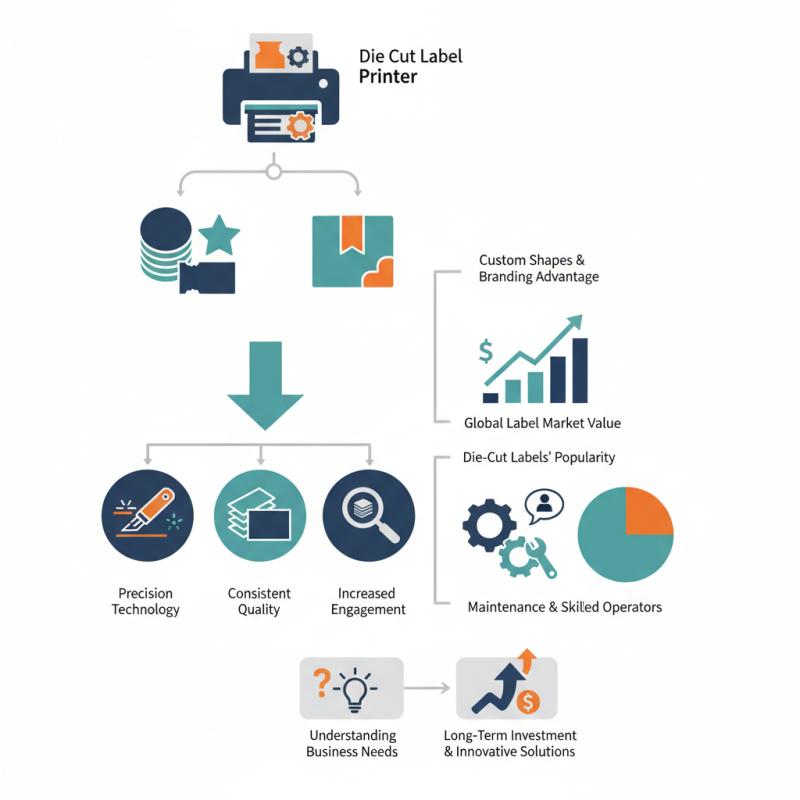
Die Cut Label Printers have revolutionized the labeling industry. Their precision and efficiency offer businesses an advantage in branding. In 2022, the global label printer market was valued at $40 billion, with die-cut labels gaining popularity. These printers create custom shapes and sizes, allowing brands to stand out on shelves.
The technology behind a Die Cut Label Printer is impressive. It uses a blade or laser to cut labels into unique shapes. This process ensures consistent quality, meeting the demands of fast-paced markets. Reports indicate that companies using die-cut labels see a 20% increase in customer engagement. However, maintaining the printer can be challenging. It requires skilled operators for optimal performance.
While die cut labels are effective, some may not realize their potential. Businesses must understand their specific needs to maximize benefits. Investing in a Die Cut Label Printer is an important decision. Companies should consider both short-term gains and long-term value. Exploring options carefully can reveal innovative solutions for labeling needs.
What is a Die Cut Label Printer?
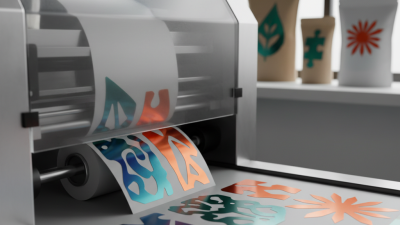
A die cut label printer is a specialized device designed to produce custom labels. These printers utilize blades to precisely cut label sheets into various shapes and sizes. Unlike standard printers, die cut label printers can create intricate designs, enhancing the visual appeal of products. According to recent industry reports, the demand for custom labels has increased by 25% in the past three years. This rise indicates a growing trend among businesses seeking to differentiate their products.
These printers operate using a simple yet effective mechanism. They feed material through the printer, where blades create exact cuts. This allows users to produce labels with unique contours. Many industries benefit from this technology, including retail and manufacturing. Reports show that custom labels can boost consumer engagement by 20%.
Tips: When choosing a die cut label printer, consider the print speed and resolution. Higher speed can enhance productivity, but quality should not be compromised. Regular maintenance is crucial too. A poorly maintained printer can lead to unreliable cuts and wasted materials. Make sure to evaluate your needs carefully to avoid mistakes in purchasing.
The Components of a Die Cut Label Printer
A die cut label printer is a specialized device designed to create custom labels with unique shapes. Understanding its components is essential for optimal use. At the core, the printer consists of a cutting mechanism, which shapes the material. This can be a blade or a laser, depending on the model. The precision of this component influences the final label quality.
Next, the feeding system transports the label material. It can be a simple roll or a more complex setup. The choice affects efficiency and material waste. Then, there's the printing unit, responsible for applying ink or other finishes. The quality of ink can impact durability. Operators should regularly check these components for wear and tear, as they can affect output quality.
Lastly, the control system is vital. It allows users to adjust settings for size, shape, and design. The interface should be user-friendly to avoid errors. Users sometimes overlook calibrations, which can lead to misaligned cuts. Reflecting on these aspects can enhance the printing experience. Regular checks and adjustments are key to maintaining effectiveness.
How Die Cut Label Printing Works
Die cut label printing is a precise method for creating custom labels. This technique uses specialized printers to cut labels into specific shapes, enhancing their visual appeal. The design can include intricate patterns, logos, or text. According to a recent industry report, the global label market was valued at $50 billion in 2022, with die cut labels growing rapidly due to their versatility and effectiveness.
The process begins with a digital file that contains the design specifications. The printer then uses a cutting die to slice through the label material, which can be paper or vinyl. The ability to create unique shapes is a significant advantage. It allows brands to stand out in a crowded marketplace. However, achieving the perfect cut can be challenging. Variances in material thickness and printer settings can lead to inconsistencies.
Additionally, die cut label printing can be resource-intensive. The equipment requires regular maintenance to ensure optimal performance. Data indicates that businesses can reduce waste by refining their designs and testing before large runs. The learning curve can be steep but ultimately rewarding for those who master this craft. Understanding these dynamics is essential for any business aiming to leverage die cut labels effectively.
Die Cut Label Printer Usage Statistics
This chart represents the market share distribution of die cut label printer usage across various industries. The Food & Beverage sector leads with 35%, followed by Cosmetics and Health & Wellness at 25% and 20%, respectively.
Different Types of Die Cut Label Printers
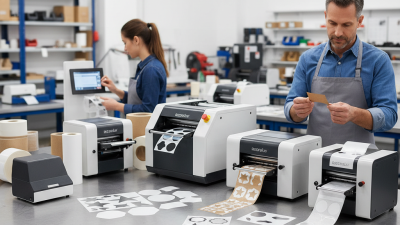
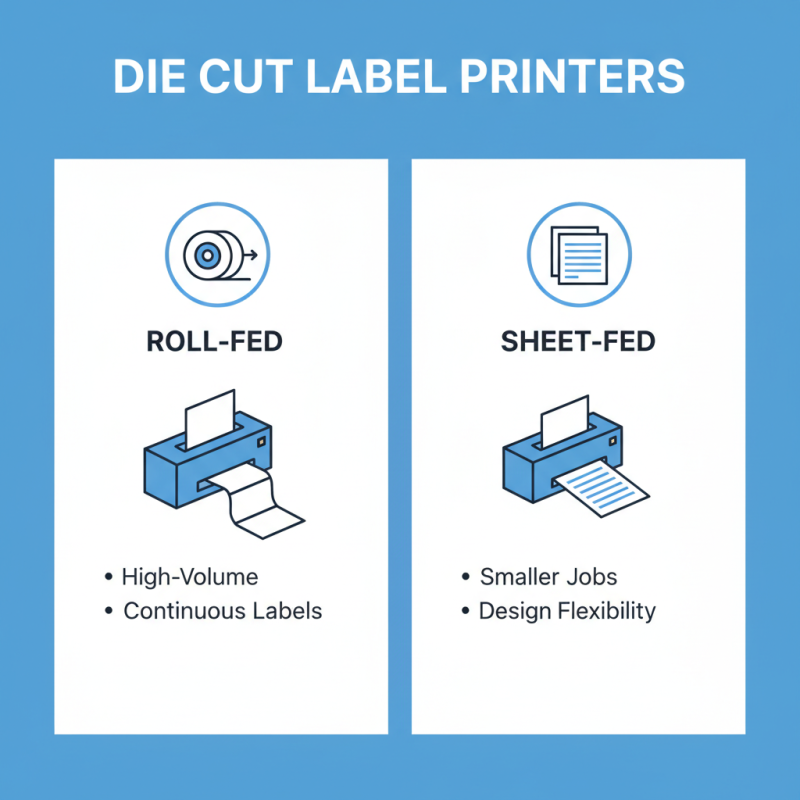
Die cut label printers come in various types, each designed for specific labeling needs. One common type is the roll-fed printer. These printers use rolls of label stock to produce continuous labels efficiently. They are ideal for high-volume production. Another type is the sheet-fed printer, which handles pre-cut sheets. This option is great for smaller jobs and offers flexibility in label design.
Then, there are thermal transfer printers. They use heat to transfer ink from a ribbon onto the label. This method provides durable, high-quality prints. Direct thermal printers, on the other hand, print directly onto heat-sensitive paper. They are perfect for short-term labels but may fade over time.
Tips: When choosing a die cut label printer, consider your volume needs. Selecting the right type can save you time and costs. Ensure you understand the materials compatible with each printer type to avoid issues. Regular maintenance is key for longevity. Neglecting it can lead to poor print quality and increased downtime.
Applications and Benefits of Die Cut Labels
Die cut labels offer a versatile solution for various industries. They are used in food packaging, product labeling, and even event promotions. The die cut process creates labels in unique shapes, enhancing branding efforts. Reports indicate that the label market is expected to grow to $48.55 billion by 2026. This highlights the increasing relevance of die cut labels.
One major benefit is their ability to attract consumer attention. The unique shapes and customizable designs set products apart. Companies that utilize die cut labels often report higher engagement rates. These labels also demonstrate durability, especially in harsh environments. For example, labels designed for freezer storage maintain integrity over time.
Moreover, the adhesive technology used in die cut labels contributes to their effectiveness. Reports show that 75% of consumers notice packaging first. This means that a well-designed label can influence purchasing behavior significantly. However, companies must constantly evaluate their label designs. Overly complex designs may confuse consumers, detracting from the message. Balancing creativity and clarity is essential in maximizing label effectiveness.

 Contact immediately

 Contact Phone
 Contact Email