What is a Die Cut Label Printer and How Does It Work?
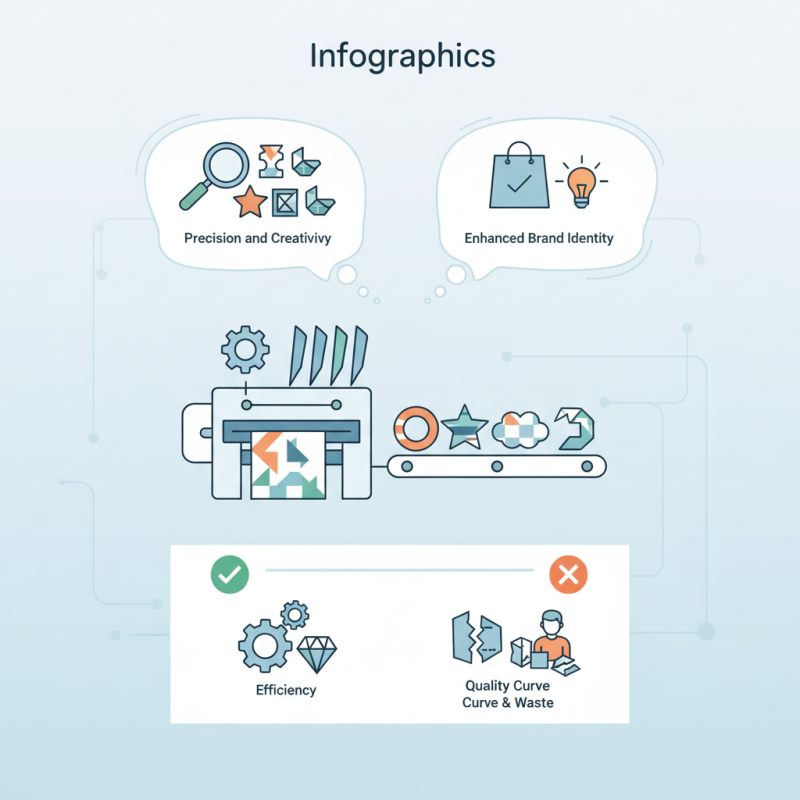
In the world of labeling, "Die Cut Label Printer" technology is revolutionizing how businesses approach packaging. Experts like Emily Johnson, a leading figure in label design, state, "Die cut labels offer precision and creativity like never before." This innovation allows for intricate shapes and custom designs that enhance brand identity.
Manufacturers now seek efficiency and uniqueness. A die cut label printer excels in both. It uses sharp dies to cut through various materials, crafting labels tailored to specific needs. The process is straightforward yet brilliant. It permits intricate designs that standard printers cannot achieve.
However, challenges remain in the die cut label industry. Not all printers deliver the same quality. Poorly cut labels can ruin a brand's presentation. It's essential to choose equipment wisely. Additionally, the learning curve can be steep for new users. The potential for waste during testing and setup is a reality many face. Despite these obstacles, the advantages of a die cut label printer continue to draw attention.
What is a Die Cut Label Printer?
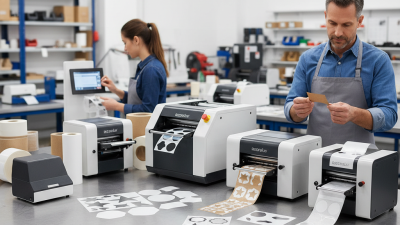
A die cut label printer is a specialized machine that creates custom-shaped labels. These printers use a cutting die to produce unique designs. They can handle various materials, including vinyl, paper, and synthetic substrates. A wide range of sizes and shapes can be achieved, allowing for creativity in label design.
Using a die cut label printer is straightforward but requires attention to detail. Once the design is complete, it's sent to the printer. The machine then cuts the label while adhering to the chosen specifications. It’s essential to ensure that the design is precisely aligned with the die. Any mismatch can lead to wasted materials and time. During the printing and cutting process, users should closely monitor the operation. This helps identify any potential issues early.
Not everything goes perfectly with these printers. Some users may find that their labels do not cut as expected. Adjustments may be needed, and this can be frustrating. Over time, operators can learn to improve accuracy and efficiency. Regular maintenance is crucial, yet often overlooked. Keeping the printer clean and in good condition can significantly enhance output quality.
What is a Die Cut Label Printer and How Does It Work?
| Feature |
Description |
| Printing Technology |
Uses thermal or inkjet technology for high-quality prints. |
| Die Cutting Process |
Shapes labels precisely using a custom die to achieve unique forms. |
| Materials Supported |
Compatible with various materials like paper, vinyl, and polyester. |
| Print Resolution |
Offers resolutions typically around 300 dpi for crisp text and images. |
| Speed |
Can produce labels at speeds ranging from 4 to 12 inches per second. |
| Applications |
Widely used in packaging, product labeling, and crafts. |
| Software Compatibility |
Supports design software like Adobe Illustrator and CorelDRAW. |
| Usage Level |
Ideal for both small businesses and larger manufacturing operations. |
Key Components of a Die Cut Label Printer
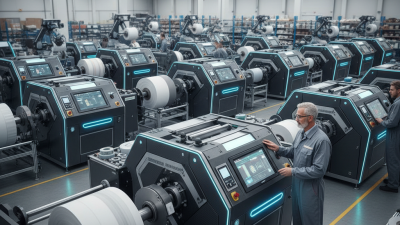
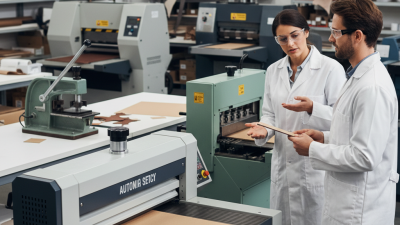
A die cut label printer creates precise labels in various shapes. It uses a sharp blade to cut through materials like vinyl or paper. The key components of this printer are the cutting die, print head, and the media feed. Each has its role in ensuring high-quality labels.
The cutting die is a metal form that outlines the label shape. It is essential for achieving clean edges. You can create custom shapes with ease. The print head applies ink or thermal transfer onto the label surface. High-resolution printing can make the designs stand out. The media feed transports the label material, ensuring smooth operation.
Tips: Choose the right media for your projects. Some materials work better with certain inks. Regularly clean the printer to avoid malfunctions. This keeps the output consistent. Experiment with different shapes and sizes. Finding the right fit can enhance your branding efforts.
The Die Cutting Process Explained
Die cutting is a precise method used to create custom shapes for labels. The process begins with a die, which is a metal plate with a sharp edge. This die is shaped according to the desired label design. When used with a printer, it cuts through the material accurately.
The material is placed under the die and pressed down. This pressure causes the die to slice through the label stock. It's important to ensure that the material is properly aligned. Otherwise, errors can occur. Sometimes, the cutting may not be perfect, leading to uneven edges or misaligned patterns. Adjustments are often needed to achieve ideal results.
After the cutting, the labels are ready for printing. This step involves applying colors and text to the shaped labels. Sometimes, the colors don't match expectations, requiring more trial runs. Each stage is crucial for creating high-quality labels. Observing the die cutting process can reveal areas for improvement.
Applications and Uses of Die Cut Label Printers
Die cut label printers are becoming essential tools in various industries. These printers create custom labels by cutting them into specific shapes. This capability opens up numerous applications. Many businesses use die cut labels for branding. Unique shapes attract customers' attention. Product packaging often includes these labels to enhance aesthetics.
Another significant application is in inventory management. Custom labels help in tracking products quickly. Retailers can use these labels for pricing, making items easy to identify. In the food industry, die cut labels are vital for compliance. They can convey essential information, like nutritional facts, clearly and effectively.
However, using die cut label printers isn't always perfect. Creating a new design can be challenging. Companies may spend too much time on adjustments. Sometimes, even minor errors can lead to wasted materials. It’s essential to consider efficiency during the labeling process. Balancing creativity and practicality can be tricky. Adjustments should reflect actual needs rather than just aesthetic choices.
Applications of Die Cut Label Printers
Benefits of Using Die Cut Label Printers for Businesses
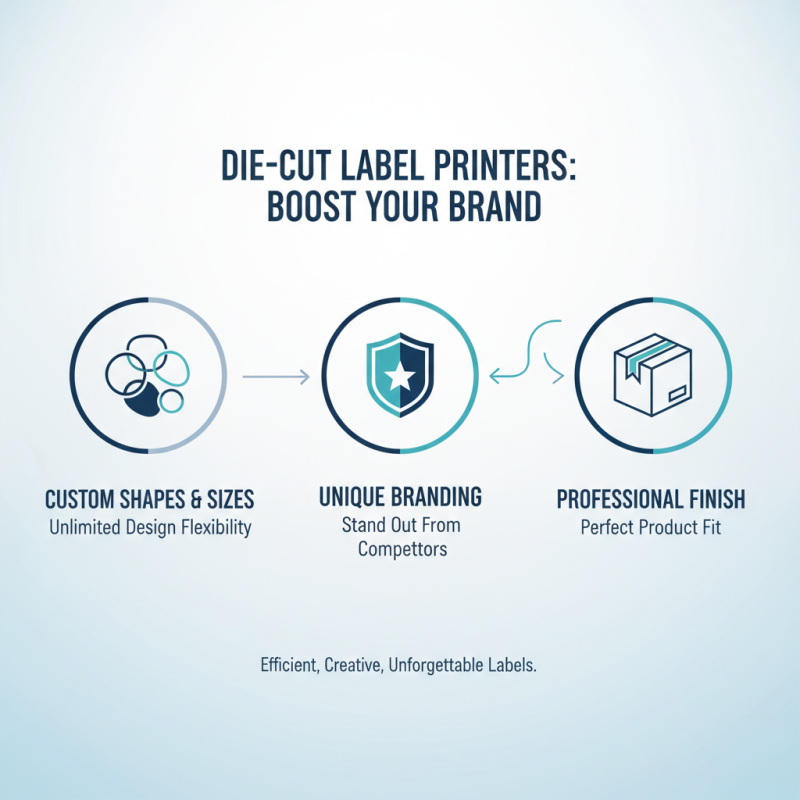
Die cut label printers provide businesses with an efficient way to create custom labels. They can produce labels in any shape or size, offering flexibility in design. This unique capability allows for more creative branding. For example, a start-up might choose a distinctive silhouette to stand out from competitors. Labels can be designed to fit products perfectly, ensuring a professional look.
Using a die cut label printer also boosts productivity. Businesses can print labels in bulk, saving time and resources. This efficiency is particularly beneficial for seasonal promotions or new product launches. However, there may be initial setup costs and a learning curve for staff. Still, these printers often lead to lower long-term expenses because they reduce waste.
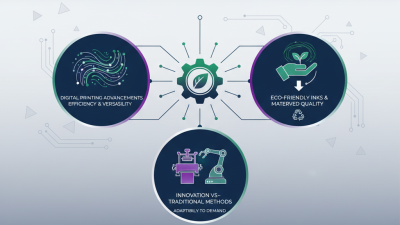
Moreover, businesses can adapt quickly to market changes. Customizing labels swiftly allows for responding to customer feedback. Companies can tweak designs based on trends or events. This adaptability is vital in today’s fast-paced market. However, some may find it challenging to keep up with constant changes. Balancing innovation with consistency can be tricky. Embracing these challenges can lead to remarkable growth.

 Contact immediately

 Contact Phone
 Contact Email