Contact immediately


Choosing the right printing machine for your specific needs can be a daunting task. With various models and features available, it’s essential to reflect on what you truly require. For instance, a machine may offer advanced capabilities, yet not all of them might suit your projects.
Consider factors such as print quality and speed. These attributes can significantly impact your productivity. A slower machine may not meet the demands of a busy environment. Similarly, while some machines boast high resolutions, they might come with a steep price tag.
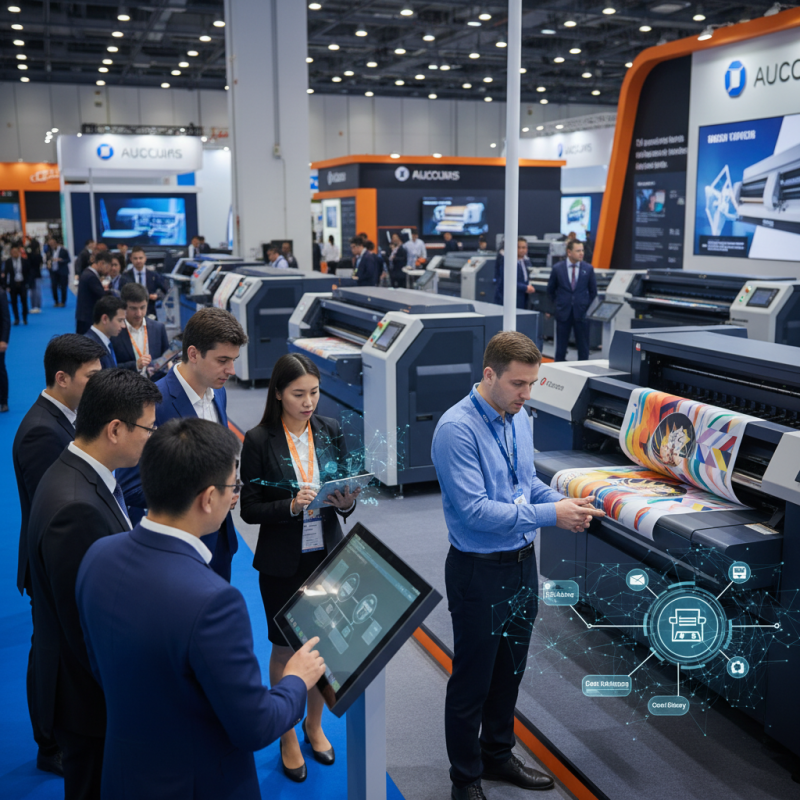
Imagine navigating through trade shows like the upcoming Canton Fair, where technology like AI helps businesses find the right suppliers efficiently. Just as you would use these tools to find your preferred printing machine, you must evaluate which features align with your requirements. Think critically about your choices, and remember that the right fit can streamline your operational workflow.
Choosing the right printing machine requires a deep understanding of your specific needs. What type of materials do you plan to print on? Are you focusing on quality, speed, or volume? These questions form the foundation of your requirements. Consider how often you’ll use the machine. Daily tasks may require a more robust model.
It’s essential to examine the volume of printing you need. If your projects are infrequent, a basic model might suffice. For consistent high-volume tasks, however, investing in a more advanced machine is crucial. Remember, the costs of printing don’t stop at purchase. Maintenance and supplies can add up significantly.
Evaluate your space as well. Some printers are compact, while others require dedicated areas. Picture your workspace and where the machine will fit. It can help to sketch out a layout. Take the time to research specifications. Understand the capabilities of different machines before making a decision. This insight can prevent buyer's remorse later on.
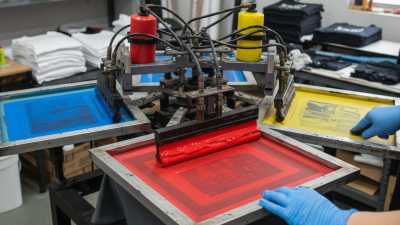
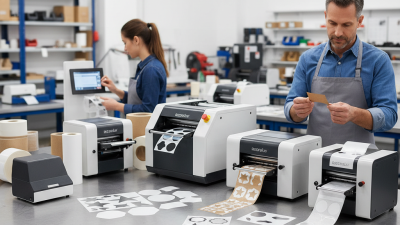
When evaluating different types of printing machines, understanding your needs is crucial. There are various machines available, each suited for different applications. For example, digital printers are ideal for short runs and quick turnarounds. They offer flexibility and efficiency but might not be cost-effective for large volumes. Reports indicate that digital printing has grown by over 20% annually due to increasing demand.
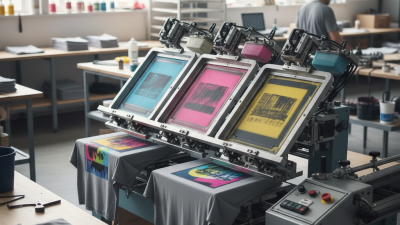
On the other hand, offset printers excel in high-volume production, delivering consistent quality and lower per-unit costs. However, their initial setup is time-consuming, which can lead to delays. It's essential to weigh the trade-offs. Large printing houses often prefer offset due to its economy of scale, but smaller businesses might struggle with its complexities. Also, new technologies are emerging rapidly. Keeping up with innovations can be challenging.
Additionally, consider factors like maintenance and ease of use. Some machines require extensive training, causing potential downtime. According to industry surveys, nearly 30% of printing companies report frequent breakdowns in older equipment. Hence, investing in user-friendly options can save time and money in the long run. Your choice of machine should align with your specific operational needs and growth plans.
When choosing a printing machine, key specifications matter. Start with print resolution. Higher resolutions provide sharper and more vibrant images. If you print detailed graphics, this becomes crucial. A machine offering at least 1200 dpi is recommended for high-quality prints.
Consider print speed as well. Some machines can handle multiple pages per minute. If you frequently print large volumes, speed will save time. Look for a model with variable speed settings to match different tasks. Additionally, examine the paper handling capacity. A printer that can hold more sheets reduces the frequency of reloading.
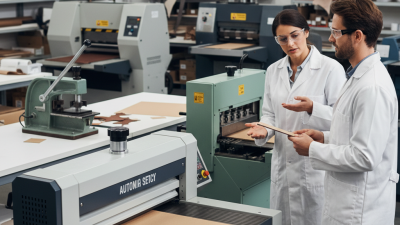
Don't overlook connection options. Wireless printing can improve accessibility. However, some users find wired connections more reliable. It's also essential to think about maintenance requirements. Regular upkeep can affect performance. A machine that is too complex may lead to frustration over time. Make sure to weigh these aspects carefully in your selection process.
| Specification | Description | Importance |
|---|---|---|
| Print Quality | Resolution (DPI) affects the precision of images and text. | High importance for professional print jobs. |
| Printing Speed | Measured in pages per minute (PPM), impacting productivity. | Important for high-volume printing. |
| Media Compatibility | Ability to print on various materials (paper, vinyl, etc.). | Critical for diverse printing needs. |
| Cost of Ownership | Includes initial purchase price and operating costs. | Very important for budget-conscious buyers. |
| Connectivity Options | Wi-Fi, USB, Ethernet for network printing. | Useful for flexible office setups. |
| User Interface | Ease of use, touchscreen, or physical buttons. | Important for efficient operation. |
| Durability | Build quality and expected lifespan of the printer. | Crucial for heavy usage environments. |
| After-Sales Support | Access to help, repairs, and maintenance services. | Important for long-term usability. |
| Energy Efficiency | Power consumption rates and energy-saving features. | Gaining importance in eco-friendly practices. |
| Brand Reputation | Customer reviews and market presence. | Helps gauge reliability and performance. |
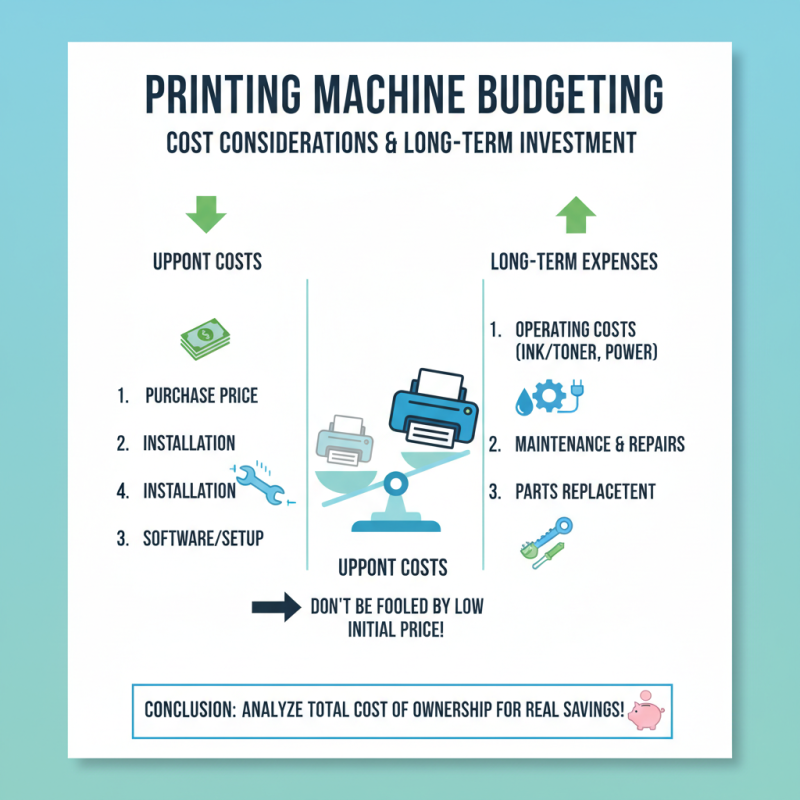
Choosing the right printing machine can be tough. Budgeting is crucial. You need to analyze both upfront costs and long-term expenses. Think about operating costs, maintenance, and part replacements. A cheap printer may save money initially, but it may cost more over time.
Consider the cost of consumables, like ink and paper. Some machines use more ink, increasing your expenses. You might think you found a great deal at first. However, hidden costs could add up quickly. Researching different models is essential. Read reviews and seek advice from users.
Reflect on how often you will use the machine. A machine for occasional use should have different features than one for daily tasks. Think about your specific needs. You might discover that a more expensive model fits better in the long run. Wrong choices can lead to regrets. So take time to choose wisely and invest in something that truly meets your needs.
When selecting a printing machine, it's crucial to consider
maintenance and support options. Regular upkeep is essential for longevity.
A well-maintained machine produces consistent print quality. Neglect can lead to
breakdowns and costly repairs. Look into how often parts need replacing and whether they are easy to obtain.
Difficult maintenance can frustrate users and cut into productivity.
Support services also play an important role. Good customer service can make a big difference during a crisis.
Check if they offer 24/7 support or on-site assistance. A quick response can reduce downtime significantly.
Read reviews to gauge others’ experiences with the service provided. Not all companies meet expectations.
Don't forget user training. Machines can be complex. Understanding their operation ensures they function correctly.
Inadequate training can lead to misuse and increased wear. Invest time in proper training for your staff. Reflecting
on these aspects can help you choose a machine that will serve you well for years to come.