10 Essential Tips for Using Automatic CNC Machines Effectively?
In the rapidly evolving world of manufacturing, the Automatic CNC Machine stands out as a game-changer. Experts like Dr. Emily Zhang, a leader in CNC technology, emphasize its potential, stating, "The efficient use of Automatic CNC Machines can dramatically reduce production time while improving accuracy."
As industries increasingly adopt automation, understanding how to optimize these machines becomes crucial. Effective use not only boosts productivity but also enhances the overall quality of output. Many operators face challenges in achieving this efficiency. Misunderstandings about machine capabilities or programming intricacies can lead to wasted resources and time.
Navigating the complexities of Automatic CNC Machines requires a blend of skills, knowledge, and practice. There is often room for error, which prompts the need for continued learning. Realizing that mistakes can be stepping stones to mastery is essential. With the right mindset and techniques, operating these machines can transform production practices and set the stage for innovation.
Understanding the Basics of CNC Machine Operation and Settings
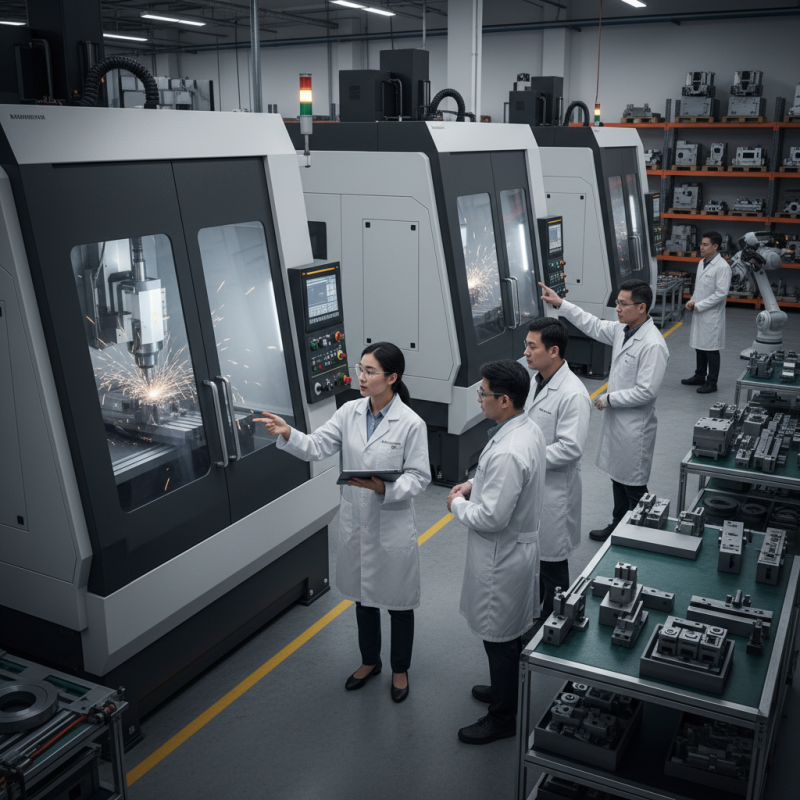
Understanding the operation and settings of CNC machines is crucial for maximizing efficiency. According to industry reports, nearly 70% of downtime in CNC operations is linked to improper settings. A good grasp of basic parameters can significantly reduce this issue. For instance, feed rates and spindle speeds must be calibrated for specific materials. Each material has unique properties affecting how it reacts to cutting tools. Incorrect settings can result in poor surface finishes or tool wear.
Equipped with the right data, operators can make informed adjustments. Many factories now utilize CNC simulation software to visualize the machining process. This allows operators to test settings without risk. Interestingly, about 25% of CNC programming mistakes emerge during the setup phase. Through thorough training and simulation, these errors can be minimized. Understanding machine capabilities and limits is vital. Operators must learn common pitfalls, such as overlooking tool changes or neglecting maintenance schedules. Constant reflection on these practices can lead to improved outcomes.
10 Essential Tips for Using Automatic CNC Machines Effectively
| Tip Number |
Tip |
Description |
| 1 |
Understand Machine Basics |
Familiarize yourself with the components of CNC machines. |
| 2 |
Regular Maintenance |
Perform regular checks and maintenance to ensure longevity. |
| 3 |
Use Quality Tools |
Invest in high-quality cutting tools for better performance. |
| 4 |
Optimize Settings |
Adjust speeds and feeds according to the material being used. |
| 5 |
Program Review |
Check program codes for errors before execution. |
| 6 |
Monitor Operations |
Keep an eye on machine operations to detect issues early. |
| 7 |
Safety First |
Always prioritize safety measures while operating machines. |
| 8 |
Training |
Ensure all operators are well-trained on the machinery. |
| 9 |
Keep Clean |
Maintain a clean workspace to prevent tool damage. |
| 10 |
Documentation |
Keep detailed records of setups, operations, and maintenance. |
Choosing the Right Materials for Optimal CNC Machining Results
When choosing materials for CNC machining, the right selection can profoundly impact the final product's quality. According to recent industry reports, around 60% of machining errors stem from material inadequacies. Aluminum, steel, and plastics have their unique properties, which influence cutting speed and tool wear. For example, aluminum offers good machinability but may not withstand higher stresses as well as steel. Choosing the wrong material can lead to costly mistakes.
Understanding material properties is crucial. Hardness affects the tool's longevity. A softer material could prolong the tool's life but may not meet strength requirements. On the other hand, harder materials can wear tools quickly, necessitating more frequent replacements. A study showed that using precision tools with properly matched materials can enhance productivity by up to 40%.
A specific example is using polycarbonate for parts that require impact resistance. Yet, improper machining can lead to cracking. The goal is not just selecting a strong material but also one that is compatible with the machining process. Hence, consideration of the entire production environment is essential for effective results.
Essential Maintenance Practices to Enhance CNC Machine Longevity
Regular maintenance is crucial for extending the life of CNC machines. A well-maintained machine operates more efficiently and produces better-quality parts. Start with daily checks. Inspect belts, lubricate moving parts, and clear debris from the workspace. Missing these small tasks can lead to larger issues over time.
Weekly maintenance should include more thorough cleaning and calibration. Dust and chips can accumulate, affecting precision. It’s essential to keep the coolant systems clean. Dirty coolant can cause corrosion and damage. Pay attention to the machine’s software as well. Regular updates can prevent glitches that disrupt production.
Annual maintenance is equally important. Engage professional services to conduct detailed inspections. They can identify wear and tear that may not be visible. Relying solely on routine checks may miss critical issues. Training staff on maintenance practices adds value. Educated operators can spot problems early, reducing downtime. Ignoring maintenance not only shortens machine life but also affects output quality. Prioritizing these practices fosters reliability.
10 Essential Tips for Using Automatic CNC Machines Effectively
Leveraging Software Upgrades for Improved CNC Efficiency and Output
Software upgrades play a crucial role in enhancing the efficiency and output of automatic CNC machines. Upgraded software introduces advanced features that optimize tool paths and improve precision. This can significantly reduce machining time, resulting in higher productivity. However, using these upgrades effectively requires a solid understanding of both the software and the machinery. Operators must engage in ongoing training to fully grasp these enhancements.
Additionally, it's important to regularly assess the benefits of the latest software. Not every upgrade will suit every application. Some may introduce complexities that require additional training or adaptation. Balancing these factors is vital. A thorough evaluation of each new feature will ensure it aligns with the specific machining needs. Inadequately implemented upgrades can lead to setbacks, such as increased errors or wasted materials.
Ultimately, successful implementation hinges on both technical knowledge and experience. Operators should continuously seek feedback and analyze performance data. This reflective practice helps identify areas for improvement and maximizes the return on software investments. Recognizing the learning curve enhances overall competency in using CNC machines effectively.

 Contact immediately

 Contact Phone
 Contact Email