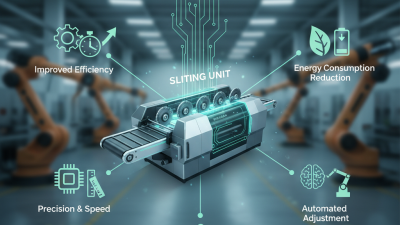
China Top Slitting Rewinding Machine Impact on Flexible Packaging Industry?
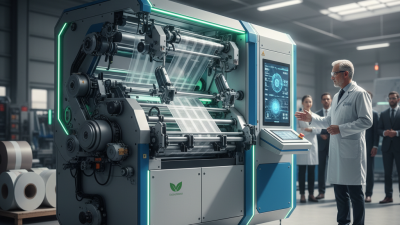
The flexible packaging industry is witnessing significant changes with advancements in technology. One crucial element in this evolution is the Slitting Rewinding Machine. This machine plays an essential role in optimizing production processes for flexible packaging. Its impact is visible in both efficiency and quality enhancements. Companies are increasingly investing in these machines to meet rising demands.
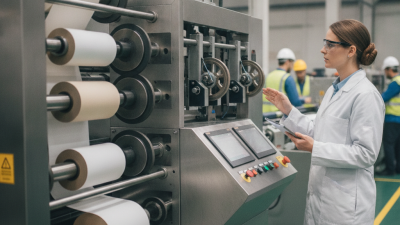
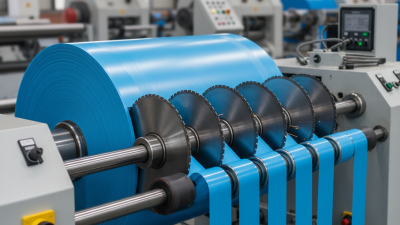
Understanding the functionality of the Slitting Rewinding Machine provides insights into its value. It accurately cuts large rolls of material into smaller ones, facilitating better handling and storage. This precision is vital for maintaining material integrity, which affects the final product. However, not all implementations of this technology have been successful. Businesses must carefully select the right equipment and training for their teams.
The market continues to push for innovations in flexible packaging. While the Slitting Rewinding Machine is a game-changer, challenges remain. These can include initial costs and maintenance issues. Companies must approach these decisions with careful consideration. Balancing technology with practical application is essential for future growth.
Impact of China’s Slitting Rewinding Machines on Flexible Packaging
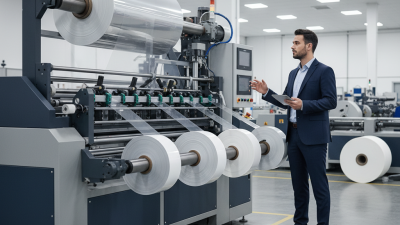
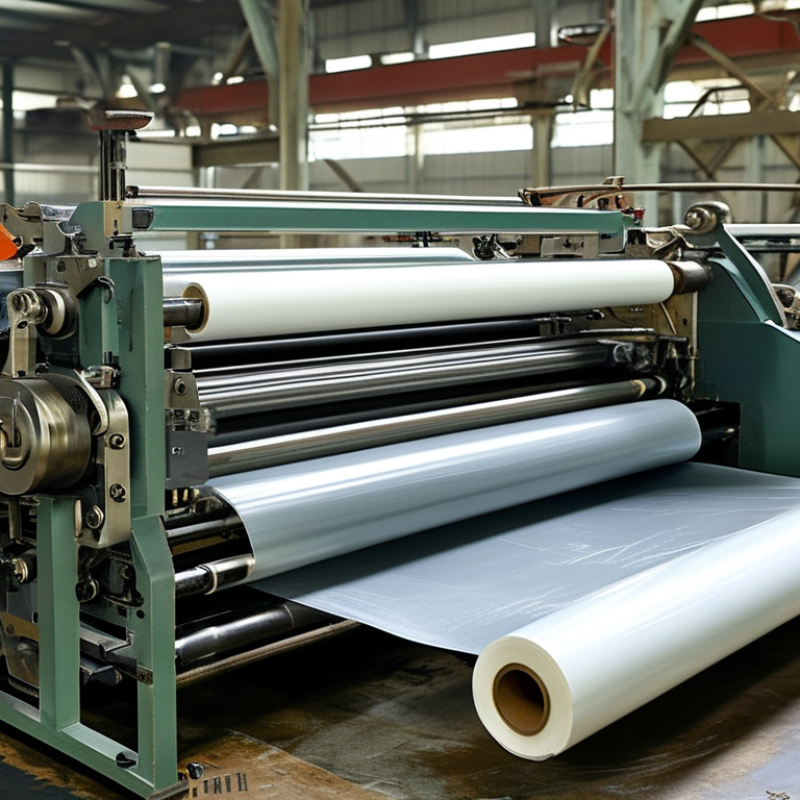
China’s slitting rewinding machines significantly influence the flexible packaging industry by enhancing production efficiency. According to industry reports, the global flexible packaging market is expected to reach $460 billion by 2026. This growth partly results from advancements in machinery, particularly in China. These machines enable manufacturers to convert large rolls of flexible materials into smaller, manageable rolls with precision.
In 2022, the efficiency of slitting and rewinding processes improved by over 30% due to technological upgrades. These advancements resulted in reduced waste and higher output rates. The adoption of automated systems has reduced labor costs by an estimated 20%. However, not all manufacturers have adapted quickly. Some still rely on outdated methods, which can lead to inconsistencies in product quality. Maintaining high standards while improving efficiency is a challenge for the industry.
Chinese machines also offer versatility in handling various materials, from films to paper-based products. This functionality supports a wide range of applications, meeting diverse market demands. However, there are ongoing concerns about the environmental impact of increased production. Addressing sustainability while keeping up with market growth remains a crucial point for manufacturers. As the industry evolves, balancing efficiency with eco-friendly practices will be essential.
Impact of China’s Slitting Rewinding Machines on the Flexible Packaging Industry
Technological Innovations in Slitting Rewinding Machines
The flexible packaging industry is undergoing a transformation, largely driven by technological innovations in slitting rewinding machines. These machines are crucial in producing high-quality flexible packaging materials. Recent reports indicate that the global demand for flexible packaging is expected to reach $300 billion by 2027. This growth places a spotlight on the efficiency and precision of slitting rewinding processes.
Modern slitting rewinding machines incorporate advanced features like automatic tension control and high-speed operation. These innovations enhance productivity and reduce waste significantly. For instance, a recent study highlighted that optimized slitting can minimize material loss by up to 10%. Moreover, the introduction of digital control systems allows for better monitoring and adjustment during production, ensuring consistent quality. However, translating these technological advantages into actual practice remains challenging for many manufacturers.
Despite the advancements, some companies still grapple with integrating new technologies effectively. Transitioning from conventional machines to state-of-the-art models demands investment and training. Industry reports suggest that approximately 40% of manufacturers face issues with staff adaptation. This gap in implementation highlights the need for ongoing education and support, ensuring that technological progress does not outpace the workforce capabilities. It's clear that while the potential is vast, the path to the future still requires careful navigation.
Market Trends: Demand for Flexible Packaging Solutions
The flexible packaging industry is rapidly evolving, driven by changing consumer preferences and sustainability concerns. According to a recent market report, the global flexible packaging market is projected to reach $290 billion by 2025, growing at a compound annual growth rate (CAGR) of over 4%. This growth is largely fueled by the demand for lightweight, eco-friendly packaging materials that improve shelf life and reduce waste.
The rise in online shopping and food delivery services has further accelerated the demand for innovative flexible packaging solutions. Notably, the versatility of slitting and rewinding machines significantly impacts production efficiency in this sector. Industry experts suggest that these machines optimize material usage and reduce production costs. For instance, transitioning to high-speed slitting technology can enhance output by up to 30%. However, manufacturers must also evaluate the environmental implications of their operations, as energy consumption and waste management remain critical challenges.
Sustainability continues to shape market trends, with consumers increasingly favoring biodegradable and recyclable materials. Companies that invest in sustainable practices often see a quicker response from consumers. The challenge lies in balancing efficiency with eco-conscious innovations. As the industry progresses, the push for flexible packaging solutions will test the limits of technology and environmental responsibility.
Cost Efficiency and Production Improvement in Packaging
The flexible packaging industry is evolving. Slitting rewinding machines play a crucial role in this transformation. These machines optimize the cutting and rewinding processes, leading to better material usage. Cost efficiency is a significant concern for manufacturers. Streamlined operations reduce waste and lower production costs, which is vital in a competitive market.
Moreover, production improvement is evident with modern slitting technology. These machines enhance precision, ensuring even thickness across rolls. Increased speed and reduced downtime are other advantages. However, not all machines achieve the desired performance. Choosing the right equipment remains a challenge for many companies. Regular maintenance is also essential to keep machines running optimally.
While the benefits are clear, some aspects need attention. Manufacturers must invest in staff training to maximize machine usage. It is not enough to simply install new equipment. Understanding its features and capabilities is crucial. Without proper knowledge, inefficiencies may still arise. The balance between technology and skilled labor is key to sustained success in the flexible packaging industry.
China Top Slitting Rewinding Machine Impact on Flexible Packaging Industry
| Dimension |
Before Implementation |
After Implementation |
Improvement (%) |
| Production Speed (m/min) |
150 |
200 |
33.33 |
| Material Waste (%) |
10 |
5 |
50 |
| Energy Consumption (kWh) |
500 |
400 |
20 |
| Labor Costs ($/hour) |
30 |
25 |
16.67 |
| Downtime (hours/week) |
10 |
4 |
60 |
Future Prospects of the Slitting Rewinding Market in China
The future of the slitting rewinding market in China looks promising, specifically within the flexible packaging sector. Recent industry reports predict a compound annual growth rate (CAGR) of 5.8% from 2023 to 2028. This growth is driven by increasing consumer demand for flexible packaging solutions. Brands are shifting towards lightweight, sustainable materials that reduce waste.
However, not everything is straightforward. The slitting rewinding technology must evolve alongside the dynamic market needs. Challenges remain in integrating automation and enhancing efficiency. Industry players stress the importance of investing in advanced machinery to maintain competitive edges.
The market faces saturation risks. As more manufacturers adopt similar technologies, differentiation becomes crucial. Those who focus on innovation could carve out distinct channels. Yet, reliance on conventional practices could lead to stagnation. Adapting to changing consumer preferences and technological advancements will be key in navigating this evolving landscape.

 Contact immediately

 Contact Phone
 Contact Email