Why Invest in a Paper Rewinding Machine for Your Business?
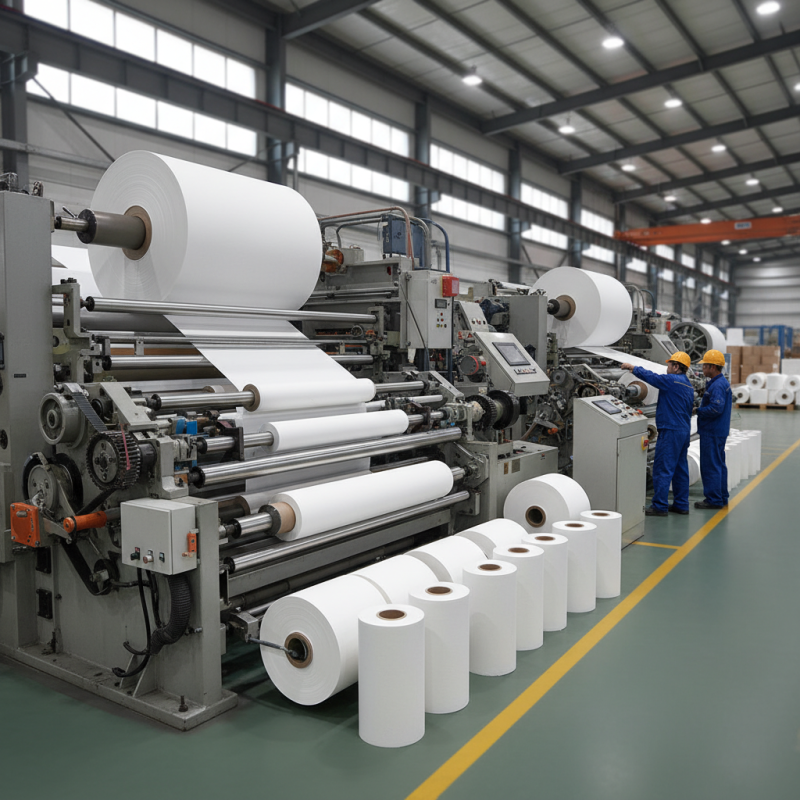
Investing in a Paper Rewinding Machine can significantly enhance your business operations. This equipment plays a vital role in the paper manufacturing process. By converting large rolls of paper into smaller, usable rolls, it adds value and efficiency.
Many industries rely on high-quality paper products. A Paper Rewinding Machine ensures consistent quality control. This consistency is crucial for customer satisfaction and loyalty. It allows businesses to minimize waste while maximizing output. However, not every machine is created equal. Quality and reliability vary across brands, and selecting the right one requires research.
Considering the initial costs, some may hesitate. Yet, over time, the benefits outweigh the investment. A well-chosen Paper Rewinding Machine can lead to substantial savings. Thus, businesses must recognize its importance in remaining competitive in a dynamic market.
Advantages of Using a Paper Rewinding Machine in Businesses
Investing in a paper rewinding machine can significantly enhance your business operations. These machines offer precise rewinding of various paper types, ensuring consistent quality. According to industry reports, businesses with such machines have seen efficiency improvements by up to 35%. This can lead to faster production times and better resource utilization.
Using a paper rewinding machine also reduces waste. Many companies report a decrease in paper remnants by around 20% after implementation. Less waste translates into cost savings and a more sustainable operation. Furthermore, these machines allow for customization. You can adjust paper lengths and roll diameters easily. This flexibility is essential in meeting diverse consumer demands without incurring extra costs.
However, the initial investment can feel daunting. The upfront costs may lead some businesses to hesitate. Maintenance needs and potential downtimes can also pose challenges. It’s vital to weigh these factors against the long-term benefits. Investing in a rewinding machine may not be for everyone, but for those ready to optimize their processes, the advantages can be substantial.
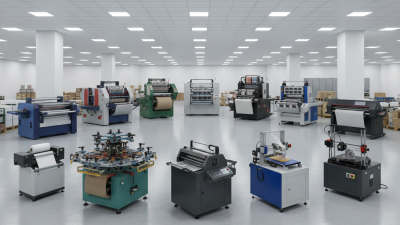
Types of Paper Rewinding Machines Suitable for Various Industries
Investing in a paper rewinding machine can enhance efficiency in various industries. Different types cater to specific needs. For example, a simple rewinder suits smaller printing businesses. It allows for basic functionalities, but may limit output speed. Businesses often need to reassess whether this model can meet growing demands.
On the other hand, advanced machines offer features like automatic tension control. These are ideal for large manufacturers. They improve precision in winding rolls. However, they require more space and budget. It’s essential to weigh the pros and cons of each type before making a purchase decision.
Specialty rewinding machines exist for niche markets, such as labels and medical supplies. These machines often have added functions to handle unique materials. While they can increase productivity, they may also present challenges in maintenance. Consider these factors when evaluating your options.
Why Invest in a Paper Rewinding Machine for Your Business?
| Machine Type |
Application |
Max Roll Width (mm) |
Speed (m/min) |
Price Range ($) |
| Automatic Rewinding Machine |
High-volume production |
1500 |
300 |
10,000 - 15,000 |
| Semi-Automatic Rewinding Machine |
Medium-sized businesses |
1000 |
200 |
5,000 - 8,000 |
| Manual Rewinding Machine |
Small production runs |
700 |
100 |
1,000 - 2,500 |
| Slitter Rewinder Machine |
Specialized for slitting |
1200 |
250 |
15,000 - 25,000 |
| Custom Rewinding Machine |
Tailored solutions for specific needs |
Variable |
Variable |
20,000+ |
Cost-Benefit Analysis of Investing in Rewinding Machinery
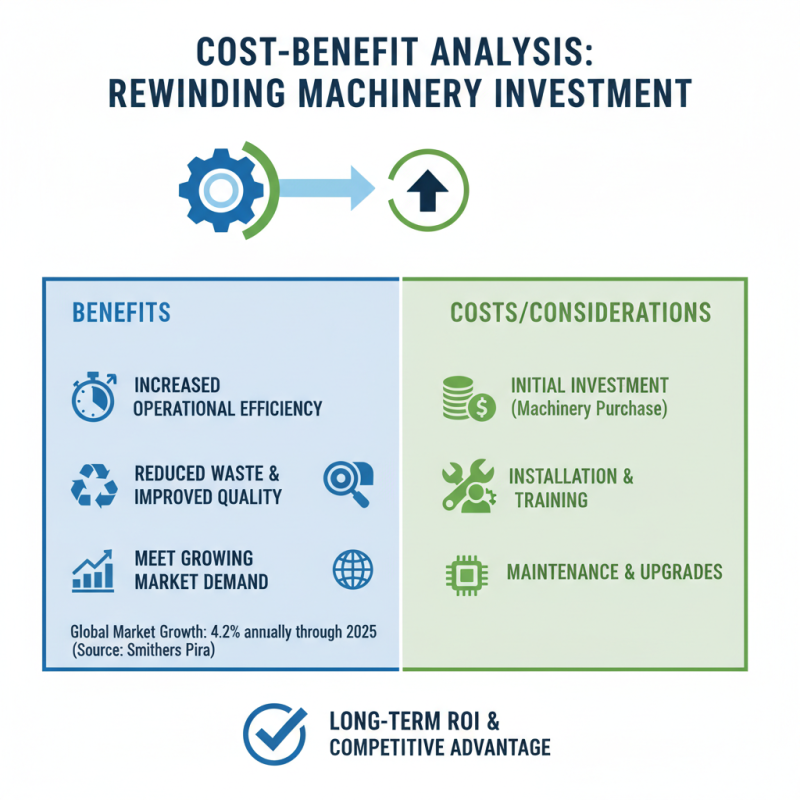
Investing in a paper rewinding machine can significantly enhance operational efficiency. According to a report by Smithers Pira, the global market for paper converting machinery is expected to grow by 4.2% annually through 2025. This growth highlights the increasing demand for high-quality and tailored products. A rewinding machine can streamline production, reduce waste, and improve quality control.
The cost-benefit analysis of this investment reveals compelling data. A study by the Association of Paper Producers found that companies that upgraded their machinery reported a 25% increase in production speed. Faster production leads to lower labor costs and higher profit margins. Additionally, implementing modern technology can reduce paper wastage by up to 30%, a critical factor in today’s sustainability-focused market.
However, the initial purchase cost can be substantial. Businesses should carefully consider their current throughput and future needs. Without adequate planning, a company may find itself with underutilized equipment. Investing in staff training on the new machinery also adds an extra layer of expense. Balancing these factors is crucial for a successful transition to advanced paper rewinding technology.
Factors to Consider Before Purchasing a Paper Rewinding Machine
When considering a paper rewinding machine, a few key factors can guide your decision. First, assess the capacity required for your operations. Each machine varies in speed and output. If your business has fluctuating demand, flexibility in these features is crucial. You might find that one model excels in high volume, while another offers better control for specialty products.
Quality is as important as capacity. Look for machines with robust construction and reliable components. A reliable machine reduces downtime and maintenance costs. Additionally, think about the ease of operation. A complex interface can lead to operator errors, impacting production. Training your staff should be a priority, which adds to overall costs.
Cost is always a factor. What is your budget? Sometimes, lower-priced machines compromise on performance or durability. It’s essential to balance initial expenditure with long-term value. Research user reviews to gauge reliability. They often reveal potential issues not mentioned in specifications. Keep in mind, investing time in understanding your needs can lead to better equipment choices.
Maintenance and Care Tips for Efficient Operation of Rewinding Machines
Proper maintenance of your paper rewinding machine is crucial for efficient operation. Regular cleaning is an essential task. Dust and paper debris can accumulate and hinder performance. Use a soft cloth to wipe down the machine's surfaces weekly. Pay attention to the rollers, as they often get sticky from adhesive residues. A clean machine operates at peak efficiency.
Check all components frequently. Look for wear signs, like frayed belts or loose screws. These issues can lead to operational failures. A small oversight might cause delays in production. Regular lubrication is equally important. Ensure that moving parts are well-greased to prevent overheating. An overheated machine can break down unexpectedly, causing costly repairs.
Don't forget to keep a maintenance log. Documenting repairs and replacements helps track your machine’s health over time. Neglecting this simple practice can lead to recurring problems. Reflect on your maintenance routine frequently. Are you proactive enough? Small adjustments can lead to significant improvements in performance and lifespan.
Investment in Paper Rewinding Machines: Statistical Overview

 Contact immediately

 Contact Phone
 Contact Email