What is Letterpress Press and How Does It Work?
The "Letterpress Press" is a fascinating printing technique with a rich history. According to expert Jane Smith, "Letterpress printing connects us to the tactile quality of words." This technique uses a relief printing method, where raised type or images are inked and pressed onto paper.
The result is a unique texture and depth. Each print reflects the nuances of the process. Many artists and printers have revived this traditional craft, celebrating its imperfections. Each piece tells a story of its creation.
In a digital age, the "Letterpress Press" stands out. The craftsmanship allows for a personal touch often lost in modern printing. Yet, it demands patience and skill. Mistakes can happen easily, promoting reflection and growth in the craft. As we explore this art form, we encounter both beauty and challenges. The journey of mastering letterpress is as enriching as the prints it produces.
What is Letterpress Printing?
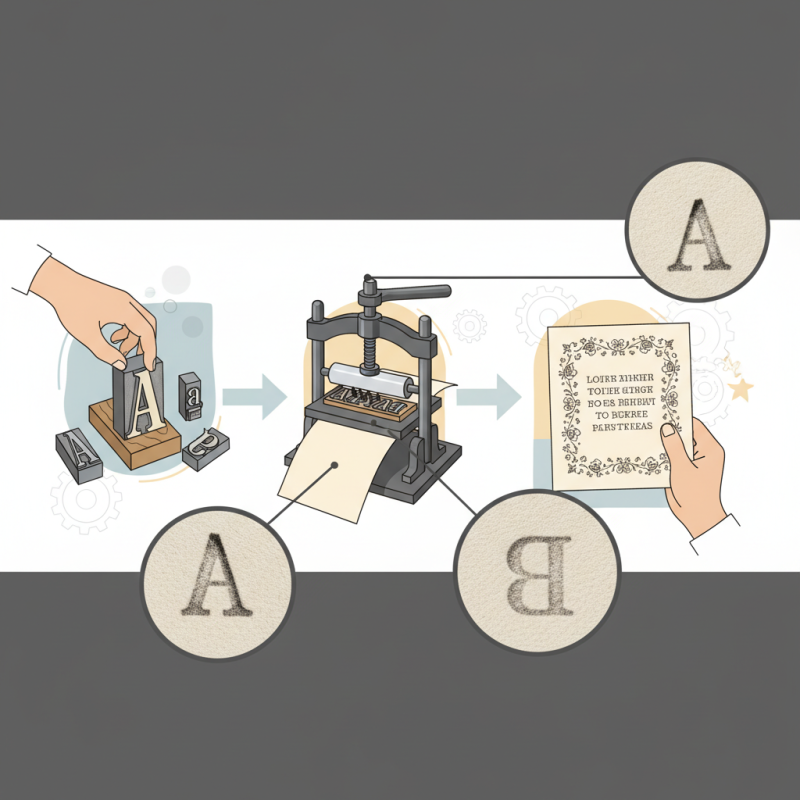
Letterpress printing is an age-old method that combines art and craft. It involves raised designs on a surface, usually metal or wood. Ink is applied to these surfaces. Then, paper is pressed against them. The result is a tactile experience with rich textures. Many love working with letterpress for its unique imperfections. Each print can vary slightly, adding character and charm.
While letterpress may seem simple, achieving the perfect print requires practice. One common challenge is ink consistency. Too much ink leads to smudges. Too little results in faded impressions. Experimenting with different pressures and speeds can help. Inconsistencies often reveal creativity, so don't be afraid to embrace them.
Tips: Always start with scrap paper to test your designs. This saves time and reduces frustration. Keep your workspace well-organized. A cluttered area can lead to mistakes. Have fun with designs, but remember that each print tells a story. Embrace the quirks and imperfections that make letterpress truly special.
The History and Evolution of Letterpress Techniques
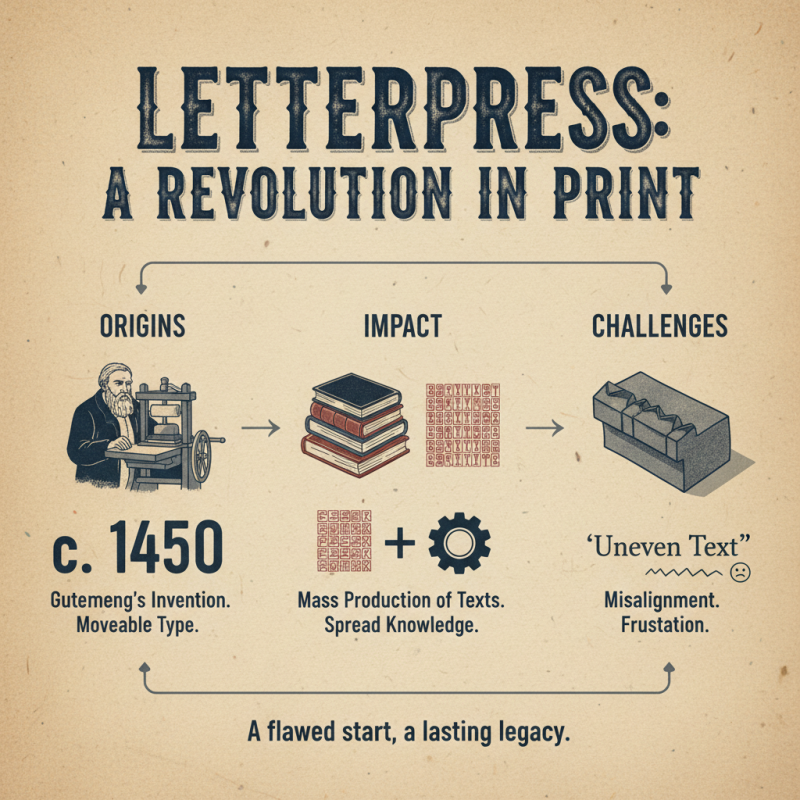
The history of letterpress techniques traces back to the mid-15th century. Johannes Gutenberg's invention revolutionized printing. It enabled mass production of texts. However, it's not without flaws. Early letters were often misaligned. This created uneven text that could frustrate printers.
As time progressed, the craft evolved. Flatbed presses introduced in the 19th century improved reliability. Printers could work faster and with more precision. Yet, even with advancements, many machines required constant attention. Each print run demanded careful adjustments. Minor errors could lead to a complete waste of materials.
In the digital age, letterpress faced threats. Modern printing methods gained popularity quickly. Nevertheless, the tactile quality of letterpress has enduring appeal. It invites a sense of craftsmanship not found elsewhere. Yet, some techniques may feel outdated today. The challenge is balancing tradition with modern needs.
How Letterpress Printing Works: Key Components Explained
Letterpress printing is a fascinating technique that dates back centuries. Its charm lies in the tactile quality it imparts to paper. The process starts with metal or wooden type blocks. These blocks are arranged to form the desired text and images. Once set, they are coated with ink. An important component is the press itself. This machine applies pressure, transferring ink from the type to the paper.
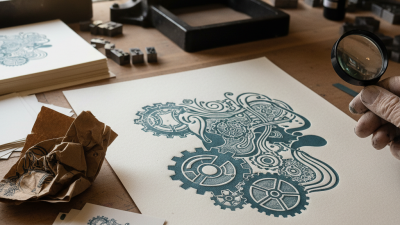
Each print is a unique work of art. The depth of the impression can vary, leading to subtle differences. This adds character, but it can also lead to inconsistencies. A perfect print sometimes feels like a dream. The ink can smudge, or the pressure might be uneven. The beauty of letterpress lies in its imperfections. Each mistake tells a story. When creating, one must embrace these quirks.
In addition to the type, other elements play a role. Plates, as well as rollers, are crucial for ink distribution. The choice of paper can influence the final result. Some papers absorb ink better than others. Thick papers create a different texture. Letterpress printing invites curiosity and experimentation. Each project challenges the creator to confront their expectations. It’s an evolving journey with countless possibilities.
Benefits of Using Letterpress Printing in Modern Design
Letterpress printing, a technique dating back to the 15th century, is experiencing a revival in modern design. This method provides a tactile quality that digital printing often lacks. According to a report from the Fine Press Book Association, letterpress is being embraced for its unique aesthetic appeal. The distinct impressions created by the printing plates add depth to the designs. This tactile experience engages the audience in a way that a flat print simply cannot.
Using letterpress can also enhance brand identity. A study by the American Institute of Graphic Arts found that 70% of consumers believe print design signals quality. This perception can be pivotal for businesses aiming to stand out in a crowded market. The human touch involved in letterpress – the ink on paper, the slight variations – adds a personal element. Yet, it requires meticulous planning and can be time-consuming. It challenges designers to think critically about their choices.
Despite its many benefits, there are drawbacks to consider. The cost of materials and setup can be higher than digital printing. Not every project may benefit from this method, and this poses questions for designers. Balancing uniqueness with practicality is essential. In a fast-paced world, letterpress forces one to slow down and appreciate craftsmanship.
Applications of Letterpress Printing in Various Industries
Letterpress printing holds a unique position in several industries today. Its deep, tactile impression creates a distinct aesthetic that many find appealing. In the publishing world, letterpress is often used for fine art books and limited editions. The texture of the paper and ink brings words to life in a way that digital printing cannot replicate. Readers often comment on the feel of letterpress pages, appreciating the extraordinary craft.
In the realm of stationery, letterpress shines brightly. Wedding invitations, greeting cards, and business stationery enjoy the depth of color and design. Couples sometimes choose this method for its timeless elegance. However, the process can be labor-intensive. Each design must be carefully set and printed by hand. This leads to variations, which some may see as imperfections. Yet, those inconsistencies add to the charm and character of each piece.
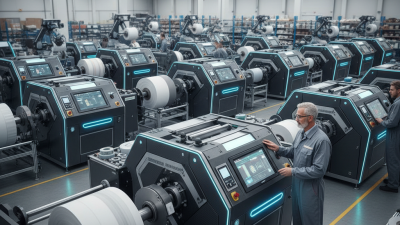
Packaging design also embraces letterpress. Artisan food brands and boutique products use it to convey authenticity. The tactile quality enhances the customer experience. Yet, the limitations are evident. High-volume production remains a challenge. The meticulous nature of letterpress can deter some businesses. They may prefer efficiency over the craft. Ultimately, letterpress continues to find its niche in a rapidly digitalizing world.
Applications of Letterpress Printing in Various Industries

 Contact immediately

 Contact Phone
 Contact Email