Contact immediately


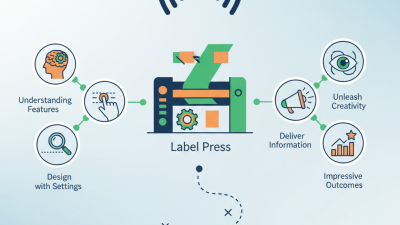
In the fast-evolving world of printing, optimizing your Label Press is essential. Efficiency in this area can dramatically enhance print quality and productivity. Many businesses struggle with this optimization. Understanding your machine’s capabilities can lead to better outcomes.
Label Press technology has advanced significantly, yet many operators overlook key features. This oversight can result in wasted materials and time. An effective strategy involves regular maintenance and calibration. Investing time in training can also pay off significantly, improving your team's competency.
Moreover, experimentation plays a critical role in achieving excellent results. Testing various settings can reveal what works best for your specific needs. Learning from mistakes is crucial. Each label you produce is an opportunity for growth and refinement. Embrace the process, and make adjustments as needed.
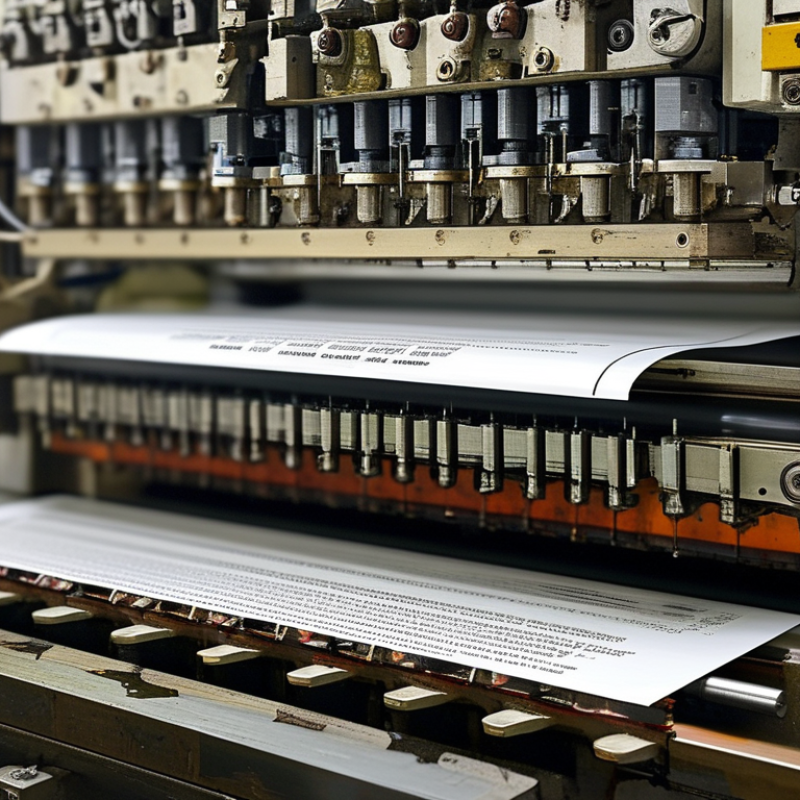
In 2026, optimizing your label press is more crucial than ever. The industry constantly evolves, and with advancements in technology, printing quality expectations increase. However, many operators overlook critical aspects that can dramatically enhance efficiency and output quality.
Proper calibration is essential. Regularly checking the print head alignment and ink density can prevent serious quality issues. Sometimes, small adjustments are needed. If colors aren't vibrant, consider the ink's age or the compatibility with substrates. Additionally, operators must maintain cleanliness; residue can affect the print clarity. A neglected press can lead to unsatisfactory results, reflecting poorly on your work.
Investing in training for operators can also yield substantial benefits. The knowledge gained empowers them to identify and troubleshoot issues swiftly. Yet, not all training is created equal. Tailoring knowledge-sharing to specific equipment can be more effective than generic sessions. Consider peer training to foster collaboration. Reflecting on past mistakes in label printing can guide better practices going forward. Balancing technology with human expertise is key.
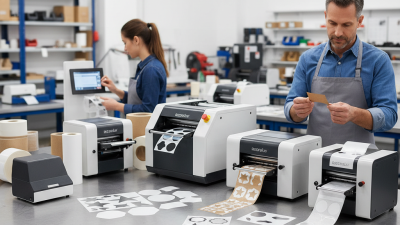
When considering the key components of a high-performance label press system, attention to detail is crucial. The press must integrate various technologies seamlessly. High-quality printing heads play a vital role. These heads determine the resolution and clarity of each label. A reliable ink delivery system ensures consistent color and pigment flow. Skimping on this can lead to uneven prints.
Another essential component is the software. It controls everything from design to production speed. An intuitive interface guarantees usability for operators. If the software is outdated, it may lead to inefficiencies. Operator training is often overlooked but is a game-changer. Skilled staff can minimize downtime and errors.
Blank material quality also impacts results. Using subpar substrates can result in poor adhesion and fading. Each type of label requires compatibility. Testing various materials can lead to better outcomes. Remember, no system is foolproof. Regular maintenance is needed to keep everything running smoothly. Small adjustments can prevent major issues down the line. Consider periodic evaluations to identify areas for improvement.
| Component | Description | Importance Level (1-5) | Maintenance Frequency |
|---|---|---|---|
| Printhead | The component that applies ink to the substrate | 5 | Weekly |
| Cutter | Cuts labels to the desired shape and size | 4 | Monthly |
| Rollers | Ensure smooth feeding of media | 3 | Bi-weekly |
| Ink System | Supplies ink to the printhead | 5 | Weekly |
| Control System | Manages all operations of the press | 4 | Annually |
Achieving optimal print quality involves several key techniques. Understanding how ink and substrate interact is essential. Research from the Printing Industries of America states that around 30% of print defects are related to substrate selection. Choosing the right materials can prevent many issues, like ink bleeding or inadequate adhesion. Testing various substrates helps identify the best match for your ink type.
Another critical factor is maintaining equipment. Regular calibration and cleaning help ensure consistency. Studies show that poorly maintained presses can see a reduction in print quality by up to 40%. Calibration checks should include alignment and color registration. Implement a routine that your team can adhere to.
Optimizing ink viscosity also impacts print quality. According to the International Journal of Print Engineering, a variance of just 5% in viscosity can lead to significant output differences. Regularly monitoring ink viscosity ensures that the printing process remains stable. Addressing these areas creates a more reliable production environment and enhances final results. Striving for perfection is vital, but recognizing potential flaws is equally important.
Maintaining your label press is crucial for achieving long-term efficiency. Regular care can prevent issues that lead to poor print quality. Simple daily checks, like inspecting ink levels and cleaning the print heads, can go a long way. Experienced operators understand that neglecting these tasks often results in costly downtime.
Keeping your label press well-calibrated is essential. Over time, settings can drift, causing inconsistent results. Routine maintenance should include recalibrating the press’s settings and ensuring alignment is perfect. This can improve both speed and accuracy. However, many overlook this step, leading to dissatisfaction with the print quality.
Don’t forget about the mechanical parts. They need regular inspection and lubrication. Dried or worn parts can affect the press's efficiency. A press that runs smoothly will save you time and materials in the long run. Operators frequently find themselves frustrated by mechanical failures that could have been prevented with timely upkeep. Recognizing the importance of maintenance can transform your printing results.
As the label printing industry evolves, embracing new technologies is crucial. Advanced tools can enhance accuracy and efficiency. Digital printing technology, for instance, allows for quicker turnaround times. However, not all innovations fit every business. Evaluating new solutions must be done with caution.
Consider automation as a valuable addition. It reduces human error and streamlines processes. Yet, automation requires a deep understanding of existing workflows. Training staff can be a hurdle. Sometimes, the cost of new technology outweighs its benefits. Reflecting on past experiences can guide smarter investments.
Sustainability is another key focus. Eco-friendly materials and energy-efficient printers are gaining traction. While they align with modern values, businesses must assess their feasibility. Transitioning can pose challenges. An organization should weigh its resources and commitment to change. Balancing innovation and practicality is essential for future-proofing your label printing solutions.