inquiry
Leave Your Message

China Top 10 Paper Rewinding Machine Manufacturers?

China’s paper-converting sector includes manufacturers serving packaging, printing, tissue, and specialty-paper markets. This article examines ten leading Chinese Paper Rewinding Machine manufacturers through practical, measurable criteria. The evaluation considers machine stability, rewinding width, production speed, tension control, slitting accuracy, automation, and after-sales support.

Paper quality is not protected by speed alone. A rewinder must control web tension across changing roll diameters. It must also prevent telescoping, wrinkles, loose edges, and uneven hardness. These details appear clearly during daily production. They matter more than attractive brochures.

Printing technology specialist Dr. Helmut Kipphan has emphasized, “The quality of a printed product is determined by the entire production process.” This principle also applies to rewinding. A reliable Paper Rewinding Machine should support consistent output from the first roll to the last. Operators should find the controls clear, responsive, and safe. Maintenance teams should access knives, shafts, sensors, and pneumatic components without unnecessary delays.

The manufacturers discussed here are not ranked only by company size. Their equipment design, engineering experience, customization ability, export record, and service response also receive attention. Factory visits, technical documents, customer feedback, and application data can strengthen the comparison. However, public information is sometimes incomplete. Some performance claims need independent verification.

No ranking is perfectly universal. A tissue producer may value softness control, while a packaging converter may prioritize high tension stability. Buyers should compare actual substrate requirements, core sizes, roll diameters, labor conditions, and expected capacity before choosing a supplier. This introduction provides a practical starting point, not an unquestionable verdict.
China Top 10 Paper Rewinding Machine Manufacturers?

What Is a Paper Rewinding Machine and How Does It Work?

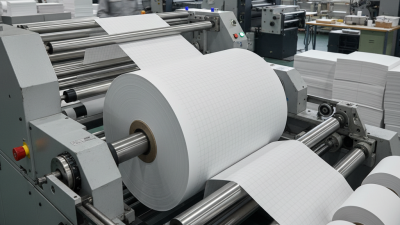
A paper rewinding machine converts large parent rolls into smaller, usable rolls with controlled width and tension. It is common in tissue, printing, packaging, and specialty paper production. The machine usually includes an unwinding stand, tension system, slitting knives, winding shafts, and control sensors.

The process begins when the parent roll is mounted on the unwind section. The paper travels through guide rollers while sensors regulate tension. Too much tension can stretch or break the web. Too little tension creates wrinkles and loose edges. Slitting knives then divide the web into selected widths. Rewinding shafts form new rolls around paper cores, while a pressure roller helps maintain firm, even layers.

Small details matter.

Operators should check core alignment, roll hardness, paper moisture, and knife sharpness before production. A misaligned core may produce a cone-shaped roll. Dust near the sensors can also cause unstable tension readings. In practical factory work, recording these adjustments helps technicians identify repeated faults instead of guessing.

A machine can appear efficient while hiding waste. That assumption is risky. Buyers comparing China’s top paper rewinding machine manufacturers should examine tension accuracy, speed stability, safety protection, spare-part access, and technical training. Trial production is valuable because different paper grades respond differently. A design suitable for lightweight tissue may perform poorly with coated paper or dense kraft stock. Reliable evaluation requires measured samples, clear specifications, and inspection records.
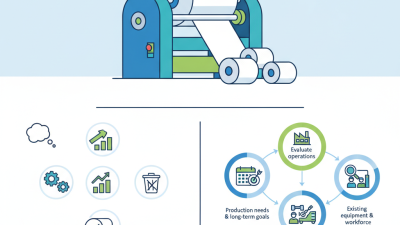
China Top 10 Paper Rewinding Machine Manufacturers — Typical Machine Capabilities

What is a paper rewinding machine and how does it work?

A paper rewinding machine unwinds a parent roll, controls web tension, slits or trims the paper when required, and rewinds it into smaller rolls with a controlled diameter and tightness. The chart shows representative maximum web-speed ranges commonly specified for different paper applications; actual performance depends on paper grade, basis weight, roll width, slitting configuration, and automation level. The figures are industry reference values and do not represent any individual company or brand.

Key Factors for Ranking Chinese Paper Rewinding Machine Manufacturers

China Top 10 Paper Rewinding Machine Manufacturers?

Ranking Chinese paper rewinding machine manufacturers requires more than comparing prices. Practical performance should carry the greatest weight. A reliable evaluation examines rewinding speed, tension control, roll hardness, cutting accuracy, and material compatibility. Test runs using kraft paper, tissue, or coated stock reveal problems that brochures often hide. Watch the finished roll edges. They should remain smooth, tight, and consistent.

Manufacturing experience also matters. Inspect the production floor, welding quality, electrical cabinets, and assembly procedures. Ask for maintenance records and recent delivery references. Engineers should explain web tension settings, blade changes, and emergency stopping procedures clearly. Strong technical support includes installation guidance, operator training, spare parts, and response times. Certificates can support credibility, but they should match the actual machine and destination requirements.

A fair ranking should also consider customization and long-term operating cost. Servo systems, automatic shaft handling, dust control, and energy consumption may affect the final value. The cheapest offer is not always economical. A low initial price can hide frequent downtime or expensive replacement parts. No ranking is perfect. Supplier information may be incomplete, and customer feedback can be uneven. For this reason, buyers should score each manufacturer using documented tests, factory evidence, transparent quotations, and measurable after-sales commitments. Performance matters most.

China’s Top 10 Paper Rewinding Machine Manufacturers

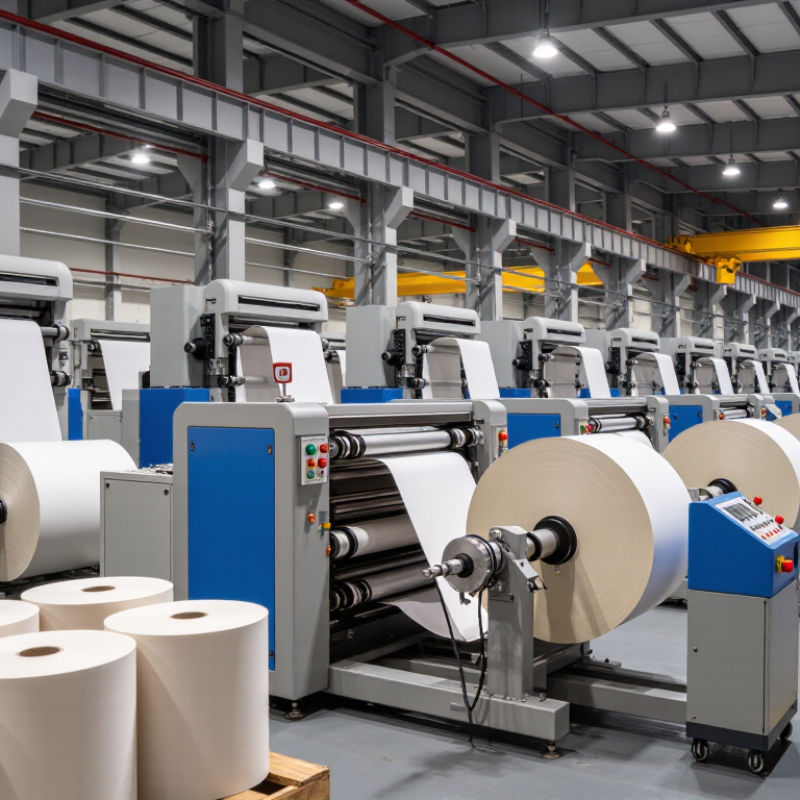
China’s Top 10 Paper Rewinding Machine Manufacturers are often evaluated through more than production scale. A reliable manufacturer should provide stable tension control, accurate slitting, and smooth roll formation. These details matter when converting kraft paper, coated stock, tissue, or film-laminated materials.

Experienced buyers usually inspect machine frames, shaft systems, electrical cabinets, and operator interfaces. A strong supplier can explain web width, rewinding diameter, speed range, and material compatibility without vague promises. Ask for running footage from similar paper grades. It reveals vibration, edge alignment, and finished-roll density more clearly than a brochure.

The leading manufacturers commonly offer customized layouts for narrow workshops and high-volume plants. Some provide automatic core loading, dust removal, shaftless unwinding, and remote troubleshooting. Service quality also deserves careful attention. Spare parts availability, installation guidance, and technician response times can affect production for years.

Performance is not always perfect. A faster machine may create more waste during setup. An inexpensive configuration may require greater manual adjustment. Buyers should compare measured output, power consumption, maintenance records, and warranty terms. Factory visits help verify assembly standards, but one visit cannot prove long-term reliability. A practical trial with the buyer’s own paper is better. Small details matter.久久爱

Product Types, Technologies, and Industry Applications

China’s leading paper rewinding machine manufacturers are increasingly judged by product fit, not machine size. A practical top-ten review should compare tissue, kraft, thermal, coated, and specialty-paper rewinders. Slitter rewinders serve narrow rolls and packaging lines. Shaftless jumbo rewinders handle large parent rolls. Tissue lines need soft winding, low dust, and stable core control. Packaging converters usually require higher web tension and sharper slit accuracy.

Technology separates capable equipment from attractive catalogues. Servo drives regulate tension during acceleration and deceleration. PLC systems record faults and production data. Automatic knife positioning reduces setup time. Some newer machines add camera inspection, robotic roll handling, and energy monitoring. These details matter on a busy floor. China Paper Association statistics reported approximately 129.65 million tonnes of paper and paperboard production in 2023. That scale creates demand for faster, more reliable converting equipment.

Applications also expose weaknesses. A rewinder for tissue may not suit abrasive kraft paper. Speed is not everything. Operators still need safe threading, simple maintenance, and accessible spare parts. Smithers’ packaging forecasts continue to identify lightweighting, recycled fiber, and automation as major market pressures. Therefore, manufacturers should prove performance with the buyer’s actual paper grade, moisture level, and roll width. No ranking is flawless. Test results can change after long production runs. That deserves more attention than polished specifications.

China Top 10 Paper Rewinding Machine Manufacturers? - Product Types, Technologies, and Industry Applications
Reference No. Machine Configuration Primary Product Types Core Technologies Typical Operating Characteristics Common Industry Applications Key Selection Criteria
01 Single-Drum Surface Rewinder Printing paper Writing paper Light packaging paper Surface-driven winding, web tension control, automatic slitting, pneumatic or mechanical knife holders Suitable for standard-width parent rolls and medium-to-high production speeds; winding quality depends on tension, nip pressure, and reel hardness control Commercial printing, publishing, office paper, school and stationery products Finished-roll diameter, web width, paper basis weight, tension stability, and trim-loss control
02 Double-Drum Surface Rewinder Kraft paper Linerboard Coated paper Two-drum support, rider roll or nip loading, differential winding control, automatic roll change options Provides stable support for larger and heavier finished rolls; commonly used where roll density and caliper uniformity are important Paper mills, corrugated packaging, industrial packaging, and converting plants Maximum reel weight, roll hardness profile, dust management, automatic threading, and reel discharge method
03 Center Winder Tissue parent rolls Thin paper Sensitive coated grades Torque-driven winding shaft, programmable winding tension, core chucking, closed-loop speed control Controls roll formation primarily through shaft torque; useful when surface contact pressure must be limited Tissue converting, hygiene products, specialty papers, and delicate coated materials Core gripping accuracy, low-tension performance, wrinkle prevention, roll density, and shaft-change time
04 Center-Surface Combination Rewinder Fine paper Packaging grades Technical paper Combined torque and surface drive, multi-zone tension control, nip-load regulation, automatic acceleration and deceleration Allows the winding strategy to be adjusted for different paper grades, roll diameters, and required hardness profiles Integrated paper mills and converters producing multiple grades on one line Control-system flexibility, recipe management, grade-change time, tension range, and operator access
05 Slitter Rewinder Flexible-width paper rolls Label stock Release paper Rotary shear or razor slitting, independent rewind stations, differential shafts, edge guiding, web inspection Converts a wide parent roll into multiple narrower rolls; slit-edge quality and accurate width control are central performance factors Paper converting, labels, envelopes, food-service paper, and specialty roll production Slit-width tolerance, knife configuration, dust extraction, splice handling, and rapid setup capability
06 Turret Rewinder Consumer paper rolls Retail packaging paper High-volume converted rolls Turret-style automatic roll change, flying splice, automatic core loading, automatic roll unloading Reduces stoppage time during roll changes and supports continuous production in high-throughput converting operations Retail roll products, household paper, packaging converters, and contract converting Splice quality, changeover duration, automation level, core magazine capacity, and finished-roll handling
07 Shaftless Rewinder Heavy paper rolls Large parent reels Industrial grades Core chucks, shaftless reel stands, hydraulic or pneumatic loading, automatic alignment, programmable braking Handles large or heavy reels without inserting a full-length winding shaft; loading design must match reel weight and core construction Large paper mills, kraft paper production, board mills, and industrial paper converting Maximum reel mass, chuck range, loading safety, core concentricity, floor layout, and maintenance access
08 Duplex Differential-Shaft Rewinder Narrow-width rolls Label paper Specialty papers Differential shafts, individual roll torque compensation, multi-lane slitting, automatic tension correction Well suited to multiple narrow rolls with different winding resistances; helps reduce telescoping and core crushing Labels, medical packaging paper, decorative paper, and specialty converting Number of rewind lanes, core-size range, differential torque accuracy, roll-width flexibility, and splice management
09 High-Speed Tissue Rewinder Facial tissue Toilet tissue Napkin base paper Low-tension web handling, soft winding, embossing or lamination integration, automatic core feeding, electronic synchronization Designed for lightweight, compressible webs where bulk, softness, caliper, and roll stability must be balanced Hygiene-product converting and household tissue production Web break rate, bulk retention, embossing compatibility, roll firmness, dust control, and changeover speed
10 Automatic Packaging-Roll Rewinder Wrapping paper Baking paper Household paper Automatic core insertion, programmable length or diameter control, end-of-roll detection, roll counting, inline packaging interface Combines rewinding with downstream handling requirements; production is often organized around repeatable roll sizes and automatic packing Food-service paper, household products, retail packaging, and e-commerce roll fulfillment Roll-length accuracy, packaging compatibility, automation integration, product-change flexibility, and finished-roll appearance
Technical note: Operating characteristics are general industry references rather than specifications for a particular manufacturer. Actual performance varies with paper grade, basis weight, moisture, parent-roll condition, web width, core dimensions, automation level, and machine configuration.

How to Select the Right Chinese Manufacturer for Your Needs

Choosing among China’s top paper rewinding machine manufacturers requires more than comparing prices. Start with your actual production needs: paper width, roll diameter, material thickness, rewinding speed, tension control, and required automation. A manufacturer should explain these details clearly, not simply promise “high efficiency.” Ask for drawings, electrical specifications, tolerance ranges, and a sample production plan. Technical clarity is a useful sign of experience.

A factory visit can reveal important details. Check assembly areas, spare-part storage, testing equipment, and quality records. Request a machine trial using paper similar to yours. Observe edge alignment, roll hardness, noise, and changeover time.

Speak with recent customers about delivery accuracy and after-sales response. I once focused too heavily on machine speed; later, maintenance access seemed more important. That was a costly lesson.

Tips: Compare complete operating costs, not only the quotation. Confirm warranty coverage, installation support, training, and response times in writing. Ask how quickly critical parts can be supplied. Review the contract carefully, including acceptance standards and testing procedures. A reliable manufacturer welcomes technical questions and admits limitations. If every answer sounds perfect, investigate further. Real production rarely is.