Top 10 Die Cutting Techniques in China for Your Business Needs?
The world of Die Cutting is vast and diverse. According to Dr. Liam Chen, a leading expert in the Die Cutting industry, "Innovative techniques in Die Cutting can transform a business's approach to design and production." This statement underscores the importance of staying updated with the latest methodologies.
In China, Die Cutting techniques play a crucial role across various industries. From packaging to textiles, their applications are extensive and vital. Each method has unique advantages, but the challenge lies in selecting the right approach for your business needs. Inadequate knowledge can lead to inefficiencies and wasted resources.
Choosing the best Die Cutting technique can significantly impact production quality. For instance, laser cutting provides precision but may be more expensive. However, traditional steel rule dies offer a cost-effective solution for bulk production. Businesses often grapple with these decisions, reflecting on their operational needs versus budget constraints. The evolving nature of Die Cutting in China requires businesses to adapt and stay informed.
Overview of Die Cutting Techniques in China
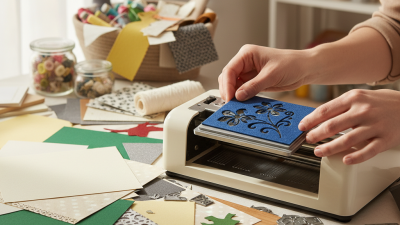
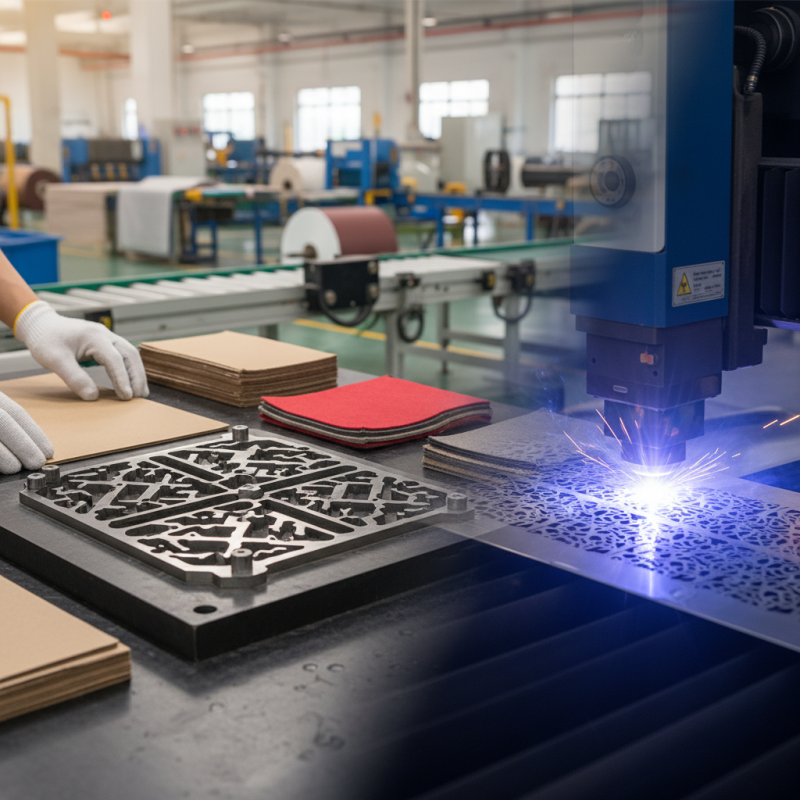
Die cutting is a crucial technique in various manufacturing sectors in China. It involves cutting materials into specific shapes using dies. This process can shape paper, plastic, metal, and more. Many businesses rely on this to create packaging, labels, and intricate designs. However, choosing the right die cutting technique isn't always straightforward.
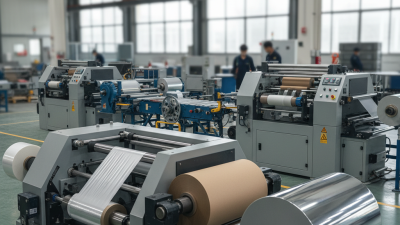
One common method is rotary die cutting. This process uses a cylindrical die to cut material in a continuous form. It is efficient for high-volume production. Flatbed die cutting, on the other hand, is better for shorter runs. It offers more versatility but can be slower. Many companies struggle to find the right balance between speed and precision. They might adapt their techniques as their needs evolve over time, which can lead to inefficiencies.
In recent years, laser die cutting has gained popularity. This method provides great accuracy and flexibility. However, it may not be cost-effective for all applications. Companies should consider their specific requirements when selecting a technique. Experimentation with different methods can help refine processes, but it often requires careful assessment and adjustment.
Common Materials Used in Die Cutting Processes
Die cutting is a crucial process for many businesses in China. It involves specialized techniques to create shapes from various materials. The choice of material can greatly affect the outcome of the final product. Common materials used include paper, cardboard, plastic, and metal. Each material serves different purposes.
Paper and cardboard are widely used in packaging. According to industry reports, nearly 70% of die cutting applications involve these materials. They are economical and easy to work with. Plastic sheets are also popular, especially in creating durable items. They allow for intricate designs and custom shapes. The versatility of plastics creates opportunities for businesses looking to innovate.
However, not all materials are created equal. Some may not withstand the rigors of the cutting process. This can lead to wasted resources and time. It's essential for businesses to test materials before using them at scale. Metal die cutting offers precision, but it remains costly. Balancing quality and budget is a constant challenge for manufacturers. Selecting the right material requires careful thought and experimentation.
Top 10 Die Cutting Techniques in China for Your Business Needs
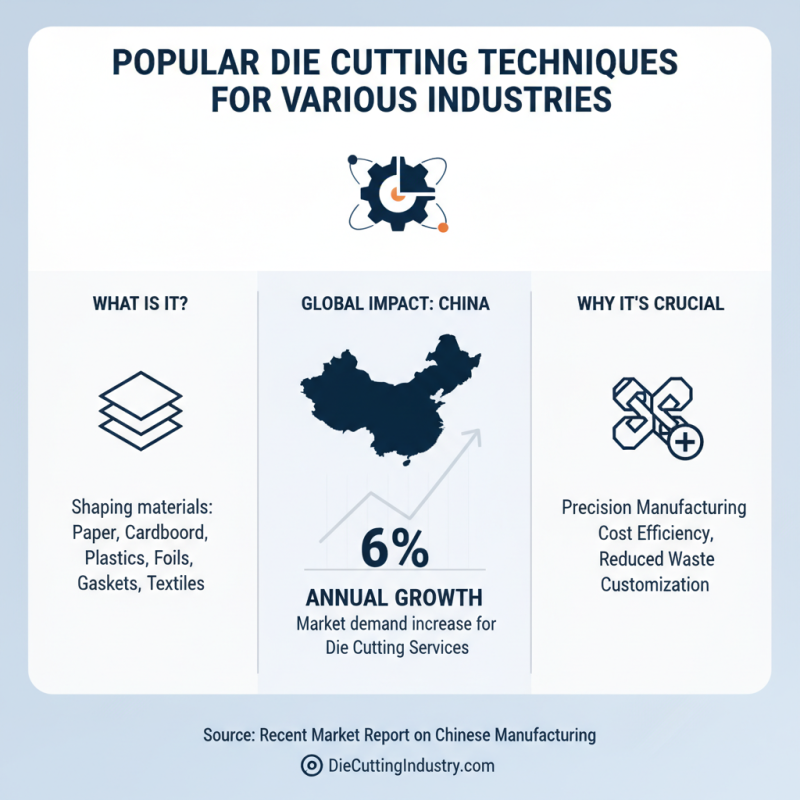
Popular Die Cutting Techniques for Various Industries
Die cutting is becoming crucial across various industries, particularly in China. The technique shapes materials like paper, cardboard, and plastics. According to a recent market report, the demand for die cutting services in China is expected to grow by 6% annually. This reflects the rising need for precision in manufacturing.
Different industries find specific die cutting techniques beneficial. The packaging sector favors rotary die cutting for its efficiency and speed. The automotive industry often opts for flatbed die cutting due to its versatility in shaping complex parts. A shocking 40% of manufacturers surveyed reported challenges in achieving consistent quality. This indicates a need for improvements in the techniques employed.
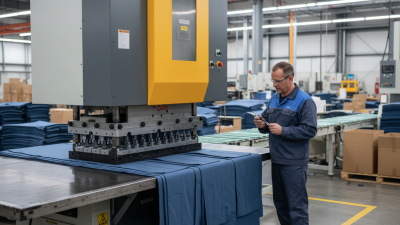
Moreover, the textile industry increasingly uses laser die cutting. It provides intricate designs and reduces waste. As sustainability becomes vital, this approach highlights the industry's responsibility towards the environment. Yet, many businesses still rely on traditional methods, revealing the gap between innovation and implementation. The shift toward modern die cutting techniques is essential for remaining competitive in today's market.
Choosing the Right Die Cutting Method for Your Business
Choosing the right die cutting method for your business is crucial. With varied techniques available, understanding their applications can significantly impact production efficiency. According to industry reports, over 70% of businesses emphasize the need for precision in die cutting. However, many still rely on outdated methods that lead to inconsistencies.
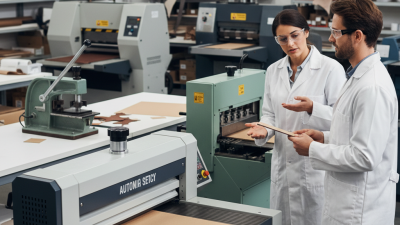
A popular technique is steel-rule die cutting, known for its affordability and flexibility. It is ideal for small to medium runs. However, if volume increases, this method may not sustain quality. Laser cutting offers enhanced detail but can be costly. It’s excellent for intricate designs but may not be suitable for thicker materials.
Tips: Always evaluate your production volume before choosing a method. Consider the materials you work with. For example, materials like cardboard react differently under laser cutting than softer substrates. Be aware of the limitations of each process. Sometimes, blending methods can yield the best results. Always question if your current choice serves your business well. Are you keeping pace with industry standards?
Future Trends in Die Cutting Technology in China
The future of die cutting technology in China is poised for exciting advancements.
Automation plays a key role in improving efficiency and precision.
Smart machinery equipped with AI can enhance production capabilities, reducing human error. Manufacturers are increasingly adopting these technologies to stay competitive in a fast-paced market.
Sustainability also emerges as a significant trend. Companies are exploring eco-friendly materials for die cutting.
This move aligns with the growing consumer demand for sustainable practices.
However, the transition can be challenging.
Balancing performance with environmental responsibility requires continuous innovation.
Lastly, customizable die cutting solutions are gaining popularity. Businesses seek personalized products tailored to their needs.
This trend presents an opportunity, but it demands flexibility in production processes.
Navigating these changes will require careful planning and reflection on operational strategies.
As the industry evolves, it’s crucial to adapt and embrace new possibilities.

 Contact immediately

 Contact Phone
 Contact Email