Top 5 Flexo Label Printing Machines to Consider Today?
In the fast-evolving world of packaging, Flexo Label Printing Machines stand out for their versatility and efficiency. According to industry expert, John Smith, "The right flexo machine can elevate your labeling operations drastically." This insight underscores the importance of choosing the best equipment for your specific needs.
The market offers a plethora of options. However, not every machine meets high standards. Some lose print quality during high-speed runs. Others may not provide the flexibility needed for various material types. It is crucial to examine these nuances when selecting a Flexo Label Printing Machine.
Investing in a reliable machine means considering aspects like maintenance and operational costs. Although many businesses prioritize initial price, the long-term implications can be significant. Superficial choices can lead to production inefficiencies. Instead, consumers should weigh quality, reliability, and features that fit their unique production lines.
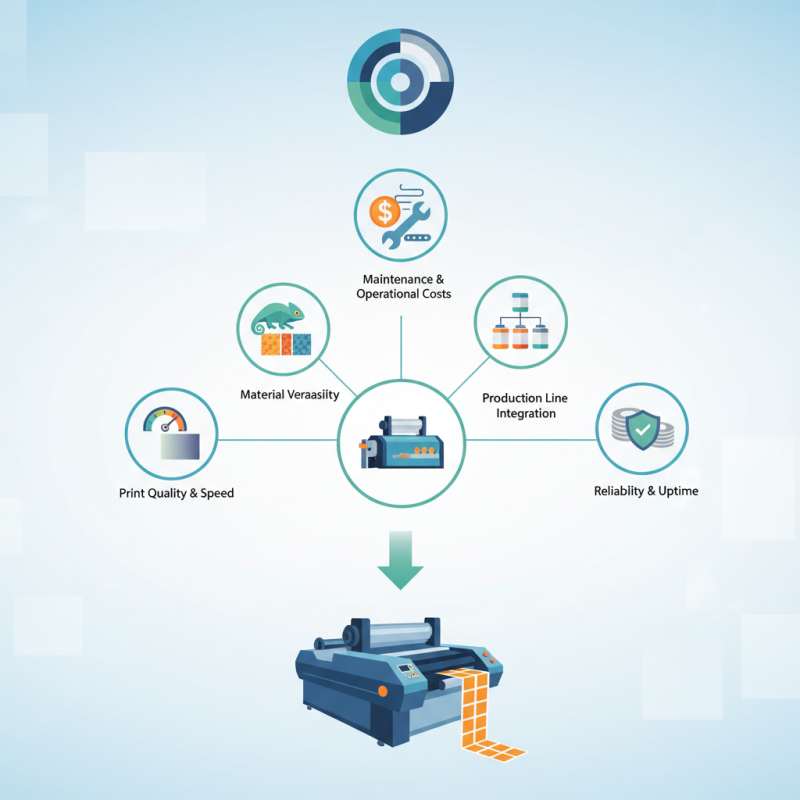
Overview of Flexo Label Printing Technology
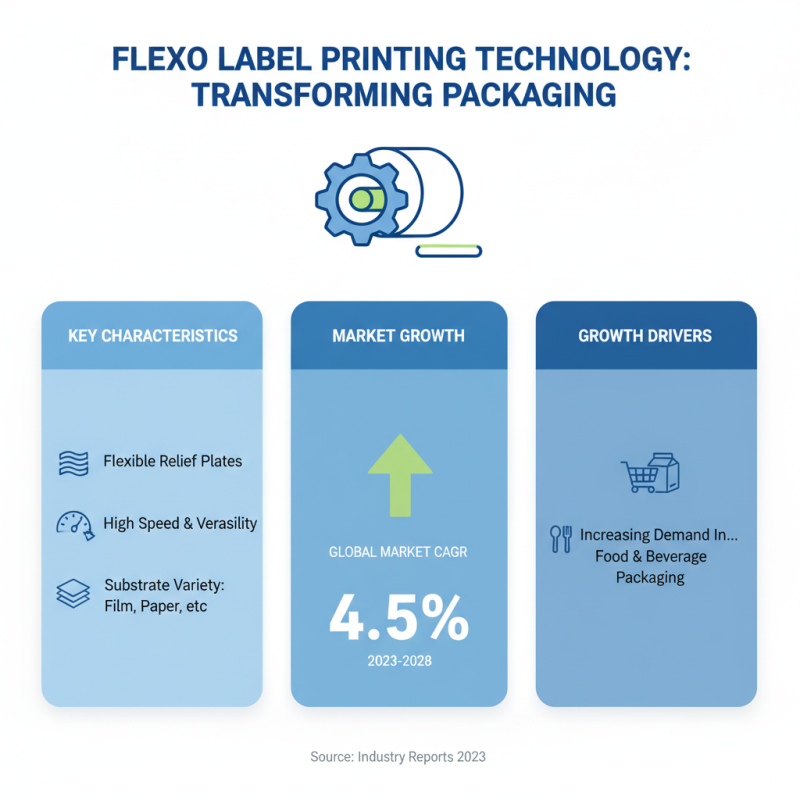
Flexo label printing technology has transformed the packaging industry significantly. This method uses flexible relief plates and is known for its speed and versatility. Flexo printing can handle a variety of substrates, from film to paper. According to recent industry reports, the global flexographic printing market is expected to grow at a CAGR of 4.5% from 2023 to 2028. This growth is driven by increasing demand in sectors like food and beverage packaging.
When investing in flexo label printing machines, consider the speed and setup time. The efficiency of these machines can vastly improve production rates. However, keep in mind that not all machines are suitable for all types of jobs. A mismatch could lead to higher waste levels. Proper training for operators is essential to maximize the equipment's potential.
Tips: Regular maintenance can prevent major issues. Clean the anilox rolls and plates to ensure consistent print quality. Monitor ink viscosity frequently. This will enhance color accuracy. Additionally, having backup components on hand can mitigate downtime. Being proactive is key to efficient operation.
Key Features to Look for in Flexo Printing Machines
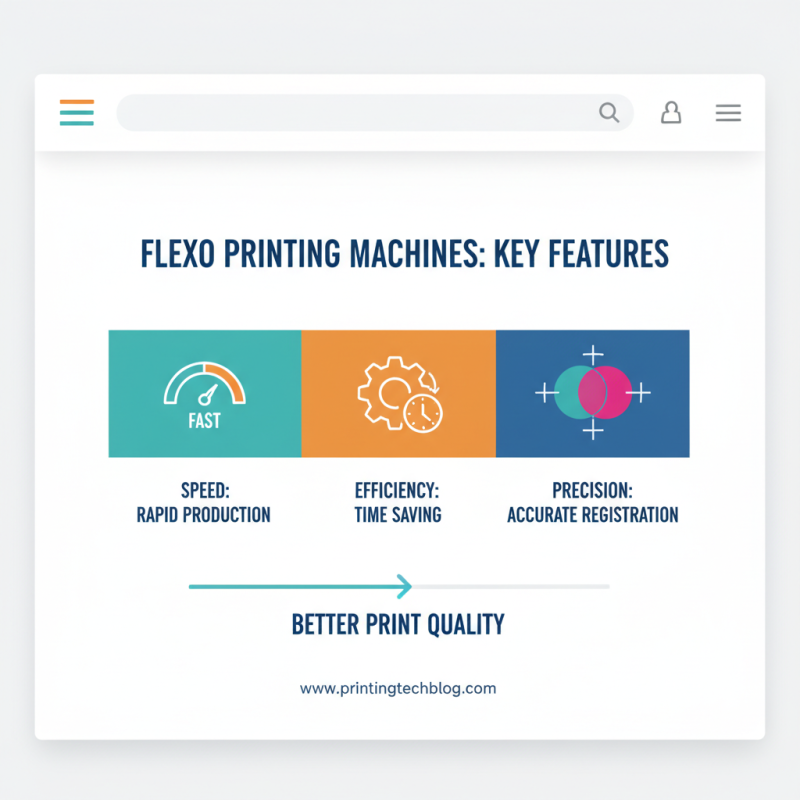
When considering flexo printing machines, key features can significantly impact your choice. Speed is crucial. Look for machines that can produce labels quickly while maintaining quality. An efficient machine saves time. Precision in printing is also vital. Consider machines with advanced registration technology. This ensures accurate color alignment, resulting in better print quality.
Another important feature is versatility. Some machines can print on various substrates. They handle different materials like films, paper, and even textured surfaces. This can expand your label options. Additionally, check for ease of operation. User-friendly controls make adjustments smoother and faster. However, don’t overlook maintenance needs. Machines requiring high upkeep can disrupt production.
Lastly, think about print resolution. Higher resolution means clearer images and text. Yet, in the quest for quality, balancing cost is key. Higher quality often comes at a price. Reflecting on these elements helps in making informed decisions. Your specific needs should guide your choices.
Top 5 Flexo Label Printing Machines Reviewed
When considering flexo label printing machines, a few key factors come into play. These machines vary in size, speed, and capability. A compact model might fit small spaces but could limit productivity. The balance of speed and quality is crucial. Some printers excel at fast output but sacrifice print detail.
Flexo label printing is an art. It's essential to look at the substrate compatibility. Some machines work best with specific materials. Can they handle diverse types, or do they require constant adjustments? Maintenance is another concern. Frequent breakdowns can lead to downtime. You may want to consider the ease of operation. If it’s complicated, the learning curve could impact efficiency.
User reviews play a vital role in the decision-making process. Observing others' experiences helps to highlight potential drawbacks. Some customers report challenges with ink consistency. Others mention difficulty in accessing service support. Each user’s experience offers valuable insights. It's wise to weigh benefits against potential issues. Flexo technology is evolving, but understanding the trade-offs is key.
Top 5 Flexo Label Printing Machines - Performance Comparison
This chart compares the print speed, print resolution, and maximum label width of five leading flexo label printing machines. Choose the right machine based on your production needs.
Comparative Analysis of Machine Performance and Cost
When selecting flexo label printing machines, performance and cost are crucial. The right machine can greatly affect production efficiency. Some machines boast high speeds but come with steep prices. Others may be more affordable yet lack advanced features. It's essential to balance these factors.
Machine performance can vary widely. Some offer precision and quick setup, but their operating costs are high. You might find a machine that appears cost-effective, yet requires frequent maintenance. This can lead to unexpected expenses. Analyzing production needs is vital.
Consider the long-term impact of your decision. Higher upfront costs might pay off with better durability. However, if a machine is too complex, it could slow down operations. Make sure to assess user-friendliness alongside cost. This perspective may deepen your understanding of
machine reliability and overall value.
Future Trends in Flexo Label Printing Technology
Flexo label printing technology is rapidly evolving. This evolution is driven by new consumer demands and advances in materials. Today, sustainability is a primary concern. More companies are looking for eco-friendly printing solutions. Biodegradable inks and recyclable substrates are gaining traction. These innovations reduce environmental impact.
Digital integration is another trend reshaping flexo printing. Companies are incorporating digital workflows for better efficiency. This allows for faster job changes and reduced waste. Moreover, automation is helping streamline operations. Manual tasks are minimized, but reliance on technology can lead to challenges. Not all printers are equipped to adapt to these changes.
Finally, customization is becoming more significant. Brands seek unique labels that stand out. Short-run printing and personalized designs are growing in popularity. However, this shift can lead to quality control issues. Balancing customization with consistency is vital. Flexo printing must evolve while addressing these challenges to meet future demands.
Top 5 Flexo Label Printing Machines to Consider Today
| Machine Model |
Print Speed (m/min) |
Width (mm) |
Color Stations |
Digital Integration |
| Model A |
200 |
330 |
8 |
Yes |
| Model B |
150 |
410 |
6 |
Yes |
| Model C |
180 |
250 |
5 |
No |
| Model D |
220 |
500 |
10 |
Yes |
| Model E |
160 |
430 |
7 |
No |

 Contact immediately

 Contact Phone
 Contact Email