Contact immediately


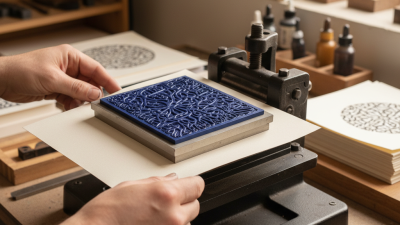
The art of printmaking has evolved, yet the charm of the Letterpress Press remains unparalleled. This technique blends tradition with creativity, allowing artists to produce unique works. Using a Letterpress Press involves understanding the equipment and materials necessary for success.
Many beginners find themselves overwhelmed by the weight of the press and techniques involved. It's crucial to practice and experiment. Different inks, papers, and designs can yield unexpected results. Even seasoned artists may face challenges, leading to unsatisfactory prints.
Embracing these imperfections encourages growth. Each error teaches valuable lessons. Exploring the tactile nature of letterpress can be rewarding, but requires patience. Ultimately, mastering the Letterpress Press brings a sense of accomplishment and joy, paving the way for artistic expression.
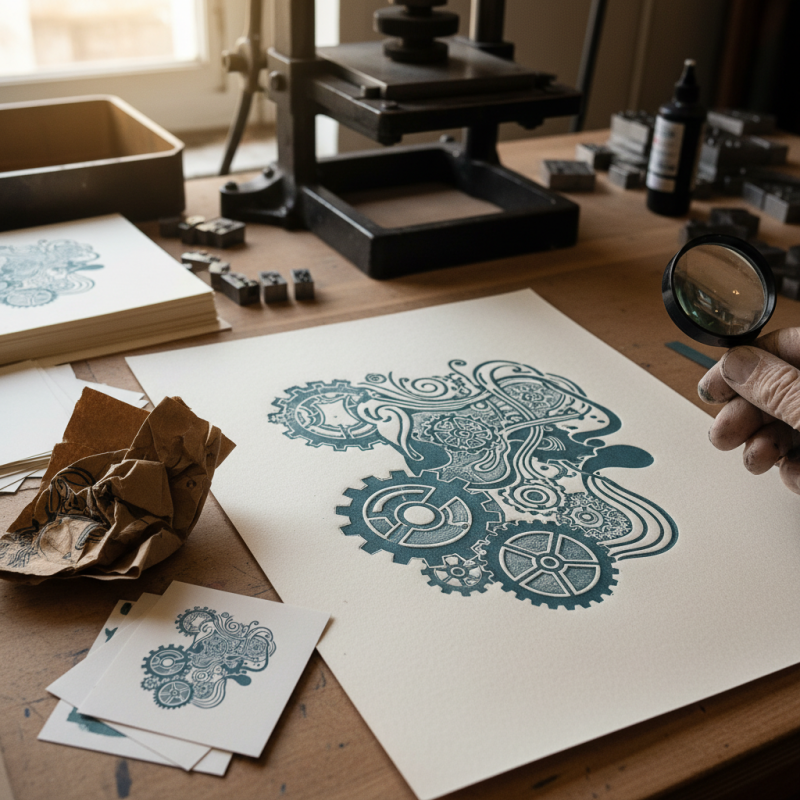
Letterpress printing is a wonderful technique to explore. Understanding its basics is key for success. The first step is to familiarize yourself with the tools. You need a platen press or a flatbed press, along with type or plates. Paper selection is also crucial. Heavyweight paper often gives the best results.
**Tips:** Experiment with different inks. Each ink has its own consistency, affecting the impression. Sometimes, this may lead to unexpected outcomes. A lighter ink could create a more subtle effect.
Another vital element is registration. Aligning your paper and type accurately is essential. Small misalignments can lead to blurred prints. It’s worthwhile to practice several times before attempting your final piece.
**Tips:** Have patience. Perfecting your technique takes time. Mistakes can lead to creative solutions. If you find an imperfect print, embrace it. It can add character to your work.

This chart displays the effectiveness ratings of different letterpress printing techniques. Each technique is rated on a scale from 1 to 10, indicating its usability and quality in printmaking.
Choosing the right materials is essential for effective letterpress printing. Paper selection plays a crucial role. Use thicker paper for a more tactile experience. Cotton paper can absorb ink well, yielding crisp impressions. Experiment with different textures to find what suits your design.
Inks are just as important. Some inks dry too quickly, leaving uneven strokes. Others may smudge easily. A balance is crucial. Keep in mind not all colors perform the same. Testing each ink on your chosen paper can save time later.
Don’t forget about the plates. The depth of your plates will affect the final print quality. If they are too deep, they can cause excess ink to smear. If too shallow, you might not get a clear impression. It’s a learning process. Mistakes will happen. Each print provides insights into material combinations. Embrace the imperfections; they often lead to unique prints.
Setting up your letterpress machine requires careful attention to detail. Begin by ensuring that the workspace is clean and organized. Dust and debris can affect the quality of your prints. Position the machine on a stable surface to prevent vibrations during operation. Check the rollers for wear and alignment. Misaligned rollers can lead to uneven impressions.
Next, adjust the printing pressure. Too much pressure can damage your plates, while too little may result in weak prints. Test the pressure with scrap paper before committing to your final print. You might notice that even small adjustments yield significant differences in print quality. Keep in mind that ink viscosity is crucial, so mix inks thoroughly. A common mistake is using inks that are too thick or too thin.
Finally, experiment with different paper types. The choice of paper can completely change the outcome of a print. Some papers absorb ink, while others resist it. This can be both an asset and a challenge. Each print run will teach you something new. Expect imperfections, as they often lead to unique results. Embrace these flaws; they make your work distinctive.
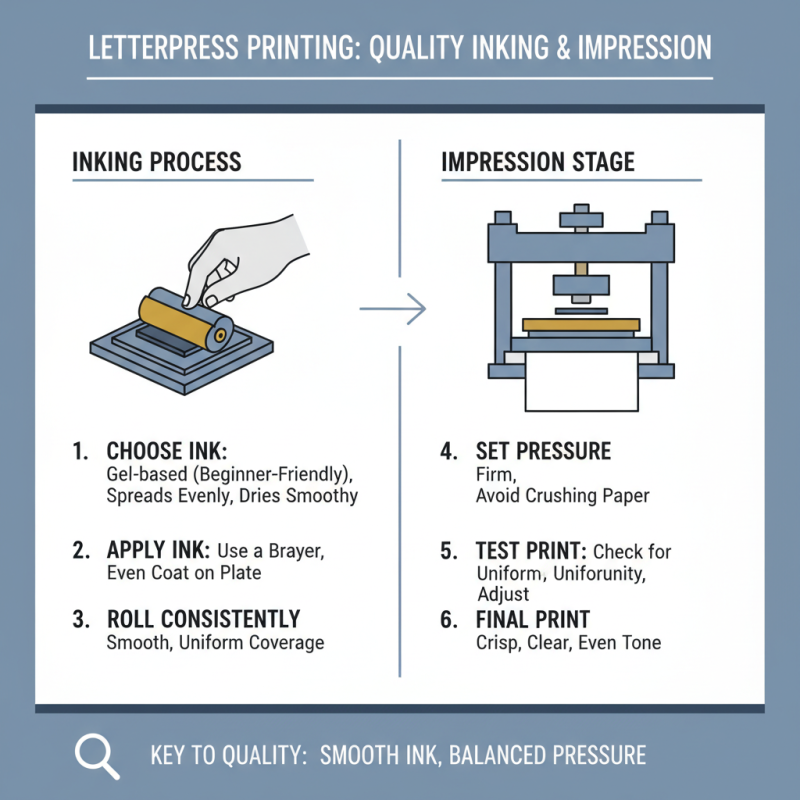
Inking and impression are crucial steps in letterpress printing. Achieving a smooth and even inking process ensures a quality print. Choose the right ink. Gel-based inks work well for beginners. They spread easily and dry smoothly.
Tip: Always test your ink on a scrap paper before the final print. Adjust the viscosity by mixing with a medium if it's too thick or too thin.
Applying pressure during printing is also vital. Too much pressure can result in a blurred image. Too little can lead to a faded print. Experiment with different pressure settings to find the sweet spot for your press.
Tip: Use a piece of scrap cardstock to test impressions. You can compare the results and refine your technique over time.
Sometimes, you’ll face inconsistencies. Ink might not spread evenly. Your press could be misaligned. These imperfections are part of the learning experience. Embrace them as opportunities to refine your skills.
Exploring creative applications in letterpress printing reveals a rich tapestry of potential designs. Artists appreciate its tactile quality and unique aesthetic. According to a 2022 report by the Print Industries Association, letterpress is gaining popularity among designers, with a 30% increase in workshops focused on this technique.
Embrace the imperfect nature of letterpress. Each print may vary slightly, which can enhance the character of your work. The slight inconsistencies can create a charm that digital prints lack. Experimenting with various inks and papers will yield unique results. You might find that certain combinations evoke emotions that resonate with your audience.
Tips for effective letterpress designs include starting with simple typography. Bold fonts work well, as they can highlight the texture of the print. Layering colors can also add depth. Don’t be afraid to mix traditional and modern graphic elements. Reflect on what each print conveys. The art of letterpress thrives on the dialogue between craft and creativity.
| Application | Description | Materials Needed | Techniques |
|---|---|---|---|
| Greeting Cards | Create personalized cards for various occasions. | Cardstock, ink, brayer, letterpress type, paper. | Type setting, ink application, impression control. |
| Art Prints | Produce limited edition prints for collectors. | Fine art paper, ink, blocks or plates, press. | Color layering, embossing, registration techniques. |
| Stationery | Design unique letterheads, envelopes, and notepads. | Textured paper, ink, type, press. | Custom designs, color mixing, varying pressure. |
| Business Cards | Create distinctive cards to represent brands. | Heavyweight paper, ink, type, press. | Letterpress printing, foil stamping, die-cutting. |
| Banners | Make promotional materials for events or businesses. | Canvas or durable paper, ink, press. | Large format printing, colorful inks, layered designs. |