2026 Top Roll Printing Machine Trends for Global Buyers?
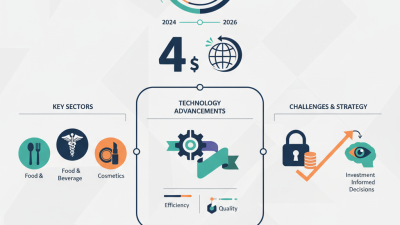
The roll printing machine industry is poised for significant advancements by 2026. Global buyers are keenly interested in the latest trends that redefine printing technology. As demand rises, understanding these shifts is essential.
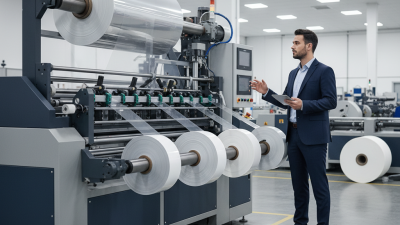
In the competitive market, roll printing machines are becoming more efficient and versatile. Innovations in design and functionality offer capabilities unseen in previous years. Buyers seek machines that not only perform well but also integrate seamlessly into existing workflows.
However, the journey toward optimal performance is not without its challenges. Manufacturers must navigate hurdles in sustainability and resource management. Investment in advanced technology is crucial, but it might also lead to unintended complexities. Buyers should remain informed and adaptable to ensure they make the best choices for their needs.
2026 Global Roll Printing Machine Market Overview and Forecast Analysis
The global roll printing machine market is poised for notable changes in 2026. As industries seek advanced solutions, technologies that enhance efficiency will dominate. Innovations are expected to improve speed, precision, and material versatility. Such advancements could lead to lower production costs and improved sustainability.
Tips: Consider energy-efficient models. They offer long-term savings and better performance.
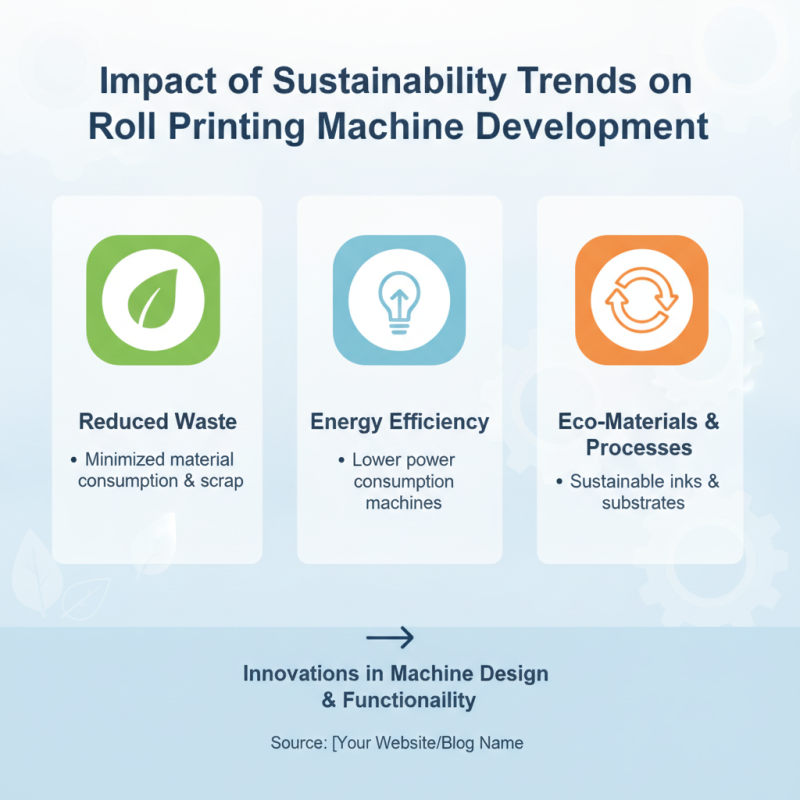
A shift towards eco-friendly materials will also rise. Buyers should pay attention to sustainable practices in manufacturing. These methods not only meet regulatory demands but also appeal to environmentally conscious consumers. Companies may struggle with balancing innovation and tradition. This requires continuous assessment of market needs.
Tips: Stay updated with industry trends. Regularly engage in webinars and professional forums for insights.
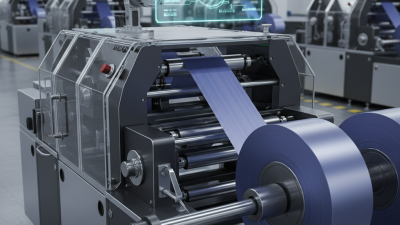
Embracing digital integration, like automation and smart technologies, will reshape operations. However, adapting to these changes can be challenging. Businesses must evaluate their infrastructure readiness. Transitioning from traditional methods could lead to unexpected hurdles, requiring resilience and flexibility.
Key Innovations in Roll Printing Technology for 2026 Buyers
As buyers prepare for the evolving landscape of roll printing technology in 2026, several key innovations promise to reshape the industry. Recent studies indicate a notable shift towards eco-friendly materials, driven by consumer demand for sustainability. According to a report by Smithers Pira, global demand for sustainable printing solutions is projected to grow by over 25% through the next five years. This trend pushes manufacturers to explore biodegradable inks and substrates in their roll printing processes.
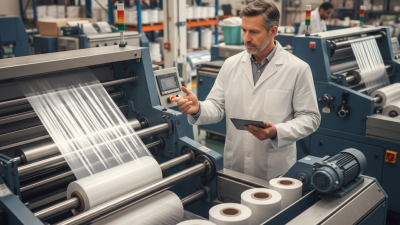
Another significant advancement lies in automation. The integration of smart technology into roll printing machines enhances efficiency and reduces waste. Industry data highlights a 15% increase in productivity due to real-time monitoring systems. These systems offer insights into material usage and operational efficiency, allowing for quick adjustments. However, reliance on technology raises concerns about security and the potential for system failures, which must be mitigated.
Moreover, customization options are expanding. Customers increasingly seek tailored solutions that meet unique specifications. This has led to innovations such as variable printing capabilities, allowing shorter runs without losing quality. Nevertheless, this flexibility can complicate supply chain management. Navigating these challenges requires careful consideration and investment in training for staff. The future of roll printing technology presents exciting opportunities amid growing complexities.
Emerging Markets and Growth Opportunities in Roll Printing Industry
The roll printing industry is witnessing significant growth in emerging markets. Countries in Southeast Asia and Africa show rising demand for innovative printing solutions. This is driven by increasing consumer preferences for personalized products. Local manufacturers are eager to adopt advanced technologies to meet these demands.
With the expansion of e-commerce, the need for efficient packaging is critical. Roll printing machines can provide high-quality prints quickly. However, some manufacturers struggle with the integration of new technologies. Ensuring reliability while maintaining cost-effectiveness is a fine balance. Companies must invest in training and upgrading equipment to remain competitive.
Sustainability is another key trend shaping the industry. Buyers are looking for eco-friendly materials and processes. The challenge lies in sourcing sustainable options that do not compromise quality. Each market has its unique hurdles. Understanding local regulations and consumer behaviors is crucial for success. The potential for growth in these areas is immense, but companies must adapt quickly.
2026 Top Roll Printing Machine Trends for Global Buyers
| Trend |
Description |
Emerging Markets |
Growth Opportunities |
| Sustainability Focus |
Increased demand for eco-friendly materials and processes in roll printing. |
Asia-Pacific, Latin America |
Investment in recycling technologies and biodegradable inks. |
| Digital Printing Integration |
Combining traditional roll printing with digital technologies for improved precision. |
North America, Europe |
Development of hybrid printing solutions. |
| Customization and Variable Data Printing |
Growing need for personalized printing solutions. |
Emerging Asian Markets |
Automation of custom print runs. |
| Technological Advancements |
Adoption of AI and IoT in roll printing processes. |
Global Market |
Enhanced efficiency and reduced downtime. |
| Cost Efficiency |
Focus on reducing operational costs through better resource management. |
Africa, Southeast Asia |
Process optimization and energy-efficient technologies. |
Consumer Demands Shaping the Future of Roll Printing Machines in 2026
The roll printing machine industry is evolving rapidly, driven by consumer demands. A report from Smithers Pira forecasts the market will reach $404 billion by 2026. This growth indicates a shift in how businesses view printing technology. Customization is increasingly crucial. Brands want unique, tailored products that stand out in retail markets.
Sustainability is another key demand. Recent surveys reveal that over 70% of consumers prefer eco-friendly printing materials. This trend pushes manufacturers to innovate. They must find materials that are not only sustainable but also cost-effective. Flexographic and digital printing are gaining traction as effective solutions. These methods reduce waste and enhance efficiency.
However, challenges remain. Meeting consumer expectations while maintaining quality can be complex. Brands must balance speed and sustainability. As the market grows, companies may struggle with supply chain issues. This could hinder their ability to respond to consumer needs. Industry leaders must focus on agility and adaptability to keep pace with evolving trends and expectations.

 Contact immediately

 Contact Phone
 Contact Email