2026 Top Rewinding Machine Features You Should Know?
As industries evolve, the demand for efficient machinery increases. One vital piece of equipment is the Rewinding Machine. This machine plays an essential role in various sectors, from printing to packaging. Understanding its features is crucial for maximizing productivity and reducing waste.
The 2026 models promise enhanced capabilities. Innovations focus on speed, precision, and user-friendliness. Features such as automatic tension control and advanced electronic interfaces2026 are becoming standard. These improvements aim to address common operational issues faced by users. However, not all machines deliver on these promises. Some may lack the durability expected in high-demand environments.
Investing in a quality Rewinding Machine requires careful consideration. Users should evaluate not only the features but also vendor support. Reliability and efficiency can significantly impact operations. As we explore the top features for 2026, it’s important to reflect on past experiences. Learning from previous challenges can lead to smarter choices in the future.
Overview of Rewinding Machines and Their Importance
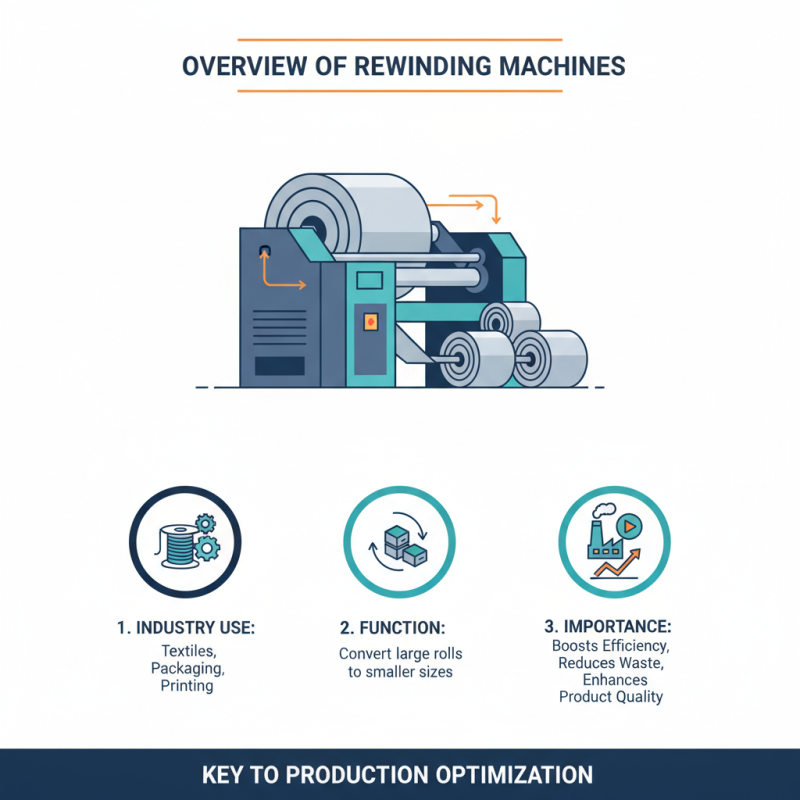
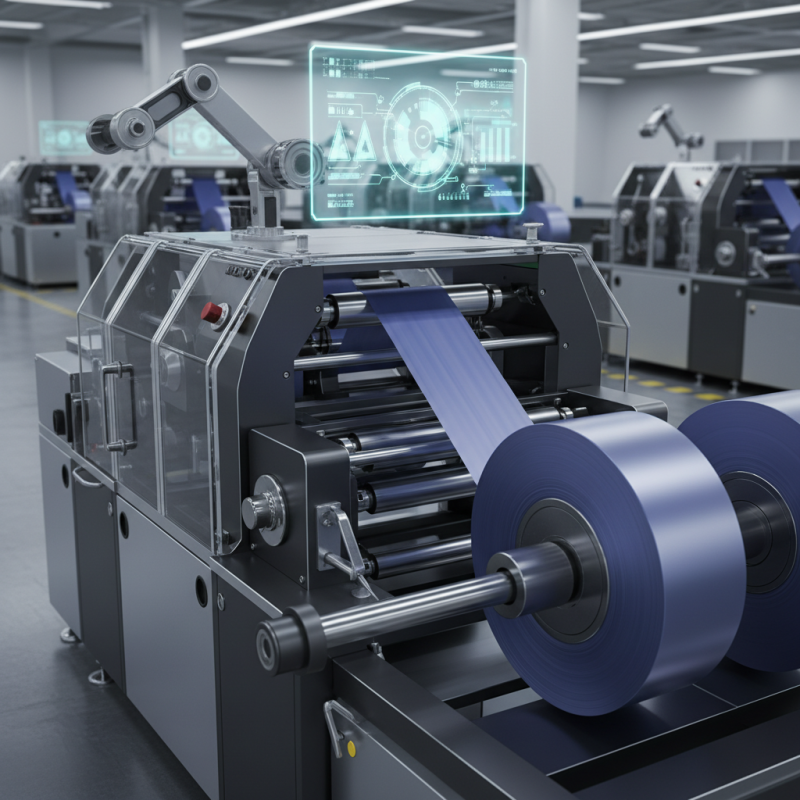
Rewinding machines play a crucial role in various industries, including textiles, packaging, and printing. These machines help in the efficient conversion of large rolls of material into smaller, manageable sizes. The importance of rewinding machines lies in their ability to enhance production efficiency and reduce material waste. Properly functioning rewinding machines can significantly impact the quality of the final product.
A common issue with rewinding machines is inconsistent tension during the process. This inconsistency can lead to defects in the final rolls. It's essential to regularly check the machine's tension settings. Proper calibration can mitigate problems and improve overall performance.
Tip: Always monitor the machine for signs of wear and tear. Maintenance is key to prolonging the life of the equipment. Additionally, train your staff on best practices to ensure they operate the machines effectively. Understanding how to optimize the rewinding process can save both time and resources, ensuring that production runs smoothly.
Key Features of Modern Rewinding Machines
Modern rewinding machines play a crucial role in various industries today. They are designed to enhance efficiency and precision. One significant feature is adjustable tension control. This allows operators to set the ideal tension for different materials. Consistent tension contributes to high-quality final products.
Another important aspect is speed variability. The ability to adjust rewinding speeds helps in meeting production demands. Additionally, advanced monitoring systems provide real-time feedback on performance. These features allow for timely adjustments, preventing defects.
Moreover, user-friendly interfaces are becoming common. Operators can easily navigate settings and monitor progress. However, not all machines offer intuitive designs. Some systems may require additional training for effective operation. It's essential to evaluate usability before making a purchase. These factors are vital in choosing the right rewinding machine for your needs.
Technological Innovations in Rewinding Machine Design
The rewinding machine sector is undergoing significant technological advancements. Innovations in design are transforming production efficiency. According to a report by MarketsandMarkets, the global rewinding machine market is expected to grow by 5.2% annually, reflecting rising demand for precise and efficient operations.
One key feature of modern rewinding machines is automation. Automatic tension control systems enhance consistency. These systems adapt to varying material thickness and density, improving output quality. Another notable development is the integration of IoT technology. Smart machines now collect data in real-time, allowing operators to make informed decisions swiftly. However, this reliance on technology raises questions about cybersecurity. Manufacturers need to ensure their networks are safeguarded.
Energy efficiency has also come into focus. Energy-efficient motors and regenerative braking systems reduce electricity consumption. A report from the International Energy Agency highlights that optimizing machinery can cut energy use by 30%. Despite advancements, challenges remain. Some machines may still face compatibility issues with older materials. Ensuring versatility in an evolving industry is vital for future developments.
Maintenance Tips for Optimal Performance of Rewinding Machines
Proper maintenance of rewinding machines is crucial for their optimal performance. Regular checks can prevent unexpected breakdowns. Inspecting components like rollers and tension systems should be a routine practice. Dust and debris can accumulate, affecting operation efficiency. Cleaning these parts with appropriate tools ensures smooth functioning.
Lubrication is another key aspect. Using the right lubricants on moving parts reduces friction and wear. However, over-lubricating can lead to issues, such as attracting dust or causing excess buildup. It’s important to strike a balance. Monitoring operating temperatures is essential too. Overheating can indicate underlying problems that may require immediate attention.
Operators should also stay informed about the machine's performance. Keeping a log of operating hours and issues helps in identifying patterns. Regular training sessions can enhance operator skills. Understanding the machine's limits is necessary for safe and effective use. These practices contribute to long-term reliability and productivity of rewinding machines.
Future Trends in Rewinding Machine Technology
As we look forward to 2026, the rewinding machine industry is poised for substantial advancements. Industry reports indicate that automation and IoT integration will dominate future trends. A study by Smithers revealed that the market for advanced rewinding machines could grow by 8% annually. This growth is linked to the increasing demand for precision in packaging and material handling.
Connectivity is a major focus. Machines will increasingly utilize real-time data analytics to enhance efficiency. This trend minimizes downtime and reduces waste. With predictive maintenance features, operators can foresee issues before they become costly. However, technology can sometimes overwhelm teams unfamiliar with digital tools. Ensuring staff are trained is crucial for maximizing these innovations.
Sustainability must also be prioritized. Research shows that eco-friendly materials are gaining traction. Many manufacturers are exploring recyclable and biodegradable substrates. While this shift is promising, challenges remain, especially regarding production costs and material availability. The balance between innovation and practicality will shape the future of rewinding machine technology.

 Contact immediately

 Contact Phone
 Contact Email