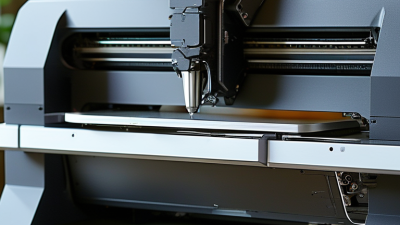
Best Die Cutting Press Options for Efficient Production?
In the realm of manufacturing, the efficiency of production processes plays a pivotal role. The "Die Cutting Press" stands as a cornerstone in modern fabrication. According to a recent report by Technavio, the die-cutting machine market is projected to grow by 3.2 billion USD between 2023 and 2027. This growth reflects a significant demand across sectors like packaging, automotive, and textiles.
Die cutting presses streamline operations, reducing material waste and enhancing precision. However, selecting the right die-cutting press can be challenging. Industry experts highlight that not all presses are created equal. Factors such as speed, pressure adaptability, and maintenance requirements can greatly impact production efficiency. Additionally, many manufacturers face the dilemma of balancing cost and functionality.
While recent advancements have improved the capabilities of die cutting presses, gaps still exist. Some machines may require frequent adjustments or lack compatibility with certain materials. It’s crucial for manufacturers to assess their specific needs and evaluate the long-term reliability of their chosen equipment. Ultimately, making informed decisions in die cutting press selection can lead to substantial improvements in operational efficiency.
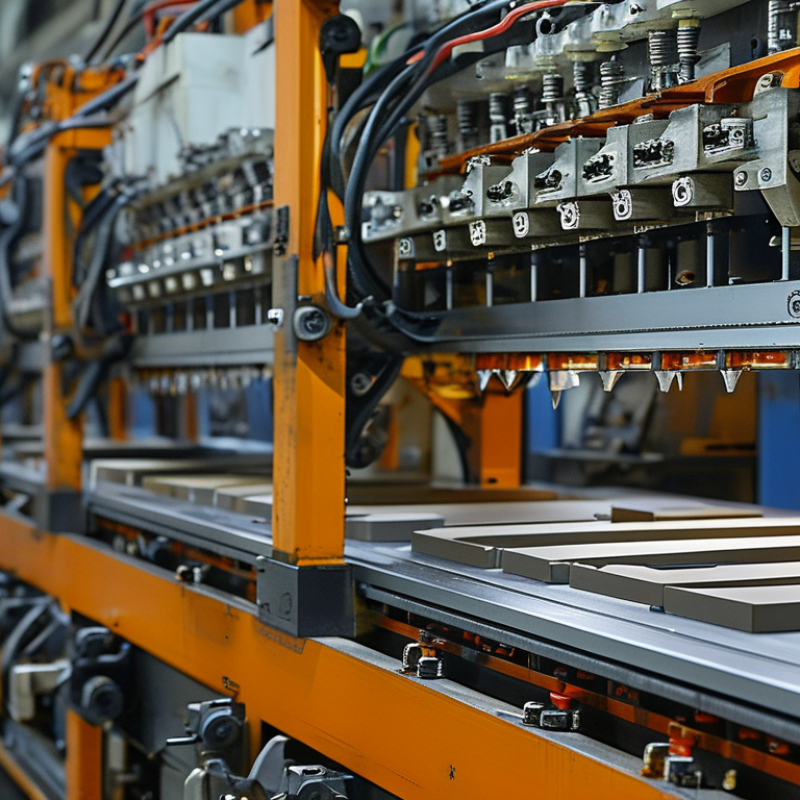
Key Considerations for Selecting a Die Cutting Press
When selecting a die cutting press, various factors must be assessed. Consider the materials you’ll be working with. Different presses are designed for specific materials like paper, fabric, or metal. The quality of the die cutting press significantly affects the accuracy and quality of the finished product.
It’s also essential to evaluate the size of your production runs. A smaller business may benefit from a manual press for lower volumes. However, larger operations often require automated options for efficiency. Think about the press’s speed and ease of use. An efficient die cutting press should allow minimal downtime and easy setup.
Don’t ignore maintenance requirements. Some presses demand more attention, which could lead to unforeseen downtime. Reflect on your team's skills and training as well. Ensuring your staff can operate and maintain the equipment effectively is vital for optimal production. Keep these considerations in mind to make a well-informed choice.
Best Die Cutting Press Options for Efficient Production
| Model |
Type |
Cutting Area (inches) |
Max Thickness (mm) |
Speed (cuts/min) |
Weight (lbs) |
Price (USD) |
| Model A |
Digital |
24 x 36 |
1.5 |
30 |
150 |
3,500 |
| Model B |
Manual |
18 x 24 |
2.0 |
20 |
75 |
1,200 |
| Model C |
Hydraulic |
30 x 48 |
3.0 |
15 |
200 |
5,000 |
| Model D |
Electric |
20 x 30 |
1.2 |
25 |
85 |
1,800 |
Types of Die Cutting Presses Available in the Market
Die cutting presses are crucial in the manufacturing industry. Several types are available to meet different production needs.
Roller presses and platen presses are common choices.
Roller presses apply pressure evenly across the material. This type is suitable for high-volume production.
Platen presses, on the other hand, use a flat surface to apply pressure. They excel in precision work for various materials.
Another option is the rotary die cutting press. This equipment is efficient in continuous production lines.
It utilizes rotating cylinders to feed and cut materials seamlessly. Furthermore, there are digital die cutting machines.
These machines allow for intricate designs and prototypes with minimal waste. They are ideal for smaller batches and quick turnarounds.
When choosing a press, consider the intended application. Quality, speed, and the type of material being used will influence the decision.
It's essential to reflect on your production requirements and budget constraints. Every option has its pros and cons.
A thorough understanding of each type will help guide your investment choice.
Features to Look for in an Efficient Die Cutting Press
When choosing a die cutting press, several features contribute to efficient production. A reliable machine should offer adjustable pressure. This ensures it can handle various materials like cardstock and foam. Ideally, the press should also have a user-friendly interface. Operators should be able to set up everything quickly. The simpler the adjustments, the less downtime occurs.
Another crucial aspect is durability. A sturdy construction increases longevity and reduces maintenance needs. It's important to check materials used in the press. High-quality metals and components often translate to better performance. Additionally, the ability to customize dies can enhance production flexibility. This functionality allows for different shapes, meeting diverse project demands.
Noise level is another consideration that is often overlooked. A quieter machine creates a better working environment. While efficiency is key, operating conditions should not be uncomfortable. Lastly, consider the machine’s compatibility with automation systems. Enhanced automation can significantly boost output. However, integration can sometimes be challenging, requiring further reflection on your production needs. Choosing the right features is not always straightforward, but it pays off in the long run.
Comparative Analysis of Top Die Cutting Press Brands
When analyzing die cutting press options, several factors can influence efficiency. Each brand offers unique features that cater to different production needs. Durability is one aspect that many experts consider critical. A machine that withstands heavy use can save time and money in the long run.
In terms of precision, some brands excel at intricate cuts. This quality is essential for industries requiring detailed work. However, not all presses perform consistently under various materials. It’s important to assess if a press struggles with thicker substrates. Such limitations can hinder production.
Operational ease also varies among different machines. Some models are user-friendly, allowing for quick adjustments. Others may come with complex settings that confuse operators. Training staff to use these machines effectively is vital. In some cases, the added features may not justify the learning curve. Prioritizing a balance between technology and simplicity can lead to better productivity outcomes.
Cost-Effectiveness and ROI of Die Cutting Press Investments
Investing in die cutting presses can significantly impact production efficiency and cost-effectiveness. Businesses often overlook the initial costs associated with purchasing these machines. It's essential to analyze the long-term benefits rather than just the upfront price. A well-chosen die cutting press can streamline operations, reduce material waste, and enhance output quality.
Many companies underestimate the return on investment (ROI) when incorporating die cutting technology. By improving precision and speed, these machines can dramatically lower labor costs. However, not all presses are suitable for every operation. Some may require more maintenance and training than others, which could lead to unforeseen expenses. Balancing cost and efficiency should be a focal point for any business considering this technology.
While the right die cutting press can lead to substantial savings, it also introduces challenges. One must regularly evaluate its performance against production goals. A machine that works well today might not meet future demands. Continuous monitoring and ongoing adjustments are crucial for maximizing the benefits of this investment. Understanding these dynamics can guide businesses toward making informed choices in their die cutting operations.

 Contact immediately

 Contact Phone
 Contact Email