Die Cutting Techniques for 2026 What Global Buyers Need to Know?
Die cutting is a crucial technique in various industries, from packaging to automotive. It allows for precise shapes and designs that enhance both functionality and aesthetics. According to a recent report by Smithers Pira, the global die cutting market is expected to grow by 4.2% annually, driven by advancements in automation and demand for sustainable materials. Buyers must adapt to changing trends and technologies.
Understanding the nuances of die cutting can give businesses a competitive edge. High-quality die cutting improves product durability and presentation. A study by Industry Research reveals that over 30% of companies face challenges in selecting the right die cutting method. This can lead to inefficient processes and wasted resources.
As we move toward 2026, global buyers need to stay informed about these evolving techniques. Engaging with industry experts can provide valuable insights. However, many practitioners struggle with integrating new technologies. Awareness of these challenges is key. It enables companies to make informed decisions that enhance their operations and meet market demands effectively.
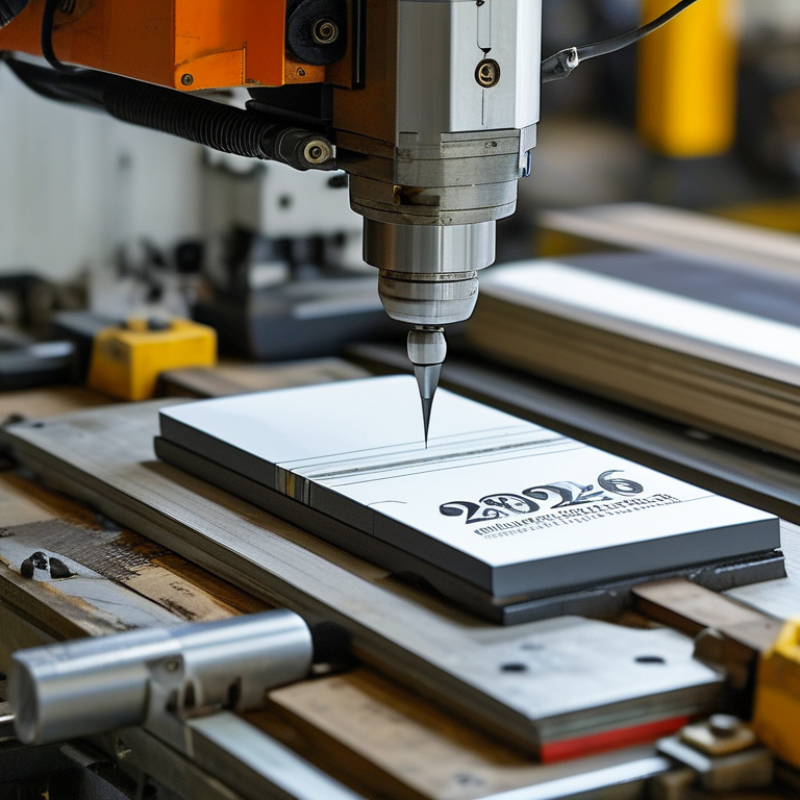
Overview of Die Cutting Techniques and Their Evolution
Die cutting techniques have significantly evolved over the past few years. In 2023, the die cutting market was valued at approximately $2.6 billion and is projected to grow steadily. This growth is driven by advancements in technology and increased demand for customized solutions. The market has seen a shift from traditional methods to more automated processes. Manufacturers now adopt computer numerical control (CNC) systems to enhance precision and efficiency.
The accuracy of die cutting has improved remarkably. Modern machines can achieve tolerances within 0.01 mm. This level of precision is critical for industries such as packaging and automotive, where every detail matters. Data from industry reports indicate that nearly 30% of global buyers are seeking eco-friendly materials for die cutting. There’s an increasing emphasis on sustainable practices, reflecting consumer demand for environmentally responsible products.
Despite these advancements, challenges persist. Not all businesses can afford cutting-edge technology. Smaller companies often struggle to compete. Additionally, training staff to operate new machines remains a concern. The complexity of modern die cutting tools can deter progress for some firms. The industry's trajectory suggests a balance between innovation and accessibility is necessary for future growth.
Key Factors Influencing Die Cutting Trends in 2026
In 2026, die cutting techniques will evolve significantly. Several key factors will shape these trends. One major influence is sustainability. Buyers are increasingly seeking eco-friendly materials and processes. This shift demands innovative die cutting methods that minimize waste and use recyclable materials.
Technological advancements also play a crucial role. Automation and digital die cutting are gaining traction. These technologies enhance precision and reduce production time. Buyers must stay informed about software updates and machine capabilities. Adopting these technologies can streamline operations.
**Tip:** Consider investing in training for your team on the latest die cutting software. Knowledge is a key asset in this fast-evolving field.
Moreover, customization is becoming a priority. Companies want personalized solutions to stand out. This trend requires die cutting methods that can handle diverse materials and intricate designs. Companies may need to reassess their existing processes to meet these demands.
**Tip:** Regularly evaluate your equipment and materials. This can help you remain competitive and adapt to changing buyer preferences.
Comparative Analysis of Traditional vs. Modern Die Cutting Methods
The evolution of die cutting methods has significantly transformed the industry. Traditional methods, such as steel rule die cutting, rely heavily on manual processes. This often results in longer lead times and higher labor costs. However, modern techniques like digital die cutting offer more precision and efficiency. They utilize computer-aided design for accurate cuts, reducing material waste and production time.
In industries like packaging or textiles, the shift toward modern techniques is evident. Digital die cutting allows for intricate designs that would be impossible with traditional methods. Yet, this technology requires a learning curve. Many businesses must adapt their skills to harness the full potential of these advancements. While modern techniques are powerful, they may not be suitable for every project. Some specialized traditional methods still hold value for certain applications.
The decision between traditional and modern die cutting is complex. Companies must consider factors such as production volume, design complexity, and budget. Each method has its strengths and weaknesses. Navigating this landscape requires careful thought. Embracing change can lead to innovation, but it also carries risks. Understanding these nuances is crucial for global buyers in 2026.
Die Cutting Techniques for 2026: Traditional vs. Modern Methods
This chart compares the efficiency of traditional die cutting methods with modern methods, highlighting the significant improvement in efficiency expected with modern techniques in 2026.
Essential Equipment and Tools for Efficient Die Cutting
Die cutting is vital for various industries, especially packaging and textiles. As we approach 2026, understanding the essential equipment and tools is crucial for efficiency. According to recent industry reports, the die-cutting market is projected to grow by 5.4% annually. This growth emphasizes the importance of investing in the right machinery.
First, digital die-cutters are gaining traction. They offer precision and flexibility compared to traditional methods. These machines enable rapid prototyping and short-run productions. A 2023 study noted that companies using digital techniques reported a 30% reduction in production time. However, not every business can invest in high-end machines. Some still rely on older equipment, which can lead to inefficiencies.
Another key component is the choice of cutting tools. Steel rule dies remain popular due to their affordability and effectiveness. However, there’s a growing shift towards custom dies for specific projects. These can lead to better material utilization but require careful planning. A miscalculation can result in waste and increased costs. Adopting new technologies can be beneficial, but it’s essential to evaluate their long-term impacts on operations. Balancing innovation with practical needs is a reflective process that all global buyers must engage in.
Critical Considerations for Global Buyers in Die Cutting Procurement
In 2026, global buyers need to approach die cutting procurement with a keen eye on various critical factors. The demand for precision and efficiency in materials has never been higher. Buyers should focus on understanding the technology behind die cutting techniques. Awareness of emerging trends is crucial, as innovations can enhance production processes and material efficiency.
Tip: Research suppliers' capabilities thoroughly. Pay attention to their flexibility in adapting to changes in design or material specifications. A supplier's agility can significantly impact your supply chain.
Quality assurance is another vital aspect. Buyers must ensure that the materials used meet industry standards. Regular quality checks can prevent costly production errors. Relying on suppliers with rigorous quality control processes is essential for maintaining reliability.
Tip: Establish clear communication channels with suppliers. This ensures that any emerging issues are addressed promptly. A proactive approach can save time and resources in the long run.
As the die cutting market evolves, continuous education is key. Attend industry events or webinars to stay updated on the latest techniques and best practices. Engaging with experts can provide insights that might not be readily available through typical procurement channels.

 Contact immediately

 Contact Phone
 Contact Email