inquiry
Leave Your Message

What Is the Best Letterpress Press in 2026?

What makes the best Letterpress Press in 2026 depends less on a ranking than on the work it must produce. A small studio printing invitations has different needs from a workshop making posters or short-run books. Paper size, impression control, available space, maintenance, and operator experience all shape the decision. The details matter.

British typographer and letterpress printer Alan Kitching has described his craft this way: “I am a typographer, not a graphic designer.” His distinction is a useful reminder: a press is not just a machine. It influences how type, ink, paper, and pressure meet on the page. A deep impression may look striking, but it is not automatically right for every project. Nor does a higher price guarantee a better fit.

This guide compares press types and practical selection criteria, including platen and cylinder designs, manual and powered operation, and the demands of setup and upkeep. It also considers what buyers should verify before choosing a new or used machine, from working condition to parts availability. There is no tidy winner for every shop. A press that suits one printer may frustrate another, and this overview cannot replace a hands-on inspection. Still, clear priorities can narrow the field. The aim is to identify a Letterpress Press that supports reliable, well-controlled printing—not simply the most impressive machine in a photograph.
What Is the Best Letterpress Press in 2026?

What a Letterpress Press Is and How It Works

What Is the Best Letterpress Press in 2026?

What a Letterpress Press Is and How It Works

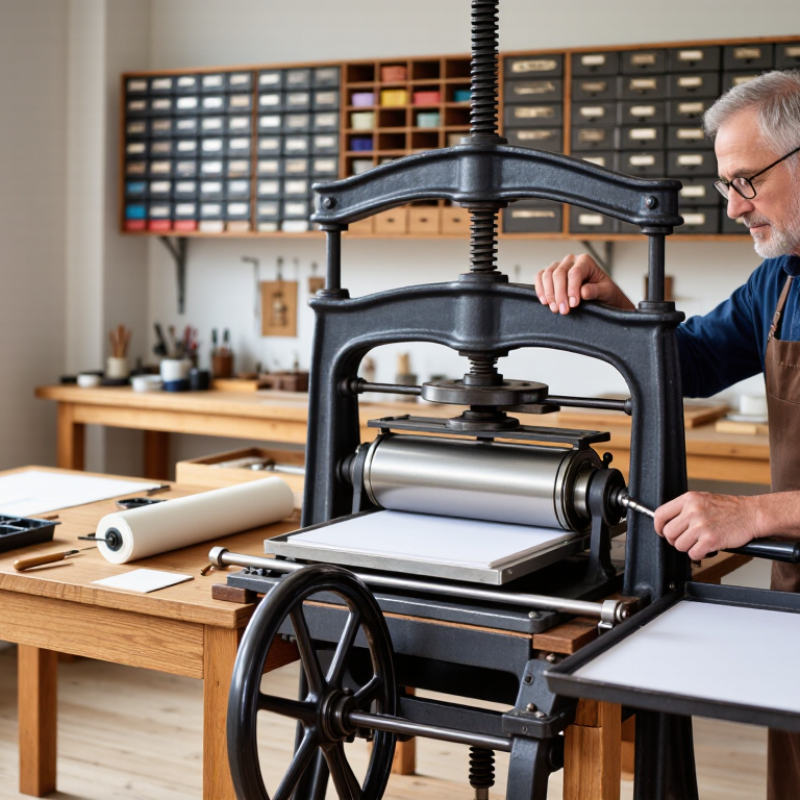
A letterpress press prints from raised surfaces. Ink coats the raised type or plate, then pressure transfers its image onto paper. In a platen press, the paper meets the inked form like a book closing. A cylinder press instead rolls paper across the form. The result can show crisp edges and a subtle impression you can feel. It is not magic: uneven packing or excess pressure can crush fine details.

The best press depends on the work, not a ranking. Platen models suit small cards and short runs; cylinder presses handle larger sheets and steadier production. Check the chase size, available parts, adjustment range, and whether the press holds registration across repeated sheets. For paper planning, the American Forest & Paper Association’s 2022 recycling report estimated that 68% of paper consumed in the United States was recycled. Recycled stocks can vary in texture and thickness, so test them before a full run. That extra test is easy to skip—and worth reconsidering.

Tips: Start with a small ink charge and light pressure. Pull a proof, inspect solid areas and fine type, then adjust one variable at a time. Keep notes; a setup that works on one sheet may not work on another.
Main Types of Letterpress Presses Available in 2026

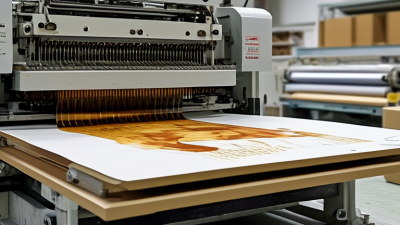
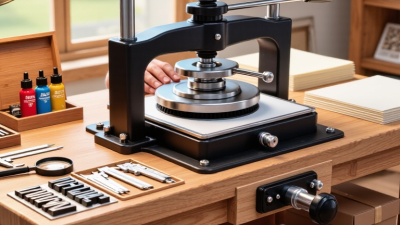
The best letterpress press in 2026 depends on the job, not the machine’s age or size. Three main types remain useful: platen, flatbed cylinder, and rotary. Each applies pressure differently, affecting speed, impression, and the stock it can handle. Small tabletop platens suit short runs, cards, and careful hand-feeding. They are compact, but make long production jobs tiring.

A larger platen press closes a flat plate against a flat bed. It can handle die-cutting and heavier stock, though setup and feeding demand close attention. Flatbed cylinder presses move paper against a rotating cylinder and suit longer runs or larger sheets. Their impression can feel even and controlled. Rotary letterpress uses cylinders and continuous feeding, making it better suited to high-volume work than occasional studio printing. Setup costs more, and small jobs may not justify it.

Smithers’ report The Future of Global Printing to 2028 estimated global print value at $818.5 billion in 2023, rising to $846.3 billion by 2028. That figure covers print broadly, not letterpress alone; it should not be mistaken for proof that one press type is growing fastest. For a practical comparison, check sheet size, operator skill, available floor space, and repair access. Run a test on your actual paper. A press that prints beautifully on thin stock may struggle with thick, textured sheets. A common blind spot is choosing by impression depth before checking daily output needs.

Key Factors for Evaluating a Letterpress Press

Choosing the best letterpress press in 2026 depends on the work you plan to make. Start with the largest sheet and image you expect to print, then check the press’s usable bed area. A press that feels generous in a showroom may leave little room for grippers or paper handling. Examine how evenly the platen closes, and whether pressure can be adjusted across the form. Uneven contact can leave pale patches or crush fine paper. Small details matter.

Tips: Bring the paper stocks you actually use, plus a simple test form. Check registration, feeding clearance, and how easily the press returns to a consistent setting. Ask how routine cleaning and parts replacement work. If possible, print several sheets, not just one. A single good impression proves little.

Also consider setup space, operator comfort, and the time needed for make-ready. Hand adjustments may suit short runs, while repeat jobs benefit from stable settings and accessible controls. Inspect the frame, moving parts, and maintenance records rather than relying on a polished finish. It is easy to overvalue speed; careful setup often matters more. No checklist catches everything, and estimates can be wrong. Leave room in your budget for tools, training, and a few imperfect test sheets.

What Is the Best Letterpress Press in 2026?

Key factor: choose a press bed that can accommodate your intended sheet size, with additional room for grippers and margins.

Dimensions shown are standard ISO 216 paper sizes, not press-bed specifications. The usable printing area may be smaller than the bed, so allow for the press’s gripper and required margins.

Comparing Leading Letterpress Presses for Different Needs

Choosing the best letterpress press depends on the work, not a universal ranking. A compact tabletop platen press suits short stationery runs and tight studio spaces. Its small chase limits image area, though, and heavier stocks may need careful testing. Larger platen presses offer more room for posters and packaging prototypes, but demand more floor space and precise setup. Cylinder presses can handle larger sheets and steady production. They also require more skill, maintenance, and safe operating clearance.

Smithers’ The Future of Global Printing to 2028 valued the worldwide print market at about $818.5 billion in 2022, forecasting roughly $846 billion by 2027. This broad figure covers many print processes, not letterpress alone. It signals a diverse print sector, but cannot identify the best press for a particular shop. Useful comparison starts with the intended sheet size, substrate thickness, available power, and expected run length. Small editions? A tabletop model may be enough. For recurring commercial work, compare setup time and impression consistency, not just purchase price. Ask for a live test using your own paper; a press that prints cleanly on one stock may struggle with another. I would not treat catalog capacity as a guarantee. A slightly imperfect test sheet can reveal more than a polished specification.

How to Choose the Best Letterpress Press in 2026

Choosing the best letterpress press in 2026 starts with the work you plan to print. A small tabletop press may suit invitations, short cards, and a spare studio corner. Larger platen or cylinder presses can handle broader sheets and steadier production, but need more floor space, setup time, and practice. The right choice is not always the biggest. Fit matters.

Before buying, check the chase size, maximum sheet area, impression depth, and availability of replacement parts. Ask to see an even test impression across the sheet, not just at its center. Inspect rollers for flat spots, bearings for play, and the bed for damage. Bring paper similar to your usual stock; thick cotton sheets may behave differently from smooth, lightweight paper. Small details matter.

Budget for more than the press itself. Type, furniture, packing, rollers, tools, and transport can add up quickly. If possible, test the machine in person or request clear photographs and a recent print sample. A used press with a rough finish may still work well, while a polished machine can hide costly wear. Leave room for a learning curve: registration and pressure take patience. There is no perfect choice.