inquiry
Leave Your Message

How to Choose the Best Tabletop Letterpress in 2026?

Choosing a Tabletop Letterpress in 2026 means balancing print quality, workspace, budget, and the kind of projects you actually make. Smithers’ industry report, The Future of Global Printing to 2028, estimated the worldwide print market at about US$834 billion in 2022. That figure covers many printing methods; it does not measure tabletop letterpress demand. Still, it offers useful context: print remains a substantial industry, while small studios and independent makers need equipment suited to short runs and hands-on work.

A good press should fit your materials and your daily routine. Check the chase size, platen condition, roller availability, and whether replacement parts are easy to source. A machine that prints a crisp business card may struggle with thicker stock or larger artwork. Ask sellers for close-up photos and a test impression, if possible. Better yet, inspect the press in person. Small flaws matter.

This guide compares common press types, practical specifications, and ownership costs, including ink, paper, maintenance, and shipping. It also considers a less glamorous question: will the press fit through your doorway and onto a stable workbench? I cannot make every decision objective; print feel and workflow are personal. The right choice is not always the largest or most expensive machine. It is the one that reliably makes the work you want, without turning every print session into a repair project.
How to Choose the Best Tabletop Letterpress in 2026?

What a Tabletop Letterpress Is and What It Can Print

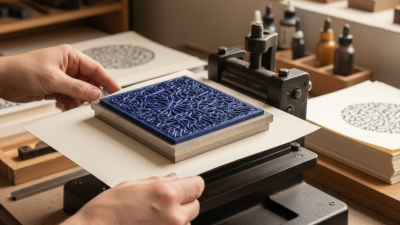
A tabletop letterpress is a compact press that transfers ink from raised type or a raised printing plate onto paper. Pressure creates the impression, sometimes leaving a subtle dent you can feel with a fingertip. The result has a tactile quality that digital printing rarely matches. Small presses suit home studios, classrooms, and modest print runs, though setup and hand feeding take patience.

A tabletop press can print greeting cards, stationery, invitations, gift tags, and small art prints. It works best with simple designs, clear spacing, and paper that can handle pressure. Fine lines and tiny lettering may print unevenly, especially when the press is not adjusted well. My first test would be a plain text card on inexpensive stock; it reveals spacing problems before better paper is used. Expect a learning curve. Letterpress is not an efficient choice for large runs or photographic detail.

Tips: Check the press’s printable area against your planned work, and confirm that suitable type or plates are available. Try several paper weights and keep notes on ink, pressure, and alignment. A little inconsistency is normal, but repeated blank spots usually signal an adjustment issue—not a charming feature.

What Can a Tabletop Letterpress Print?

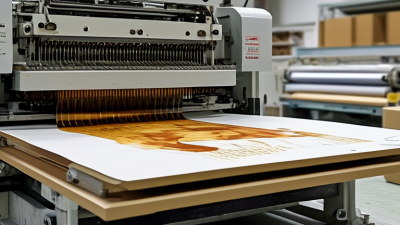
Tabletop letterpresses can print invitations, cards, stationery, and other small-format pieces. These standard paper dimensions are examples of formats a project might use—not guaranteed press capacities. The printable area depends on the press’s platen, chase, and setup.

How to Define Your Printing Needs and Workspace

Before choosing a tabletop letterpress, define what you expect it to print. Small cards, invitations, and short-run art prints each place different demands on the press. Note your usual paper size, thickness, and daily volume. A press that handles occasional postcards may feel limiting when you need larger sheets or repeated runs. Measure a few real projects rather than guessing. Keep a sample nearby.

Your workspace matters just as much. Measure the table, including room for paper stacks, tools, and your hands to move safely. Check the press’s weight and whether the surface stays steady during operation. A wobbly table can make careful alignment frustrating. Allow space for drying prints, too; a crowded corner can lead to smudges. Check the light. You’ll need to see ink coverage and registration clearly, especially on detailed work.

Think about storage and cleanup before bringing equipment home. Ink, rollers, and paper need orderly, accessible places, while the work surface should be easy to wipe. I once underestimated how much room drying sheets would take. That mistake is easy to repeat. If possible, mark the press footprint with tape and work through a typical printing session in that space. A little awkwardness in the test is useful information.

How to Choose the Best Tabletop Letterpress in 2026? — How to Define Your Printing Needs and Workspace

Planning dimension What to assess Practical planning guide Why it matters
Typical work Business cards, invitations, small art prints, or short-run stationery List your most common job sizes, quantities, and how often you expect to print. A press suited to occasional small pieces may be inefficient for frequent or larger jobs.
Maximum image area The largest printable design area, not merely the machine’s outside dimensions Choose an image area that accommodates your largest planned design, with room for margins and registration. A form larger than the press’s usable area cannot be printed in one impression.
Press mechanism Platen-style or small cylinder-style construction Compare how each mechanism handles your intended format, pressure needs, setup, and operating pace. Mechanism affects the printing motion, access to the form, and the kinds of jobs the press can handle comfortably.
Paper and board Paper weight, thickness, surface, and whether you plan to use heavier stock Check the press’s documented stock range and feeding or packing requirements; test unfamiliar materials before a full run. Stock that is too thick or uneven can affect feeding, impression, and print consistency.
Workspace footprint Machine dimensions plus space for operation, setup, and paper handling Measure the bench and access route. Leave clear working space around moving parts and room for stock and finished sheets. A tabletop press still needs usable clearance beyond its listed footprint.
Bench and floor Press weight, operating force, bench stability, and floor capacity Use a level, rigid bench; confirm the bench and floor can safely support the machine and its operation. A flexible or unstable support can make operation less predictable and may create safety concerns.
Power and lighting Whether the press is manual or powered, plus task lighting and nearby outlets if needed Verify the specific machine’s power requirements and arrange bright, even lighting for setup and inspection. Electrical needs vary by machine; good lighting helps with registration and quality checks.
Noise and ventilation Operating noise, ink products, cleaning materials, and the room’s ventilation Follow product safety labels and safety data sheets; provide suitable ventilation for the inks and cleaners you use. Room conditions and material handling affect comfort and safe day-to-day use.
Setup and accessories Included parts, type-high requirements, chase or bed compatibility, and available accessories Request a complete specification and confirm what is included before comparing prices. A press may require compatible equipment and materials that are not included with the machine.
Maintenance and support Condition, replacement parts, manuals, service options, and operator training For used equipment, inspect wear and request operating history; confirm that essential parts and instructions are available. Support and parts availability can affect the time and cost required to keep a press working.
Decision check Fit between planned jobs, usable print area, materials, workspace, and total setup cost Compare the manufacturer’s specifications with your measurements and, where possible, arrange a demonstration or test print. A practical match is more useful than choosing by size or price alone.

Planning note: Dimensions, capacity, and operating requirements vary by model and condition. Confirm specifications with the seller or manufacturer before purchase.

Which Press Types, Sizes, and Materials to Compare

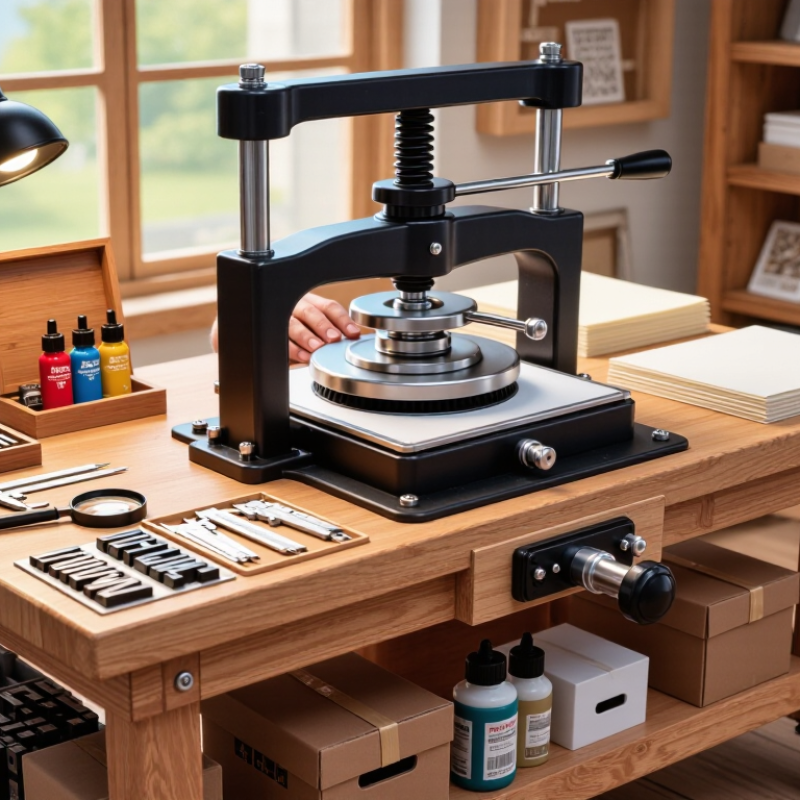
Choosing a tabletop letterpress starts with the press type. A small platen press closes paper against a flat form, making it useful for cards, labels, and short runs. A tabletop proof press rolls paper over type on a flat bed; it can suit testing layouts, though feeding and pressure may take practice. Try to inspect the press in motion, not just in photographs. Watch for uneven contact and awkward access to the ink rollers. Small details matter.

Compare the printable area with the work you actually plan to make. A press may look compact, yet its chase or bed may not fit a common card size with room for grippers. Measure both the paper and the type area. Then consider weight and materials. Cast iron can feel stable, but it is heavy to move; lighter metal frames are easier to handle but may flex under pressure. Check roller condition, platen alignment, and whether replacement parts are available. A smooth handle is not proof of even printing. A test impression on scrap paper can reveal pale corners or crushed edges. It is tempting to buy the largest press that fits the budget. That may be a mistake if the press is difficult to lift, store, or maintain.

How to Evaluate Print Quality, Ease of Use, and Maintenance

A tabletop letterpress should be judged by the sheet it produces, not by its polished frame. Ask for a sample printed on paper similar to yours. Look closely at small type, fine lines, and solid areas. Are the edges clean? Does the ink look even, or does one corner appear faint? A light impression may suit delicate stationery, while deeper type can leave a tactile mark. Too much pressure, though, can crush paper fibers. Bring a simple test design if possible. It reveals more than a quick demonstration.

Ease of use shows up in small adjustments. Check whether the platen opens smoothly and whether the paper guides hold a sheet square without fuss. Try loading several sheets, not just one. Does the setup stay consistent? It should not require constant guesswork. Still, a little learning is normal. My first test would probably be slower than expected. That is worth admitting.

Maintenance affects print quality over time. Ask how to clean ink from the rollers and which parts need regular inspection. Look for accessible adjustment points, sturdy fasteners, and clear care instructions. After a short run, check for uneven ink pickup or loose components. Keep a simple log of pressure, paper, and ink settings; it can save repeated trial and error. Some variation is inevitable, especially with handmade paper. The useful question is whether the press makes that variation manageable.

How to Match Your Budget, Accessories, and Support to the Right Press

How to Choose the Best Tabletop Letterpress in 2026?

How to Match Your Budget, Accessories, and Support to the Right Press

A tabletop letterpress should fit your actual work, not an imagined studio. Estimate how often you will print, your largest sheet size, and the thickness of your usual stock. A compact press may handle cards and small editions well, but feel limiting for broad designs. Check the platen’s condition and movement, and ask for a test impression if possible. Uneven pressure can leave pale corners, even when the center looks crisp. It happens.

Set a budget that includes more than the press. You may need composing tools, a chase, packing, rollers, ink, and suitable paper. Some accessories are easy to find; others can take time to replace. Ask what is included, what needs adjustment, and whether setup guidance or repair support is available. Clear answers matter. A low purchase price is less appealing if essential parts are missing or you cannot get practical help.