What is the Best Slitting Unit for Your Production Needs?
In the fast-paced world of manufacturing, selecting the right Slitting Unit can significantly impact production efficiency. Industry expert John Smith emphasizes, “A well-chosen slitting unit can reduce waste and increase output.” Every production line is unique, making the decision complex. Different materials and production volumes require distinct slitting capabilities.
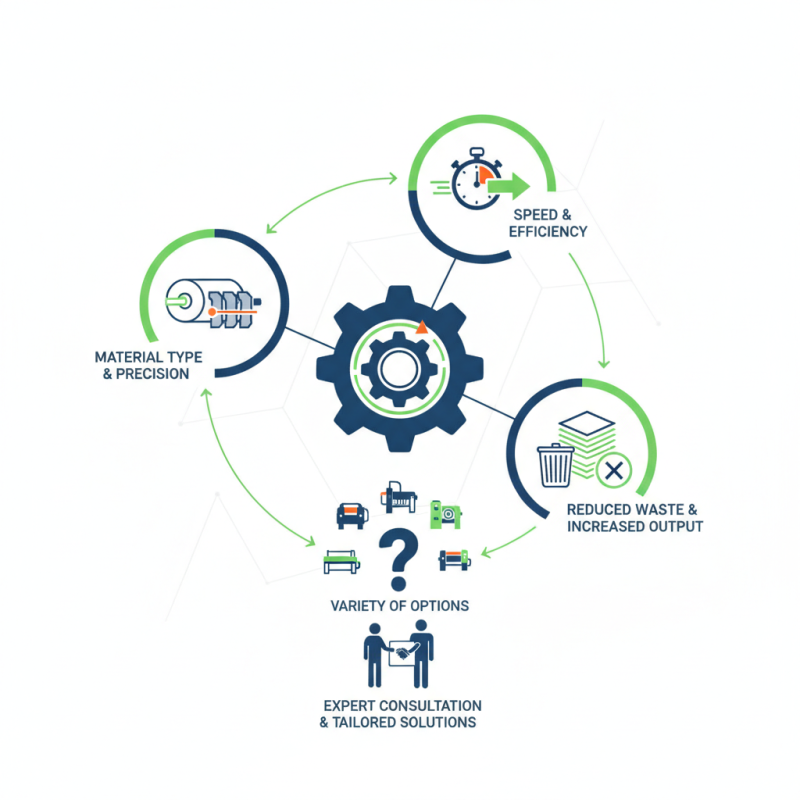
Understanding your specific needs is essential. Factors such as speed, precision, and material type play critical roles. The variety of slitting units on the market can be overwhelming. Each option presents its pros and cons. Choosing the wrong unit may lead to inefficiencies and increased costs.
Many manufacturers underestimate the importance of consultation. Engaging with experts can reveal insights that might otherwise be overlooked. The goal is not just to buy equipment but to invest in a solution tailored to your production demands. The right Slitting Unit should enhance performance while minimizing errors. Each detail matters, and a slightly misaligned choice can result in significant setbacks.
Understanding the Different Types of Slitting Units for Production
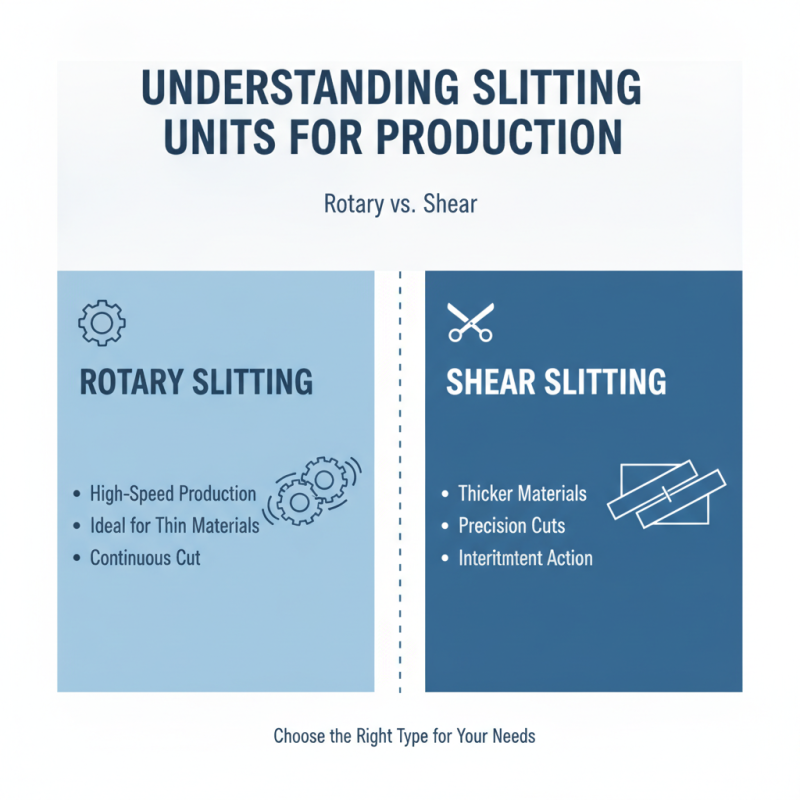
When selecting a slitting unit for production, it’s vital to understand the various types available. Slitting units can be classified into rotary and shear types. Rotary slitting is often preferred for high-speed production, while shear slitting is better for thicker materials. Each type has its unique benefits and limitations.
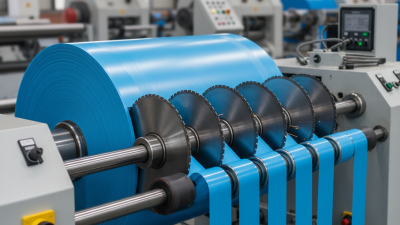
Rotary slitting units use circular knives to slice through materials smoothly. They are efficient for cutting films and foils, producing consistent edges without fraying. However, they may struggle with very thick substrates, presenting challenges in maintaining precision. On the other hand, shear slitting units use a horizontal blade to shear the material. They offer versatility, especially for different thicknesses. Yet, the speed of operation might not match that of rotary systems.
It's important to consider your production needs. Evaluate the materials, thickness, and desired quality. Additionally, consider the maintenance requirements of each unit. Some slitting machines demand more intervention, which can disrupt production. Balancing efficiency and reliability is crucial for making an informed decision. Choosing the right slitting unit can impact your overall workflow significantly.
Key Factors Influencing the Selection of Slitting Machines
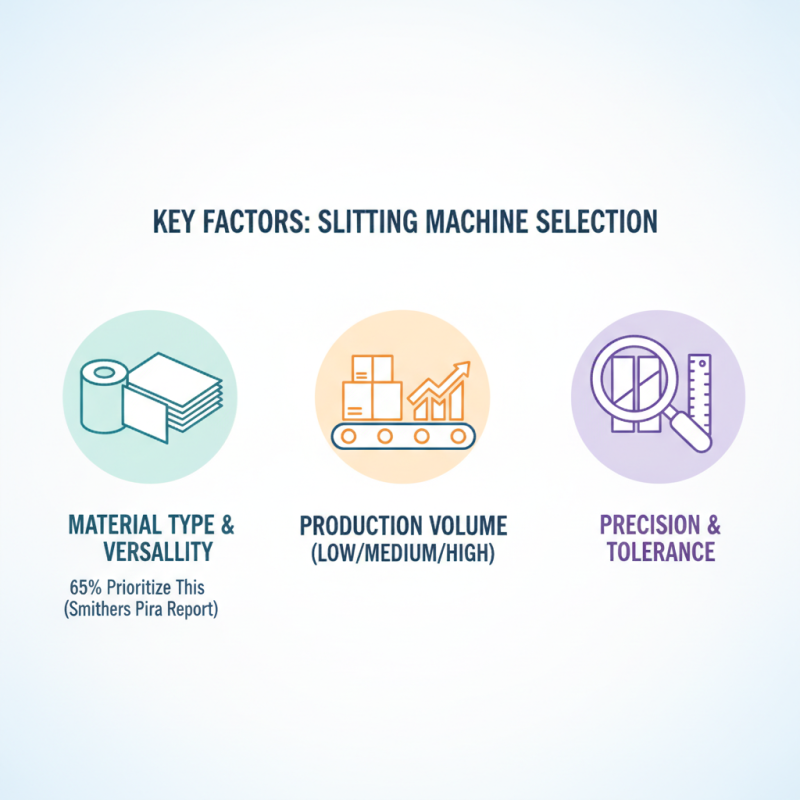
When selecting a slitting machine, several key factors must be considered. The type of materials, production volume, and desired precision all play crucial roles in the decision-making process. According to a report by Smithers Pira, 65% of manufacturers prioritize material versatility when choosing equipment. This reflects industry trends where diverse media, from flexible films to heavy-duty papers, are common.
Another critical aspect is the machine's efficiency. High-speed slitting units can boost output significantly. Data from the European Slitting Machinery Association indicates that modern slitting machines can operate at speeds up to 1,200 meters per minute. However, higher speeds can sometimes lead to quality issues, such as increased scrap rates. For instance, a perfectly aligned slit can minimize waste but requires precise calibration.
Maintenance and adaptability also influence the selection process. Frequent downtime for repairs can cripple production lines. It's important to look for machines that allow easy adjustments. Some operators have noted that failing to consider the ease of maintenance can lead to unanticipated costs. This raises the question: how can we balance high performance with reliability?
Comparative Analysis of Manual and Automated Slitting Options
When choosing a slitting unit, the decision between manual and automated options is crucial. Manual slitting machines allow for higher flexibility in operations. They can be adjusted for different materials and thicknesses. Operators can intervene directly to troubleshoot and optimize the process. However, this flexibility comes at a cost; it requires skilled labor and can lead to variability in output quality. Human error remains a significant factor in efficiency and precision.
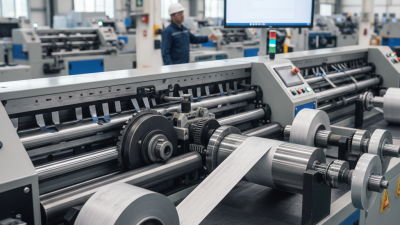
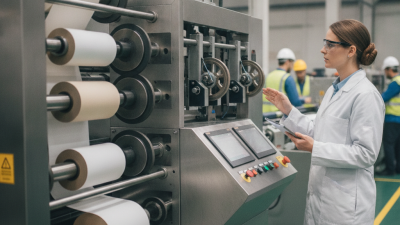
On the other hand, automated slitting units bring consistency and speed. These machines streamline the production process, reducing downtime and increasing throughput. They are built to minimize errors. But automation isn't without its challenges. Initial investments are higher, and maintenance can be complex. Moreover, relying solely on machines may reduce the workforce's skill base over time. Balancing automation and skilled manual labor can be difficult. Each option presents unique benefits and challenges that must be weighed carefully based on specific production needs.
Industry Insights: Slitting Machine Specifications and Performance
When selecting a slitting unit, understanding machine specifications and performance is crucial. The conversion efficiency of slitting machines can greatly impact production rates. For instance, a recent report indicated that high-speed machines can achieve speeds of up to 600 meters per minute, while slower models operate around 300 meters per minute. This performance variation can alter production schedules and material costs significantly.
In terms of specifications, precision is key. Machines with tighter tolerances often provide better quality outputs, reducing waste. According to the latest industry analysis, slitting machines with a tolerance of ±0.1 mm yield a 30% reduction in material waste compared to those with ±0.5 mm tolerance. However, finding the right balance between cost and performance is essential. Some users report that cheaper models can compromise on durability and throughput.
It's not just about speed and accuracy. User feedback suggests that maintenance plays a significant role in overall efficiency. Many operators highlight that extended downtimes for maintenance can offset the benefits of high-speed machines. Thus, while specifications are important, real-world performance and user experiences should also guide decisions. In a landscape where every second counts, these insights can help refine the search for the ideal slitting unit.
Cost-Benefit Evaluation of Various Slitting Unit Models
When choosing the best slitting unit, evaluating costs and benefits is crucial. Different models come with varying features and price points. Understanding your production needs can lead to better decision-making. Assessing speed, precision, and adaptability will guide you.
Tips: Always consider your production volume. Higher volume may justify a more expensive unit for efficiency.
Also, analyze the technical support available. Reliable support can reduce downtime and maintenance costs. Look for user reviews and case studies to gauge real-world performance.
Every option has trade-offs. A low-cost model may lack features. It might not meet long-term needs. A thorough evaluation process is invaluable to avoid regrets. Take the time to weigh every aspect carefully. It can save both money and hassle in the future.
What is the Best Slitting Unit for Your Production Needs? - Cost-Benefit Evaluation of Various Slitting Unit Models
| Model |
Max Width (mm) |
Speed (m/min) |
Blade Type |
Price ($) |
Benefit Rating |
| Model A |
1600 |
400 |
Rotary |
15,000 |
8.5/10 |
| Model B |
2000 |
350 |
Shear |
12,000 |
9.0/10 |
| Model C |
1800 |
600 |
Rotary |
20,000 |
9.5/10 |
| Model D |
1500 |
450 |
Shear |
10,000 |
7.0/10 |
| Model E |
2200 |
300 |
Rotary |
18,000 |
8.0/10 |

 Contact immediately

 Contact Phone
 Contact Email