Why Choose a Die Cut Printer for Your Business Needs?
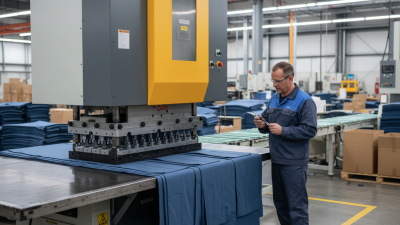
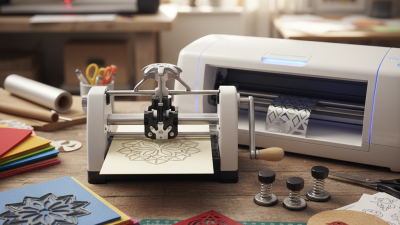
In today’s competitive market, a Die Cut Printer can elevate your business's printing capabilities. This specialized equipment allows for unique shapes and intricate designs that stand out. With the ability to create custom packaging, labels, and promotional materials, your branding can achieve a new level of flair and engagement.
Investing in a Die Cut Printer offers numerous benefits. It provides extensive customization options that traditional printing methods simply can't match. Businesses can create distinctive products that catch the eye and convey their brand message effectively. Yet, the initial costs and learning curve can be challenging.
Choosing the right Die Cut Printer may feel overwhelming. Different models cater to various needs and budgets. Understanding your specific requirements will help you make a more informed decision. Additionally, quality and service reliability should be considerations as well as cost. Embrace the potential of this technology, and your business could flourish in previously unimagined ways.
Benefits of Die Cut Printing for Business Branding
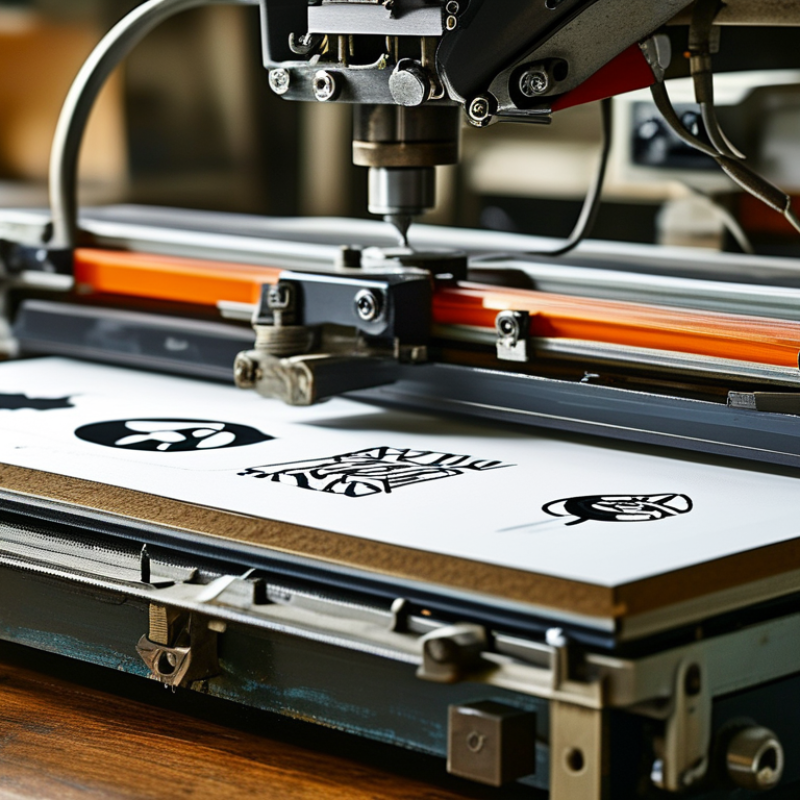
Die cut printing offers businesses an innovative approach to branding. This method allows for intricate shapes and designs that easily capture attention.
Unique visuals can set a brand apart in a crowded market, making products more memorable.
A well-executed die cut can enhance packaging, labels, and promotional materials, resonating with customers.
Tips: Consider using die cut designs that align with your brand identity.
Experiment with shapes that reflect your product’s purpose. Ensure that the designs are not overly complex,
as simplicity often leaves a stronger impression.
Additionally, die cut printing can elevate your marketing materials. Custom shapes can communicate messages effectively while increasing the tactile experience.
When consumers hold a uniquely cut brochure or business card, it creates an engaging interaction.
Think about how your audience will perceive these materials.
Will they feel more attracted or confused? Reflect on your designs to maximize their potential.
Remember, a die cut print needs to be functional as well as artistic.
Balance aesthetics with practicality.
Visibility and readability should not suffer for the sake of creativity.
Consider testing various designs to find the best fit for your needs.
Versatility of Die Cut Printers in Customization Options
Die cut printers are transforming the way businesses approach customization. They offer an impressive range of options to create unique products that capture customer attention. From intricate shapes to varied materials, die cut technology allows for endless creativity. Businesses can produce personalized labels, packaging, or promotional materials that stand out in a crowded market.
Customization goes beyond just shape. Color and texture play essential roles in design. Utilizing different substrates enhances the tactile experience, making products more appealing. However, achieving consistency poses challenges. Ensuring each print matches the last can be difficult. A well-calibrated die cut printer can mitigate these issues, but variability remains a concern.
Effective use of die cut printers also requires understanding customer trends. Market preferences fluctuate, and keeping up with these changes demands ongoing research. Experimenting with designs is beneficial but can sometimes lead to misalignment with brand identity. Testing limited runs allows businesses to gauge reactions before committing to larger quantities. This approach highlights the balance between creativity and reliability in using die cut technology for custom solutions.
Cost-Effectiveness of Using Die Cut Printers in Production
Die cut printers offer notable cost-effectiveness for businesses looking to streamline production. Reports indicate that companies using these printers can reduce waste by up to 30%. This reduction in material loss directly translates into lower costs. Investing in die cut technology can lead to significant savings on raw materials and production time.
Additionally, die cut printers enhance efficiency in production cycles. Studies show that businesses can improve their output by more than 20% with these machines. They allow for quick adjustments in design without the need for extensive setup changes. This adaptability makes them ideal for smaller runs and custom orders, where traditional methods may be less feasible.
Companies also benefit from the high-quality output of die cut printers. With precision cutting, businesses can achieve intricate designs that attract customers. However, some companies might hesitate due to initial setup costs. Yet, many find that this investment pays off in the long run. High quality often leads to better customer satisfaction and repeat business.
Why Choose a Die Cut Printer for Your Business Needs? - Cost-Effectiveness of Using Die Cut Printers in Production
| Feature |
Traditional Printing |
Die Cut Printing |
| Initial Setup Cost |
High |
Moderate |
| Production Speed |
Moderate |
High |
| Material Usage |
More Waste |
Less Waste |
| Customization Options |
Limited |
Extensive |
| Maintenance Cost |
High |
Low |
| Labor Requirements |
Higher |
Lower |
| Final Product Quality |
Standard |
High Quality |
Choosing the Right Die Cut Printer for Your Business Needs
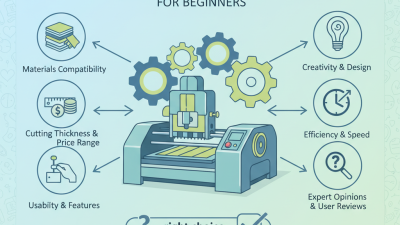
When selecting a die cut printer, consider your specific business needs. Different printers excel in varied tasks. For instance, industries requiring intricate designs may benefit from advanced laser technology. Meanwhile, those focused on volume might find impact die cutting more suitable. According to a 2022 industry report, nearly 70% of businesses report enhanced efficiency with the right equipment.
1. Tips for selecting a die cut printer: Look for printers with variable cut depth settings. This feature allows for greater versatility in projects. Always check the maximum media size your potential printer can handle. It’s crucial to match this with your needs.
Additionally, assess the support and resources available for troubleshooting. A manufacturer with a strong customer service record provides peace of mind. According to recent data, about 40% of buyers prioritize post-purchase support when making their decisions. Reflect on how this could impact your operations.
Make sure to understand your material compatibility. Not all printers work well with every type of material. Misalignment here could lead to wasted resources and time. An ideal printer will handle various substrates effectively, improving your output quality.
Enhancing Marketing Strategies with Die Cut Printing Techniques
Die cut printing techniques can revolutionize marketing strategies. These methods allow for unique shapes and designs that capture attention. When customers see a product with an interesting silhouette, they are more likely to engage. This strategy stands out in a crowded market, making your brand memorable.
Utilizing die cut prints can enhance branding efforts. Custom shapes make packaging and promotional materials more interactive. For instance, a business card shaped like a product can spark conversations. These creative designs invite customers to explore the offerings further. However, it's crucial to balance creativity with functionality. Sometimes, designs can overwhelm or confuse potential clients.
Feedback is essential for refining these strategies. Collecting customer reactions can highlight what works. Adjustments may be needed based on this input. Not every die cut design will resonate with all audiences. Finding the right balance takes time and experimentation. Businesses must remain agile in their approach.
Benefits of Die Cut Printing in Marketing Strategies

 Contact immediately

 Contact Phone
 Contact Email