Contact immediately


Choosing the right Paper Rewinding Machine is crucial for your business success. The machine impacts efficiency and product quality. With a sea of options available, it's essential to identify the best fit for your operation.
Many factors play a role in this decision. Understanding your production needs is vital. Consider the materials you handle and the desired output. A well-chosen Paper Rewinding Machine can significantly enhance your workflow.
Investing time in research pays off. Engaging with industry experts can provide valuable insights. Reflecting on your unique requirements can guide you toward a more informed choice. A wrong decision may lead to operational setbacks. Therefore, thoughtful consideration is key to making the right investment.
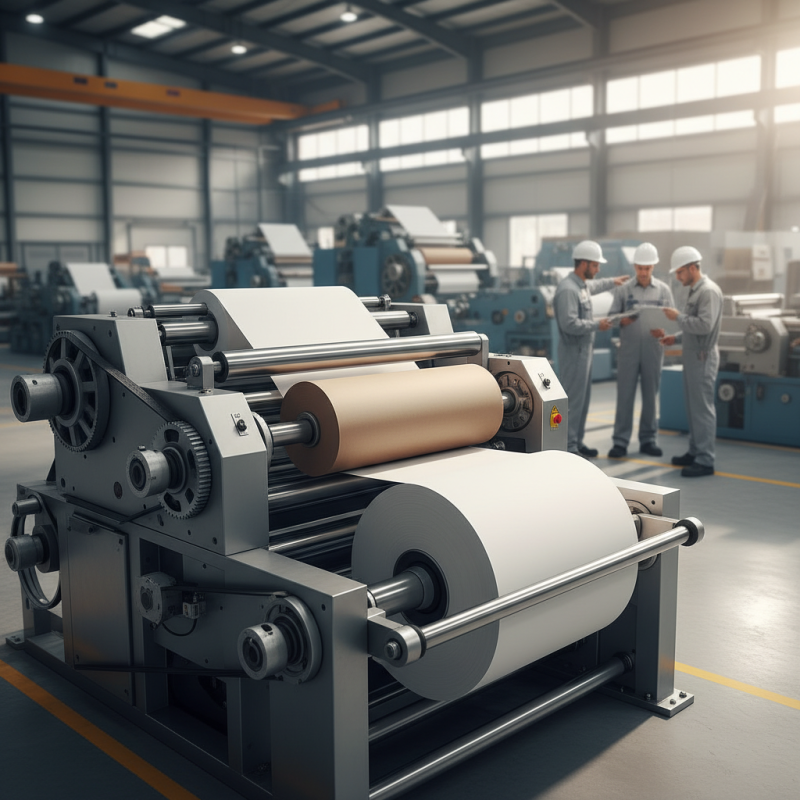
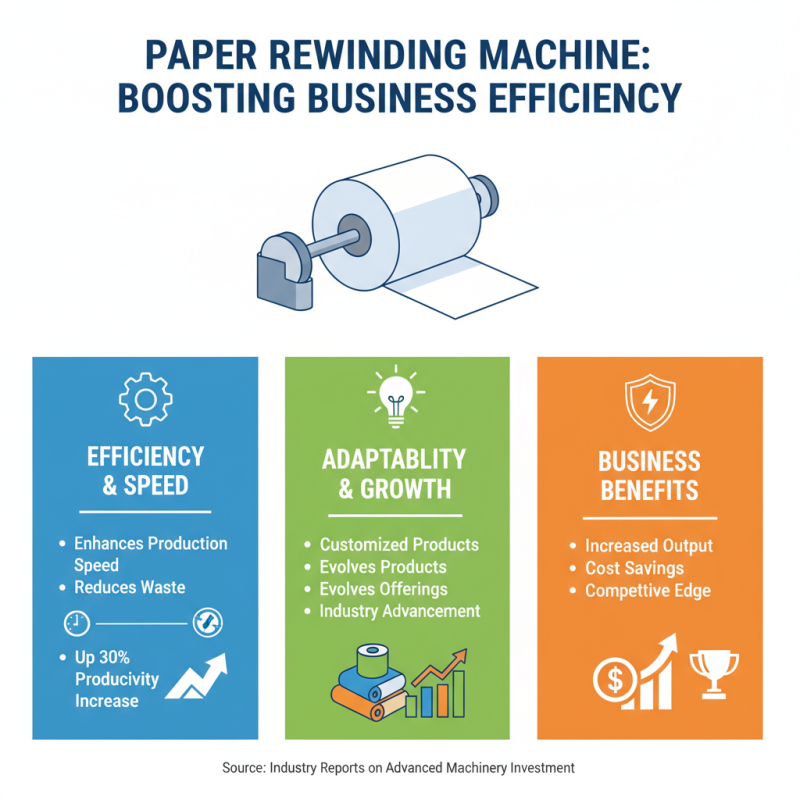
In understanding the role of a paper rewinding machine in your business, it's essential to consider its efficiency and adaptability. A well-functioning rewinding machine can enhance production speed and reduce waste. According to industry reports, businesses that invest in advanced machinery can see a productivity increase of up to 30%. This not only boosts output but also allows for the evolution of customized product offerings.
Different businesses have unique needs. A machine that works efficiently for one company may not be suitable for another. Factors such as paper type, thickness, and desired roll size play a crucial role in this decision. The right rewinding machine must meet these specifications while also being reliable. Insufficient machine performance can lead to downtime, costing companies an estimated $30,000 per year in lost productivity.
It’s also important to consider the support and maintenance of the equipment. Foundational training for staff can empower them to maximize the machine's capabilities. Untrained operators can contribute to extended downtimes through mishandling. Investing in learning opportunities allows your business to tap into the full potential of your rewinding machine, ultimately leading to better product quality and consistency. Choosing wisely can make a significant difference.
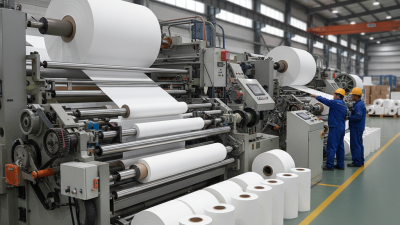
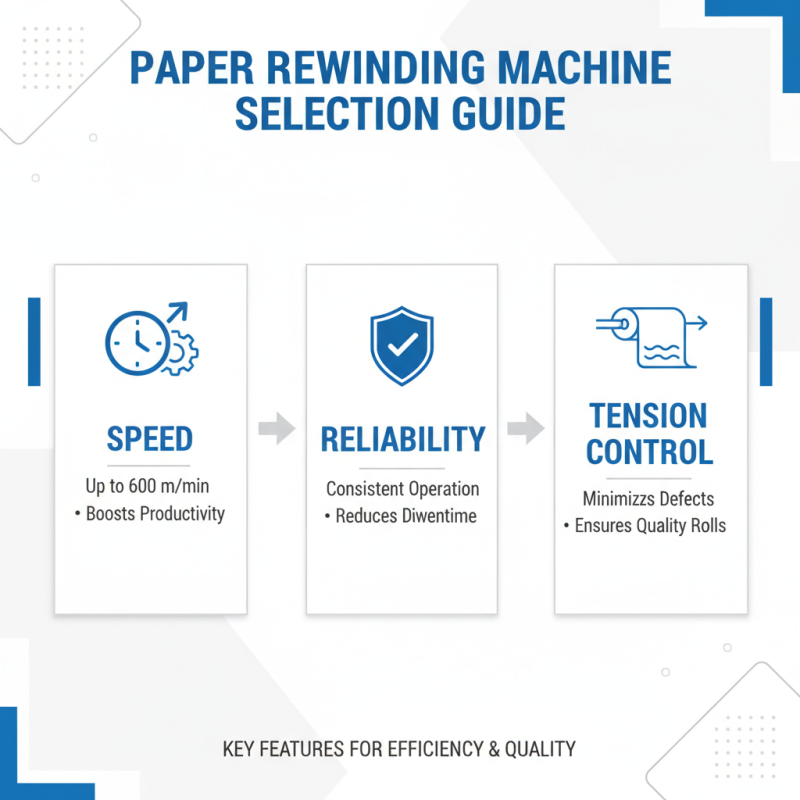
When selecting a paper rewinding machine, consider several key features that can impact efficiency. The machine's speed is paramount. High-speed models can enhance productivity, achieving up to 600 meters per minute. However, reliability must not be compromised for speed. Machines with advanced tension control minimize defects, ensuring quality rolls every time.
Ensure the machine accommodates various paper types and widths. Some models can handle up to 1,000 mm wide, while others may be limited. Think about the ease of operation, too. A user-friendly interface can significantly reduce training time for staff.
**Tip:** Always check for service support. Machines require maintenance, and having access to expert help is vital. Investing in knowledgeable support can prevent long downtimes.
Finally, assess the machine's energy efficiency. According to industry data, energy-efficient machines can reduce operational costs by up to 30%. This can be a great long-term saving for your business. However, higher initial costs may need careful budgeting. Reflecting on the balance between cost and performance is crucial for making an informed decision.
When selecting a paper rewinding machine, understanding the various types available is crucial. The market offers a range of machines designed for specific applications. For instance, there are single-slitter machines suited for low-volume operations. These machines are often more affordable and compact but may limit performance for larger projects.
In contrast, high-speed, multi-slitter machines target businesses with significant production needs. According to industry reports, these machines can handle speeds up to 1,000 meters per minute. Despite their efficiency, they also present challenges, such as higher operational costs and maintenance requirements. Businesses must weigh the potential return on investment against these factors.
Moreover, the availability of automation features can greatly impact productivity. Automated rewinders often incorporate advanced technology, facilitating streamlined operations. Yet, not all companies require such features. Some may find manual machines sufficient for their lower production needs. This diversity in options underscores the importance of aligning machinery selection with business goals. Evaluating the specific operational demands and budget constraints will guide businesses toward the most suitable paper rewinding solution.
When evaluating paper rewinding machines, cost-effectiveness is crucial for any business. Analyzing the initial investment is a starting point. Machines vary widely in price, and understanding the specifications can help in making informed decisions. It is not just about the cost but also about how these machines can lower operational expenses over time.
Consider energy consumption as a key factor. Some machines are designed to be more energy-efficient, which can reduce costs significantly. Regular maintenance may incur additional costs, yet these need to be weighed against potential downtime. Evaluate the longevity of the machine. A more expensive unit may prove to be more reliable, thus reducing replacement costs in the long run.
Another aspect is the capability to handle different paper types. A versatile machine might accommodate various products, increasing output. However, this feature may come with a higher price tag. Reflecting on your business needs can guide these choices. Finding balance amid cost, quality, and features often leads to better productivity. Consider what truly adds value to your operations; this reflection can drive smarter investments.
When investing in a paper rewinding machine, maintenance and support are crucial. Regular upkeep extends the machine's lifespan and ensures efficient operation. Create a maintenance schedule. Track daily checks and routine servicing. This proactive approach prevents major breakdowns and costly repairs.
Tips: Always use quality lubricants. Check for wear and tear regularly to catch issues early. Don’t overlook the importance of proper operator training. An experienced operator can identify problems before they escalate.
Support from the manufacturer is essential. Ensure your supplier offers comprehensive assistance. This includes installation, training, and troubleshooting. Ask about the availability of replacement parts and service contracts. Support can make a significant difference in minimizing downtime.
Consideration of maintenance procedures can be daunting. Many operators neglect simple tasks due to time constraints. Re-evaluate maintenance practices if productivity dips. Do not hesitate to implement changes to improve efficiency.
| Feature | Importance | Recommended Frequency of Maintenance | Expected Lifespan |
|---|---|---|---|
| Roller Quality | High | Every 6 months | 8-10 years |
| Drive System | Medium | Monthly Checks | 7-9 years |
| Control Panel | High | Quarterly Updates | 5-7 years |
| Safety Features | Critical | Annual Review | 10+ years |
| Blade Adjustment | Medium | Every 3 months | 6-8 years |