Top Die Cutting Press Techniques for Efficient Production?
The die cutting press stands as a cornerstone in modern manufacturing. Its precision and efficiency can greatly enhance production capabilities. However, mastering the best techniques is crucial for operators seeking optimal performance. In a competitive market, a well-tuned die cutting press can spell the difference between success and inefficiency.
Consider the variety of materials that a die cutting press can handle. Each requires a tailored approach for best results. Experienced operators understand that adapting techniques to the material type is essential. This flexibility ensures that the final products meet quality standards.
Yet, challenges persist in mastering die cutting press operations. Common issues include misalignment and wear on cutting tools. These can lead to costly production delays. By reflecting on these difficulties, manufacturers can implement training programs that address specific areas of concern, ultimately improving both skill sets and production outcomes.
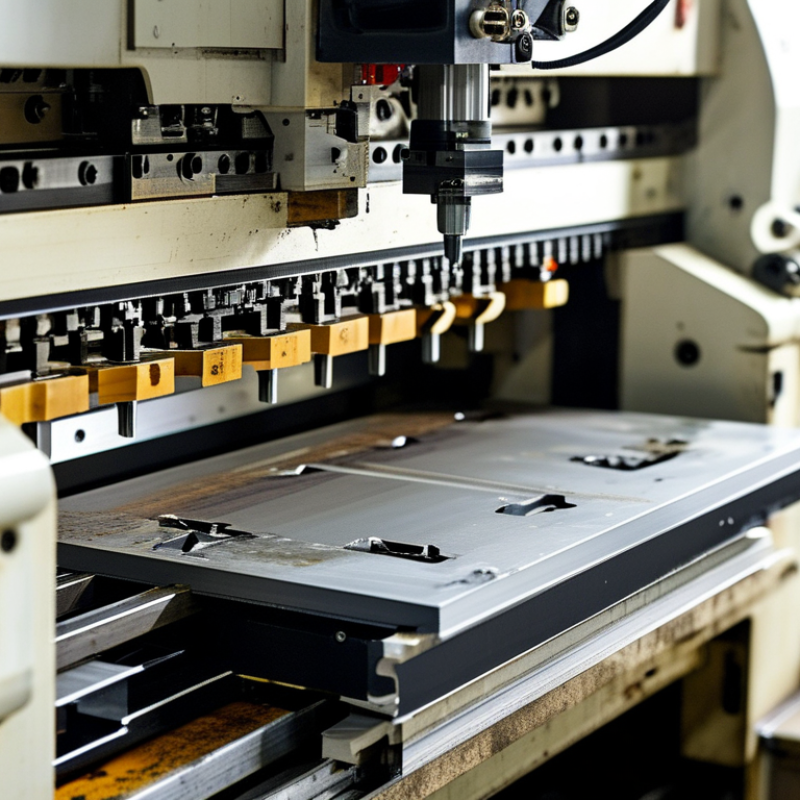
Key Concepts of Die Cutting Press Techniques
Die cutting is an essential process in manufacturing. Understanding
key die cutting press techniques can enhance production efficiency. One important
technique is the selection of dies. Different materials require varied die types.
Choosing the right die impacts precision and cost.
Creating a well-organized workflow is also critical. Streamlining production steps minimizes waste.
Consider implementing checklists to maintain consistency. This will help avoid errors and miscommunications.
Conduct regular assessments to gauge workflow efficiency.
Tips: Always monitor press settings.
Small adjustments can lead to significant improvements.
Invest in training for operators. Skilled workers increase the quality of the output.
Lastly, ensure safety measures are clear. A secure environment is crucial for effective production.
Types of Die Cutting Presses and Their Applications
Die cutting presses are essential tools in various industries, offering precision and efficiency. Understanding their types and applications can enhance production methods. Two main types are flatbed and rotary die cutting presses. Flatbed presses are ideal for intricate designs, making them a go-to for custom packaging. They accommodate various materials, including paper and cardboard. However, they can be slower than rotary presses.
Rotary die cutting presses excel in high-speed production. They work well for mass-producing items like labels and stickers. These presses offer continuous feeding, which boosts efficiency. Yet, they can struggle with complex shapes, requiring careful planning.
**Tips:** Always assess material thickness before choosing a die cutting type. Experiment with different designs to evaluate efficiency. Proper die maintenance is crucial for consistent quality. Avoid common pitfalls like underestimating setup times. Track production metrics to refine your process.
Top Die Cutting Press Techniques for Efficient Production
| Type of Die Cutting Press |
Application |
Material Compatibility |
Production Speed (units/hour) |
Typical Use Cases |
| Rotary Die Cutting |
High-volume production |
Paper, plastics |
2000-6000 |
Labels, packaging |
| Flatbed Die Cutting |
Custom shapes and sizes |
Cardboard, plastic sheets |
100-500 |
Boxes, displays |
| Digital Die Cutting |
Short runs, prototyping |
Vinyl, paper |
50-300 |
Custom labels, crafts |
| Hydraulic Die Cutting |
Heavy-duty applications |
Rubber, thick materials |
300-1000 |
Industrial gaskets, seals |
Essential Tools and Materials for Efficient Production
Die cutting requires precise tools and materials for efficient production. Start with a reliable die cutting machine, designed for versatility and durability. A well-maintained machine can handle various materials, ensuring consistent quality. Select a cutting die that matches your design specifications. This die impacts precision and the overall production speed.
Choosing the right materials is equally crucial. Use high-quality cardstock or specialty paper for optimal results. These materials influence the sharpness of edges and overall finish. Always test different substrates to find what works best. Adjustments may be needed for thickness and texture.
Don’t overlook the importance of proper maintenance and setup. Regular checks on your equipment can prevent costly downtime. Documentation of production processes aids in identifying issues. An organized workspace enhances efficiency and minimizes errors. Reflecting on past projects can highlight improvement areas, leading to better outcomes.
Top Die Cutting Press Techniques for Efficient Production
This chart displays the frequency of different die cutting techniques used in efficient production processes. The techniques include Flatbed, Rotary, and Digital Cutting, with their respective utilization rates represented in the bar graph.
Best Practices for Maintaining Die Cutting Equipment
Maintaining die cutting equipment is crucial for ensuring efficient production. Regular maintenance not only extends the life of your machines but also enhances their performance. Check your equipment daily for wear and tear. Look for any unusual noise or vibration during operation. This can indicate a misalignment or an impending failure.
TIP: Create a daily checklist for operators to follow. This checklist should include visual inspections and basic operational tests. Simple steps can prevent bigger issues later.
It’s important to lubricate your die cutting machines regularly. Use the right type of lubricant as specified by manufacturers. This helps reduce friction and keeps the machinery running smoothly. Over-lubrication can create a mess; under-lubrication leads to wear.
TIP: Schedule lubrication tasks at set intervals based on usage. Keep a log of these maintenance actions for future reference.
Training staff in equipment care is essential. Encourage them to report problems immediately. This proactive approach can save time and money. Implementing these best practices can make a real difference in production efficiency.
Improving Workflow and Productivity in Die Cutting Operations
Effective die cutting operations require careful workflow management. Streamlining processes can significantly enhance productivity. Key areas to focus on include machine setup, scheduling, and material handling. Each step should be analyzed for efficiency. For instance, minimizing downtime during machine changeovers is crucial. Operators should be trained to troubleshoot minor issues quickly.
Another important aspect is the organization of workspaces. An optimized layout can reduce unnecessary movement and enhance productivity. Tools and materials should be accessible. Visual aids can help staff quickly locate necessary items. Regular maintenance of equipment is also vital to prevent unplanned breakdowns. A reliable maintenance schedule can lead to smoother operations.
However, challenges can arise. Inexperienced operators may struggle with complex machinery. Continuous training and skill development are necessary but often overlooked. Regular feedback sessions can help identify areas for improvement. Encouraging a culture of open communication fosters a more efficient work environment. Retrospective analysis of production data can guide future strategies.

 Contact immediately

 Contact Phone
 Contact Email