Top Digital Label Press Solutions for Global Buyers?
The digital label press market is evolving rapidly. It caters to the increasing demand for high-quality, customizable labels. Global buyers face many choices when selecting the right label press. This landscape is filled with innovative technologies, each offering unique advantages.
Label presses are crucial for businesses looking to enhance their branding. With features like quick customization and efficient production, these presses can significantly streamline operations. However, navigating this complex market isn't easy. It's essential to understand the specific needs of your business to make an informed decision.
As buyers explore their options, they must weigh factors like reliability and print quality. Some presses excel in certain applications while falling short in others. Balancing these requirements can be challenging but is vital for long-term success. Ultimately, the right label press can be a game-changer in an increasingly competitive landscape.
Overview of Digital Label Press Technologies
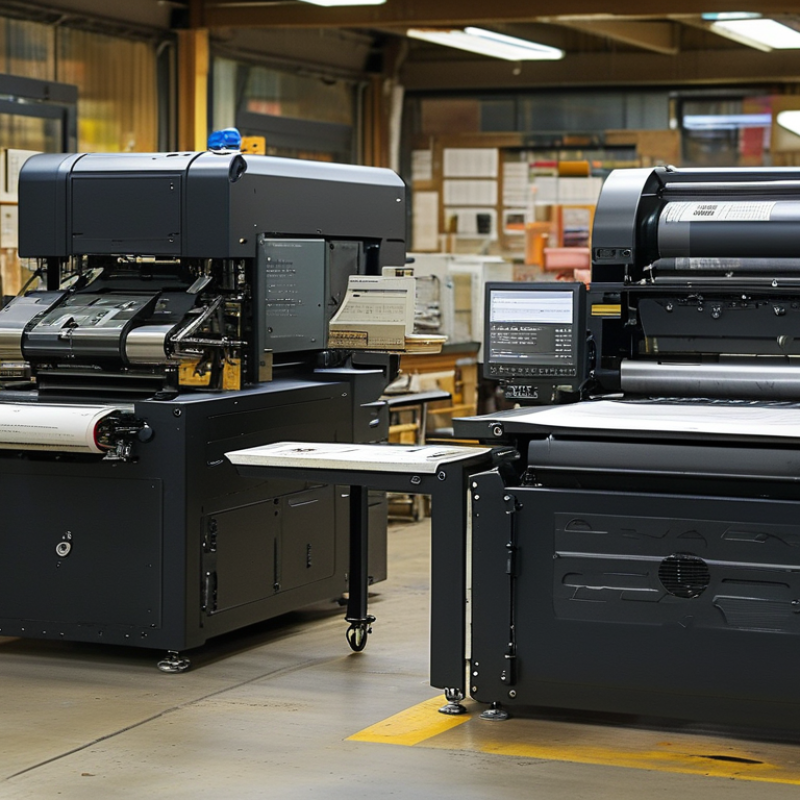
Digital label press technologies are transforming the packaging and labeling industry. These solutions offer flexibility and speed, enabling businesses to produce labels in small or large runs. Notably, many digital presses utilize inkjet or laser technology, each presenting distinct advantages and challenges.
Inkjet systems often allow for high-quality, vibrant labels with intricate designs. However, they may face issues with ink adherence and long-term durability. On the other hand, laser presses provide excellent precision and fast turnaround times. Yet, they sometimes struggle with material compatibility, limiting the substrates they can handle. Identifying the right technology depends on various factors, including application, budget, and desired output quality.
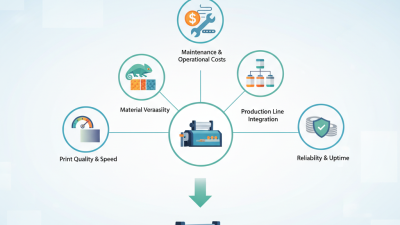
Investing in these technologies requires careful consideration. Buyers must analyze not just the initial costs, but also maintenance and operation expenses. New users often find the learning curve challenging, especially in mastering color calibration and machine settings. Awareness of these nuances is essential for maximizing the benefits of digital label presses.
Key Features to Consider in Digital Label Press Solutions
When considering digital label press solutions, several key features stand out. First, print quality is paramount. According to a recent industry report, 75% of buyers prioritize high-resolution output. Labels must be clear and vibrant to catch consumers' eyes. A press that offers high DPI (dots per inch) settings can significantly enhance label appeal.
Speed is another critical factor. Many market leaders require quick turnaround times. Data shows that 60% of successful businesses find responsiveness crucial in customer satisfaction. A press with fast printing capabilities can reduce bottlenecks in production. However, finding a balance between speed and quality can be challenging.
Additionally, flexibility in substrates is essential. Different projects demand various materials, so a versatile press can accommodate diverse label materials. This adaptability can drive efficiency but may require further training for operators. Understanding these complexities in digital label presses is vital for making informed decisions.
Top Manufacturers of Digital Label Presses in the Global Market
The digital label press market is evolving rapidly. Numerous manufacturers are stepping up to meet global demands. Industry professionals seek printers that provide high quality at competitive prices. Buyers prioritize efficiency and versatility in their printing solutions.
Several key players in this sector focus on innovation. They offer various technologies that cater to different printing needs. Some manufacturers excel in digital finishing capabilities, allowing for enhanced customization. However, challenges still exist. Many companies face difficulty in maintaining consistency. Quality control can vary across different production runs. This inconsistency is a concern for discerning buyers.
As the market expands, buyers are also focusing on sustainability. Eco-friendly printing practices are becoming essential. Manufacturers need to adapt to these trends to stay relevant. However, the integration of sustainable materials can lead to higher costs. This can pose a challenge for manufacturers aiming to remain competitive while meeting environmental standards. Therefore, continuous improvement and adaptation are crucial in this dynamic market.
Top Digital Label Press Solutions for Global Buyers
This chart showcases the market share distribution of various digital label press technologies in 2023. It highlights the growing interest in advanced solutions among global buyers.
Cost Analysis: Evaluating Digital Label Press Solutions
Evaluating digital label press solutions involves a detailed cost analysis. Buyers need to consider both initial investment and ongoing expenses. Prices can vary widely based on technology and output quality. It is essential to assess the total cost of ownership, including maintenance and operational costs.
Many solutions offer flexible pricing models. Pay-per-print options can benefit small to medium businesses. This approach minimizes upfront costs while allowing them to scale production as needed. However, hidden costs can arise. It's crucial to account for ink, media, and potential upgrades.
Moreover, evaluating the long-term benefits is vital. A lower-cost machine might not deliver the same quality as a premium option. This discrepancy may lead to increased waste and reprints. Buyers must weigh the immediate savings against possible future expenses. The decision should focus on finding a balance between affordability and quality output.
Top Digital Label Press Solutions for Global Buyers - Cost Analysis
| Press Model |
Max Print Width (mm) |
Print Speed (m/min) |
Resolution (dpi) |
Estimate Cost (USD) |
| Model A |
350 |
60 |
1200 |
150,000 |
| Model B |
420 |
75 |
1600 |
200,000 |
| Model C |
300 |
50 |
1000 |
120,000 |
| Model D |
360 |
70 |
1400 |
180,000 |
Future Trends in Digital Label Printing Technology
Digital label printing is evolving rapidly. Innovations are changing how businesses approach their labeling needs. The rise of inkjet technology offers high-quality outputs with vibrant colors. This method is gaining traction among manufacturers because it reduces waste and enhances efficiency. More companies are adopting digital solutions to stay competitive.
Sustainability is another key trend. Brands are focusing on eco-friendly materials. This shift not only meets consumer demands but also aligns with global sustainability goals. However, transitioning to sustainable options poses challenges for some. Companies must invest in new materials and processes, which can be costly.
Automation in production is also a significant trend. Technologies like AI are streamlining workflows, making operations faster. Yet, relying heavily on automation raises concerns about job security. Businesses need to balance efficiency with human expertise. While these advancements promise a bright future, companies must reflect on their impact on workforce dynamics.

 Contact immediately

 Contact Phone
 Contact Email