inquiry
Leave Your Message

10 Essential Tips for Choosing Slitting Rewinding Machines?

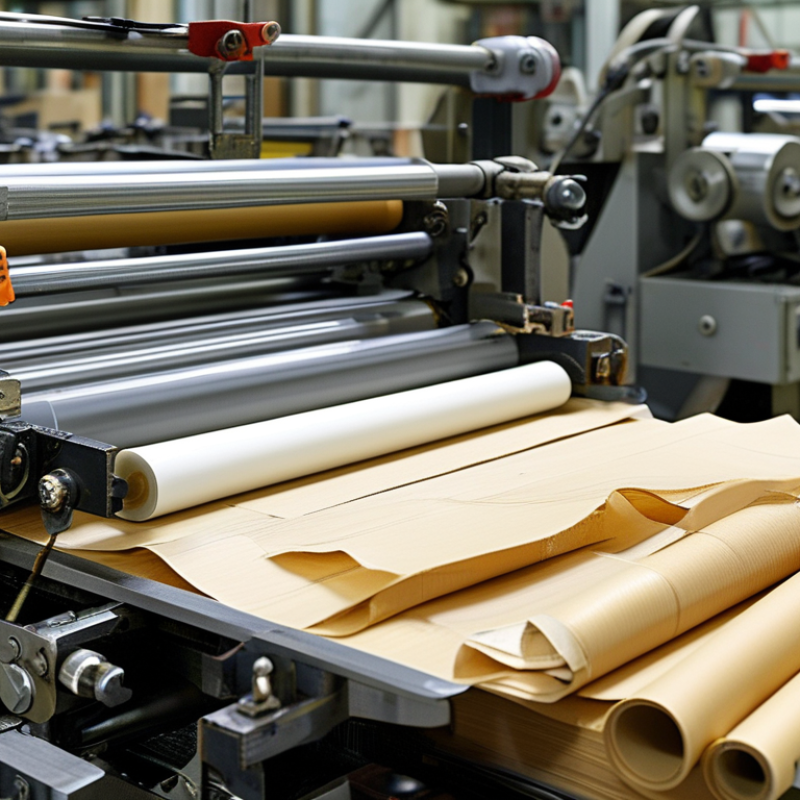
Choosing the right Slitting Rewinding Machine can significantly impact production efficiency. In today's fast-paced manufacturing environment, selecting the appropriate equipment is essential. Whether you are in packaging or converting industries, the right machine optimizes processes and ensures quality.

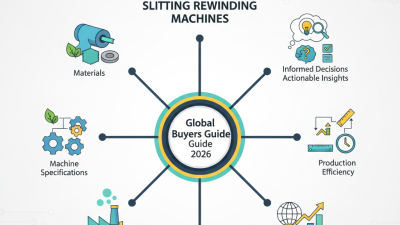
There are several factors to consider. For instance, the materials you handle will determine machine specifications. Consider the width, thickness, and type of material to achieve optimal results. Another key aspect is machine speed, which directly influences output. Evaluating the level of automation also plays a crucial role.

Additionally, assess the reliability of the manufacturer. Established brands offer better support and warranty options, enhancing long-term reliability. Keep in mind that while many machines promise high performance, not all live up to expectations. Research and reviews from industry peers can guide your decision, making your choice more informed.
10 Essential Tips for Choosing Slitting Rewinding Machines?

Understanding Slitting Rewinding Machines: A Beginner's Guide

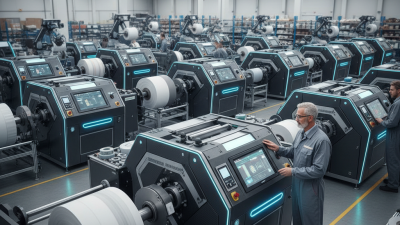
When exploring slitting rewinding machines, it’s crucial to grasp their function and features. These machines play a vital role in converting large rolls of material into smaller, more manageable sizes. Understanding their components helps in selecting the right one. Analyzing blade types, rewind tension, and material compatibility is essential. Each aspect contributes to the machine's effectiveness and efficiency.

Choosing the right machine can feel overwhelming. Many users may not consider the importance of durability and maintenance. Low-quality machines can lead to increased downtime and costs. Researching user reviews and real-world experiences provides insight into reliability. Additionally, examining the machine’s footprint in your facility can help with space management.

It’s also wise to reflect on your production needs. What volume do you expect to handle? High-speed options may seem appealing but may not be necessary for smaller operations. It's about balance. Investing in training for operators can enhance productivity. Sometimes, overlooking this step results in misused equipment and wasted materials. Ensuring thorough understanding is key to benefiting from your slitting rewinding machine.
Key Features to Look for in Slitting Rewinding Machines

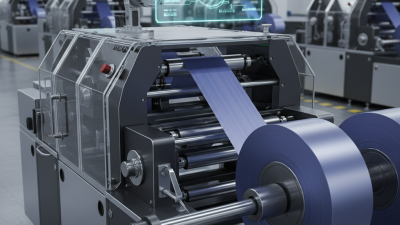
When selecting slitting rewinding machines, focus on key features that enhance performance. The cutting precision of the blade is vital. A sharp, durable blade ensures clean cuts. This affects the quality of the final product. Look for machines with adjustable speed settings. This flexibility allows operators to tailor the process to various materials.

Another important feature is the unwind and rewind tension control. Consistent tension prevents defects during the slitting process. Machines with automated tension adjustments can further enhance efficiency. It's also essential to consider the machine's compatibility with different materials. Some machines excel with specific substrates, while others may struggle. This can impact production rates and require adjustments.

Lastly, ease of maintenance is critical. Machines with user-friendly designs reduce downtime. Regular maintenance should be simple to conduct. The availability of replacement parts is another factor to reflect on. Without reliable support, even the best machines can fall short over time. Each of these features plays a crucial role in ensuring a successful slitting and rewinding operation.

Key Features of Slitting Rewinding Machines

Assessing the Material Compatibility for Slitting Rewinding Machines

When selecting slitting rewinding machines, assessing material compatibility is crucial. Different materials behave differently during the slitting process. For instance, thin films may tear easily, while thicker materials require more power for accurate slitting. Understanding the physical properties of the material ensures optimal performance.

Consider factors like thickness, tensile strength, and elongation. These characteristics influence how materials interact with blades and rollers. Machines may require adjustments based on these variables to prevent damage. Regular tests with sample materials help determine the best settings for different production runs. It's a good practice to document any inefficiencies encountered during testing.

Feedback from operators often reveals insights into material behavior. If a particular material consistently causes issues, analyzing its compatibility can prevent future problems. Building a knowledge base from these experiences is valuable. It also fosters continuous improvement in the slitting process, ultimately enhancing product quality.

Evaluating the Production Speed and Efficiency of Rewinding Machines

When evaluating the production speed and efficiency of slitting rewinding machines, understanding the specifications is crucial. These machines vary in speed, influencing the overall productivity of your operations. Higher speeds can reduce cycle times, but consider the material type. Some substrates may not handle high speeds well, leading to quality issues. It's essential to balance speed with the quality of the finished product.

Efficiency also hinges on how well the machine performs during both operation and maintenance. A machine that frequently breaks down or requires excessive adjustments can hamper production. Look for features like automatic tension control and quick setup times. These elements can make a significant difference in daily output. Additionally, examining user feedback can highlight potential inefficiencies. Sometimes, a machine may seem perfect on paper but falters in real-world applications.

Investing time to analyze your specific needs will pay off. Each operation has unique requirements, and one size does not fit all. Understand the trade-offs between speed and quality. Sometimes, too much focus on speed can lead to costly mishaps. Take these aspects into account when making choices. In the end, achieving the right balance is key to optimizing your production line.

Cost Considerations and Budgeting for Slitting Rewinding Machines

When considering slitting rewinding machines, cost plays a crucial role. A recent industry report indicates that purchasing costs can range significantly, from $15,000 to over $100,000. This variability depends on machine capabilities, including speed, precision, and automation levels. A careful analysis of your production needs is essential. Are you focused on high-volume output or specialized tasks? Each choice will impact your budget.

Maintenance is another key area affecting overall costs. Regular maintenance can add up to 10-20% of the initial purchase price annually. Neglecting maintenance not only increases long-term expenses but can also shorten the machine's lifespan. Investing in quality components may seem higher upfront but can lead to savings in the future.

Training staff is often overlooked in budgeting. Industry experts suggest accounting for training costs that can range from $1,000 to $5,000 per employee. Properly trained personnel ensure optimal machine performance. Lastly, factor in the energy efficiency of the machine. More efficient models may have a higher purchase price, yet they reduce operating costs over time. Balancing these considerations will lead to more informed financial decisions.

10 Essential Tips for Choosing Slitting Rewinding Machines

Tip Number Tip Description Cost Consideration Budget Range (USD)
1 Determine the material requirements Material thickness and type impact machine selection. $10,000 - $25,000
2 Evaluate production volume needs Higher volumes may require more robust machinery. $15,000 - $30,000
3 Consider automation options Automated systems increase efficiency but cost more. $20,000 - $50,000
4 Assess space requirements Larger machines require more space and may impact installation costs. $5,000 - $15,000
5 Review maintenance and service costs Understanding ongoing costs can affect budget planning. $2,000 - $10,000 annually
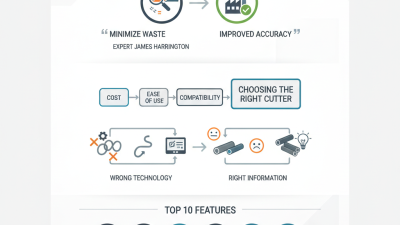
6 Select the right slitting technology Different technologies (e.g., shear vs. razor) have cost implications. $12,000 - $40,000
7 Check for energy efficiency Energy-efficient models can reduce operational costs over time. $8,000 - $20,000
8 Investigate warranty and support options Comprehensive support can save money on repairs. $1,000 - $5,000
9 Examine user reviews and case studies Real-world insights can help avoid costly mistakes. Free - $1,000 (research costs)
10 Plan for future scalability Choosing scalable machines can minimize future costs. $20,000 - $60,000