10 Essential Tips for Using an Automatic CNC Machine Effectively
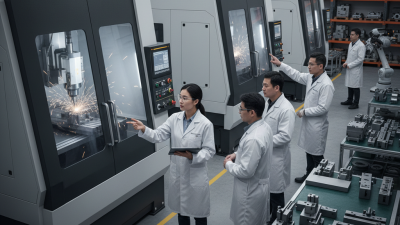
In the world of precision manufacturing, the "Automatic CNC Machine" stands out as a game-changer. Experts like Dr. Emily Harper, a leading figure in automation technology, emphasize its importance. She once stated, "Maximizing efficiency with an Automatic CNC Machine is both an art and a science." This highlights the need for thoughtful operation and strategy.
An Automatic CNC Machine not only streamlines processes but also offers unique challenges. Many users believe that simply having advanced technology is enough. However, it takes skill and knowledge to harness its true potential. From programming intricacies to tool selection, there’s much to learn and improve upon. All operators should reflect on their methods continuously.
Utilizing an Automatic CNC Machine effectively requires a blend of understanding and practice. It is critical to recognize that even experienced users can face setbacks. Regular reflection on one's techniques can lead to better results. Embracing this mindset will enhance productivity and innovation in your operations.
Understanding the Basics of CNC Machines for Effective Use
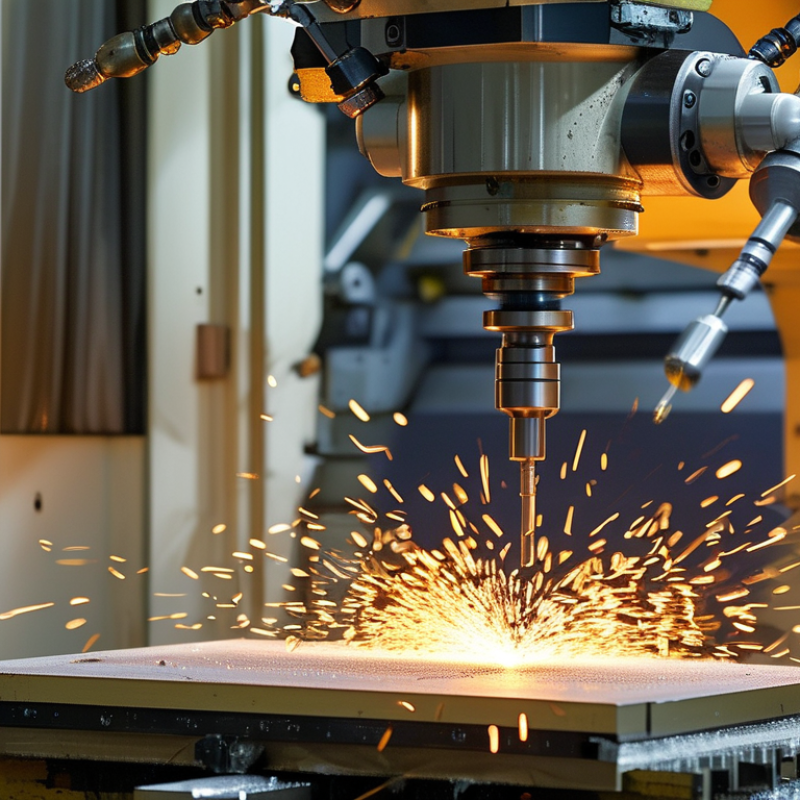
Understanding the basics of CNC machines is crucial for anyone looking to use them effectively. CNC, or Computer Numerical Control, machines automate the manufacturing process. They use pre-programmed software to dictate the movements of tools. This means precision is significantly improved compared to manual machining. However, users often underestimate the importance of mastering the software.
Before jumping into projects, take time to learn the software interface. Spend hours familiarizing yourself with the controls and functions. Mistakes can happen, such as incorrect programming, leading to wasted materials. Good documentation can prevent frustrations. Additionally, calibrate your machine regularly. If your machine isn't properly calibrated, every cut can be off.
Also, be aware of the specific capabilities of your CNC machine. Not all machines are the same. Some have limitations that can affect the scope of your projects. Keeping an eye on these factors can enhance your results. Embrace learning from mishaps. Analyze what went wrong and adjust your approach. This reflective practice will lead to better outcomes over time.
Setting Up Your CNC Machine: A Step-by-Step Guide
Setting up a CNC machine requires careful planning and attention to detail. Start by selecting a stable and level workspace. This ensures the machine operates smoothly. Check all connections before powering on the unit. It's essential to install the software correctly to avoid issues later.
Adjusting the machine settings is crucial for optimal performance. Use a reliable measuring tool to calibrate the axes accurately. Consider the type of material you'll work with; different materials may require different settings. For example, softer materials may need higher speeds, while harder materials benefit from slower operations.
Be mindful of maintenance routines. Regular inspections can prevent unexpected breakdowns. Keep the workspace clean and organized. This promotes efficiency and safety. Setting up your CNC machine is not just about installation; it's about creating a conducive environment for productivity. Mistakes can happen, but they provide valuable learning experiences too.
Essential Maintenance Practices for Optimal CNC Performance
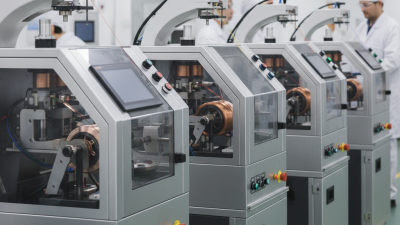
Maintaining an automatic CNC machine is crucial for ensuring optimal performance. Regular upkeep reduces downtime and enhances precision. Reports indicate that machines with routine maintenance can improve productivity by 20% and extend the lifespan by up to 30%. One essential practice is checking and replacing worn parts. Keeping an eye on components like spindle bearings and drive belts prevents larger issues.
Additionally, ensure proper lubrication. Insufficient lubrication leads to friction and might cause excessive wear. Use the recommended lubricants specific to your machine. Regularly scheduled cleaning also plays a key role. Dust accumulation can interfere with the machine’s mechanics, affecting its overall function.
Tip: Create a maintenance schedule. Incorporating reminders helps prevent overlooked tasks. Another helpful approach is to document any repairs or replacements. This record provides insights into recurring issues, helping identify patterns in machine performance. Consistent data analysis can guide more effective strategies to mitigate future problems.
Programming Tips to Enhance CNC Efficiency and Precision
Programming an automatic CNC machine effectively can dramatically enhance its efficiency and precision. One key tip is to use clear, well-organized code. Simple structures reduce the risk of errors, allowing smoother operations. Break complex tasks into smaller, manageable sections for clarity. This helps in debugging and adjustments.
Don't overlook the importance of tool selection. Using the right tools can significantly impact your output quality. Ensure the chosen tools are compatible with your material and desired finish. Regularly check tools for wear and tear; even small defects can lead to inaccuracies. Programming should also consider optimal feed rates to match the material properties. A slower feed rate often yields more precision, but it can extend production time.
Iterate and refine your programs frequently. Testing small sections before scaling up can reveal hidden issues. Often, adjustments become apparent only after running the CNC. Be open to revising your approach. Establish a feedback loop where operators share insights to discover best practices. This fosters continuous improvement and adaptability in your processes.
Safety Protocols to Follow While Operating CNC Machines
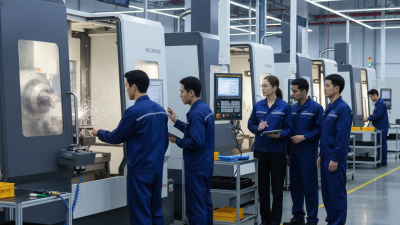
Operating an automatic CNC machine safely is paramount in any manufacturing environment. According to the National Institute for Occupational Safety and Health (NIOSH), machinery-related incidents account for 18% of workplace injuries. This emphasizes the need for strict adherence to safety protocols. Always wear appropriate personal protective equipment (PPE) such as safety glasses, gloves, and steel-toed boots. These protective measures can significantly reduce the risk of injury.
Before starting the CNC machine, conduct a thorough inspection. Check for loose components or signs of wear. Ensure the emergency stop button works effectively. A study published in the Journal of Manufacturing Science and Engineering revealed that conducting daily checks could decrease operational accidents by up to 30%. In case of a malfunction, promptly halt operations and report the issue. Furthermore, understanding the machine's software and controls is critical. Training programs must include comprehensive safety drills. Many facilities overlook refresher courses after initial training, which can lead to complacency.
Be aware of the surrounding area while operating the machine. Clear any clutter and ensure emergency exits are accessible. A safe workspace can prevent distractions that may lead to accidents. Despite these protocols, human error can still occur. Continuous training and a culture of safety can further mitigate these risks. Engaging employees in safety discussions fosters responsibility and awareness. Ultimately, a vigilant approach towards safety protocols can save lives and enhance productivity in CNC machining operations.
10 Essential Tips for Using an Automatic CNC Machine Effectively
This chart illustrates the importance of following safety protocols while operating CNC machines. Each tip is rated on a scale of 1 to 10 based on its effectiveness in ensuring safe and efficient machine operation.

 Contact immediately

 Contact Phone
 Contact Email