What is a Roll Printing Machine and How Does It Work?
The Roll Printing Machine stands at the forefront of modern printing technology. It plays a crucial role in various industries, including textiles and packaging. According to a 2022 industry report by Smith & Partners, the demand for innovative roll printing solutions has surged by 15% annually. This growth indicates the machine’s importance in delivering high-quality prints efficiently.
Industry expert Dr. Emily Carter emphasizes, “Roll Printing Machines enhance productivity while maintaining exceptional print quality.” These machines operate by feeding flexible rolls of material through a series of rollers, applying ink or coatings with precision. The process is both fast and resource-efficient, making it a preferred choice for manufacturers around the globe.
However, despite its advancements, challenges persist. Many manufacturers struggle with maintenance issues, which can lead to production delays. Additionally, integrating new technologies can be complex and costly. The need for skilled operators to handle sophisticated machinery remains paramount. These factors highlight an ongoing need for improvement in the Roll Printing Machine field, pushing experts to innovate continuously.
What is a Roll Printing Machine?
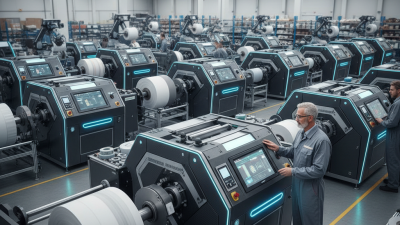
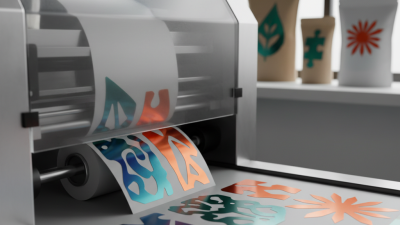
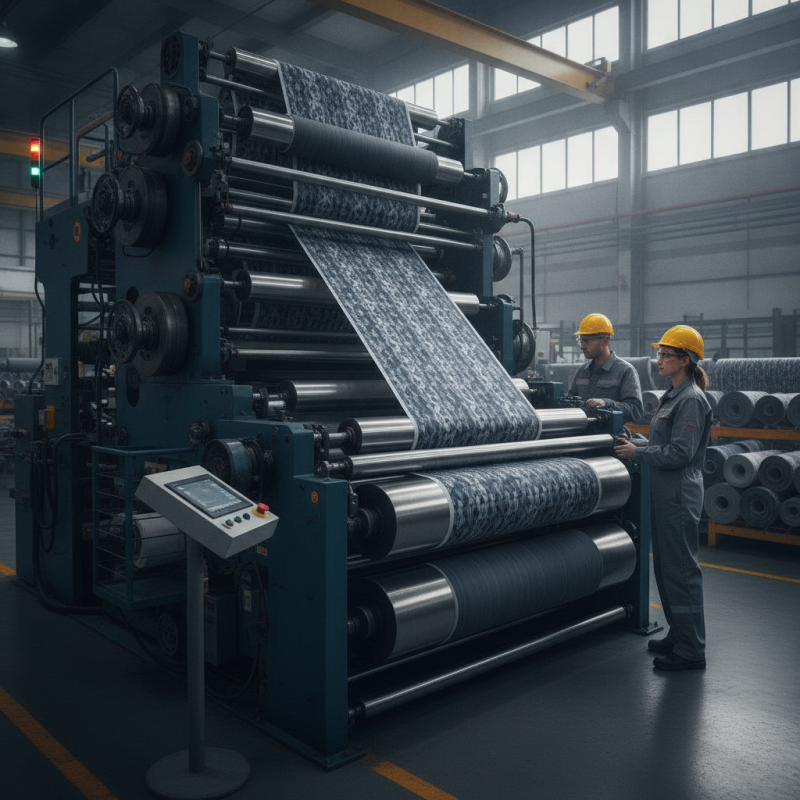
A roll printing machine is a fascinating tool used in various industries. It primarily prints on a continuous roll of material, making it efficient for large-scale production. These machines are particularly useful in textile and packaging sectors. They allow for vibrant colors and intricate designs to be printed quickly.
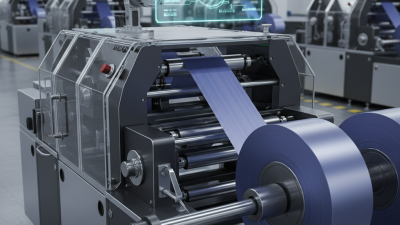
The process involves feeding the material onto rollers. As the roll moves forward, a series of print plates apply ink onto the surface. The precision of this machinery ensures that designs are replicated accurately. However, achieving perfect registration can be challenging. Any slight misalignment can result in blurred images. Operators must pay close attention to the setup and calibration.
One notable aspect is the variety of inks used, which impacts the final output. Water-based inks are often softer and environmentally friendly. However, they can be less vibrant than solvent-based inks. Each has its pros and cons, and choosing the right one can influence the product's quality. Balancing efficiency and quality is an ongoing challenge for manufacturers.
The History and Development of Roll Printing Technology
Roll printing technology has a rich history, evolving over centuries. The earliest forms relied on hand-operated techniques. These techniques were labor-intensive. With the Industrial Revolution, innovations emerged. Machines like the cylinder press allowed for faster production, marking a significant shift.
In the 20th century, advancements continued. Modern roll printing machines now utilize electronic controls for precision. They can produce high-quality designs on various materials. Such capabilities have revolutionized textile and packaging industries.
Tips: When exploring roll printing, consider the material's characteristics. Not all fabrics or surfaces react the same way. Experimenting with settings often leads to unexpected yet captivating results. Always monitor the production closely. Adjustments may be necessary to maintain quality. This technology continues evolving, and staying informed will help you make the best choices.
What is a Roll Printing Machine and How Does It Work?
| Dimension |
Description |
| Process Type |
Continuous Roll Printing |
| Applications |
Textiles, Wallpaper, Packaging |
| Common Materials |
Fabric, Paper, Plastic |
| Printing Technique |
Flexography, Gravure |
| Historical Development |
Evolved from traditional printing methods in the 19th century |
| Key Innovations |
Advancements in ink technology and automated systems |
How Roll Printing Machines Operate: A Step-by-Step Process
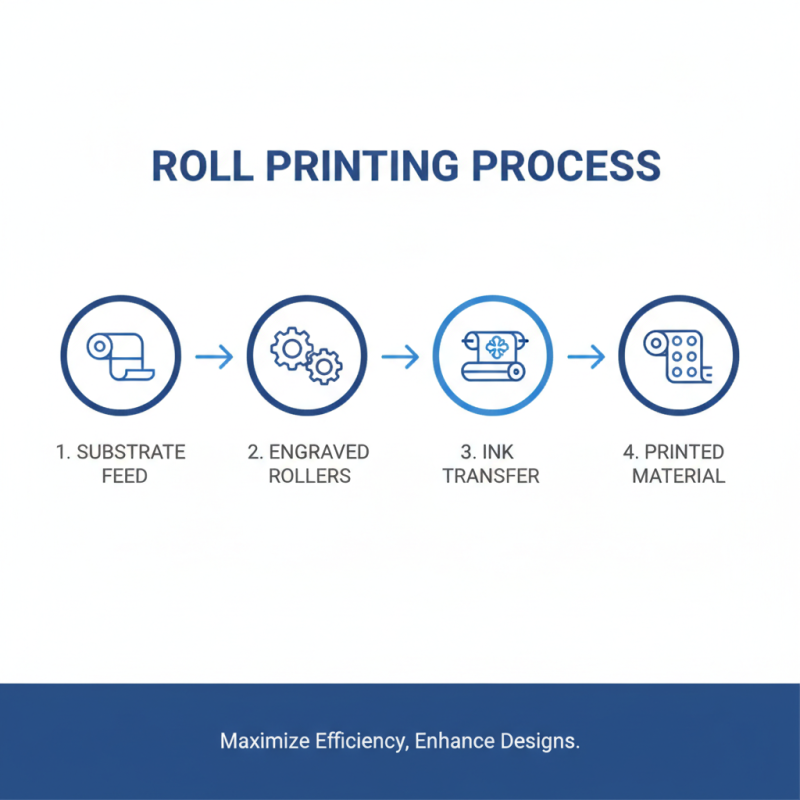
Roll printing machines are specialized equipment used to apply designs and patterns on various materials. Understanding how these machines operate can help in maximizing their efficiency. Roll printing typically involves a series of steps. First, the substrate, whether fabric or paper, is fed into the machine. Next, engraved rollers transfer ink onto the substrate through a precise process, allowing for vibrant prints.
During operation, maintaining the right tension is crucial. Industry reports indicate that improper tension can lead to misalignment and defects. Routine checks on roller pressure and speed can prevent many common issues. It’s essential to ensure the ink viscosity is just right to avoid smudging. A study by the Printing Industries of America highlights that controlled ink flow can improve print quality by up to 30%.
Another important aspect is regular maintenance of the rollers. Accumulation of ink residues can lead to inconsistent prints. Clean rollers ensure consistent pressure and even ink distribution. As with any machinery, operators should be prepared for occasional challenges. Testing different substrates can also yield varying results, prompting operators to adjust their processes as needed. By addressing these nuances, the roll printing process can refine over time.
Key Components of a Roll Printing Machine
Roll printing machines are essential in many industries, including textiles and packaging. Their key components enable efficient and high-quality printing. A typical roll printing machine consists of specific parts that each serve a critical function.
The printing head is vital. It transfers ink onto the substrate. Many machines use a flexographic printing head for this function. Flexography gives vibrant colors and sharp images. Data shows that flexographic prints can achieve a resolution of 300 to 500 dpi. The ink supply system is another pivotal component. It must maintain consistent ink flow to avoid color inconsistencies. Today’s advanced systems often include automated controls.
Another crucial part is the drying system. This system ensures quick drying of the printed material. Efficient drying minimizes smudging and improves productivity. However, achieving optimal drying can be challenging. Improper settings can lead to issues like uneven drying or delayed production times. Different materials may require adjustable drying temperatures. Understanding these adjustments is vital for operators. Each component plays a role in achieving the desired output quality.
Roll Printing Machine Usage Statistics
Applications and Benefits of Roll Printing in Various Industries
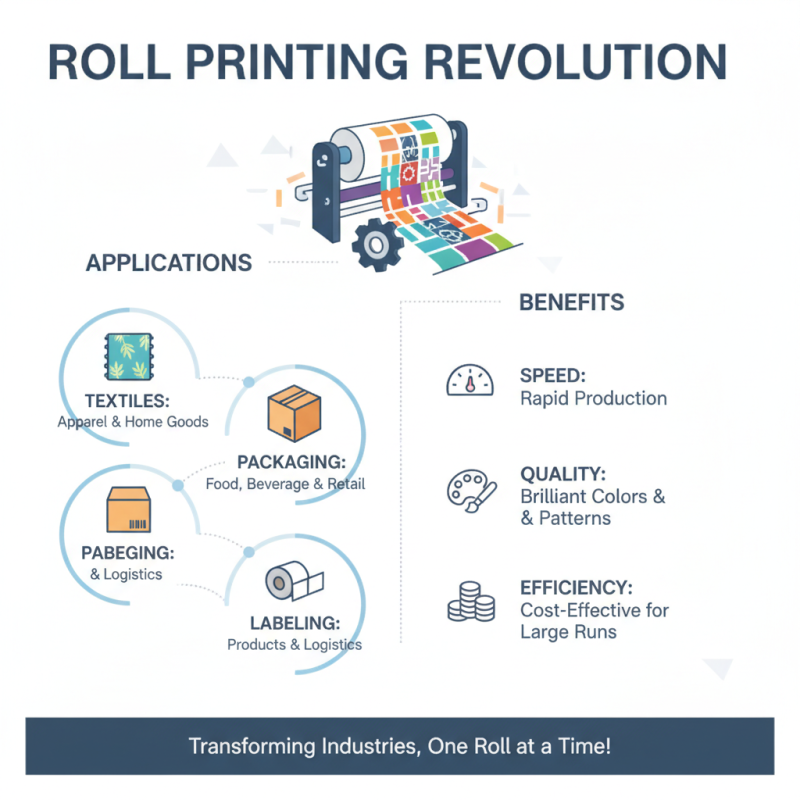
Roll printing technology is revolutionizing various industries by offering efficient and high-quality printing solutions. This method is widely used in textiles, packaging, and labeling. Its ability to produce vibrant patterns on large rolls of material makes it ideal for fabric production. Many manufacturers appreciate the speed of roll printing. It can quickly print extensive designs that meet market demands.
In packaging, roll printing is essential for creating eye-catching labels. Companies can print directly onto flexible materials for bags and boxes. This technique ensures that branding stands out. The flexibility of roll printing allows for customization, catering to specific client needs. However, maintaining consistency across large print runs can be a challenge, as minor adjustments can lead to noticeable differences.
Another key benefit is sustainability. Roll printing often results in less waste compared to traditional methods. However, some companies may struggle to adopt this technology fully due to high initial costs. Despite these barriers, the long-term benefits can outweigh the upfront investments. Reliability in printing quality becomes crucial as businesses seek to improve efficiency while minimizing their environmental impact.

 Contact immediately

 Contact Phone
 Contact Email