Top 10 Die Cutting Techniques for Global Buyers to Explore?
The world of Die Cutting is both innovative and competitive. Experts emphasize the importance of mastering various techniques. Brian Smith, a leading figure in the Die Cutting industry, once stated, “Understanding the nuances of each technique can elevate your projects significantly.” This statement underscores the value of exploring different methods.
Die Cutting has evolved significantly over recent years. Global buyers are now faced with a plethora of options. From traditional methods to modern digital processes, the landscape is rich with possibilities. Many businesses find themselves overwhelmed by the choices. Yet, the right technique can greatly enhance the quality of products and reduce production costs.
In this vast field, it's crucial to recognize the strengths and limitations of each method. While some techniques may offer precision, others might provide speed. As you delve into the top ten Die Cutting techniques, keep in mind that experimentation and adaptation lead to improvement. Achieving excellence in Die Cutting is a journey, filled with learning experiences and occasional missteps.
Top Die Cutting Techniques for Enhanced Production Efficiency
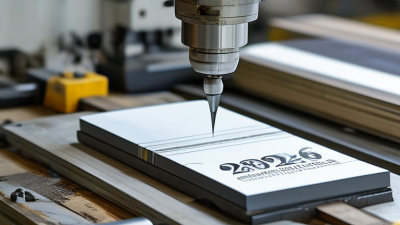
Die cutting is a versatile method for enhancing production efficiency across various industries. Understanding the key techniques can significantly improve output quality. Precision die cutting ensures accuracy. Properly calibrated machines can reduce waste and improve cutting speed. Operators must be well-trained to handle machines for optimal performance.
Another technique is rotary die cutting. It is ideal for high-volume runs. This method allows for continuous rolls, making it faster than traditional flatbed cutting. However, it requires careful setup and maintenance. A small error can lead to substantial material loss, highlighting the importance of precision and planning.
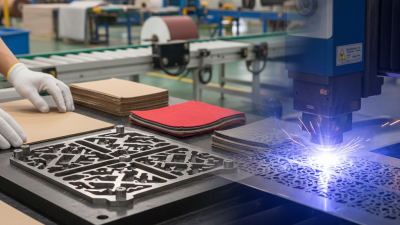
Laser die cutting has gained popularity recently. It offers flexibility for intricate designs without the need for steel dies. However, the initial costs can be high. Users must weigh the benefits against the expenses. Exploring these techniques can lead to more efficient processes and innovative products. The choice of a method should align with production goals and product requirements. If efficiency is not prioritized, it may result in missed opportunities.
Analyzing the Benefits of Rotary Die Cutting for Mass Production
Rotary die cutting is a proficient method for mass production. This technique employs a rotating drum filled with sharp dies. They cut materials into specific shapes as the drum turns. This process is efficient and enhances productivity, making it ideal for large-scale operations.
One notable advantage of rotary die cutting is speed. The continuous nature of the drum allows for rapid production runs. However, the initial setup can be time-consuming and costly. Buyers should consider the trade-off between upfront investment and long-term savings. Precision is another strength of this technique. It produces consistent shapes, which is crucial in industries like packaging and textiles.
Despite its benefits, rotary die cutting has limitations. Complex designs may not translate well. Some intricate patterns might require additional steps. This can lead to increased production time. Buyers must weigh the benefits against potential challenges. Understanding these nuances is essential to making informed decisions.
Exploring the Versatility of Laser Die Cutting in Custom Applications
Laser die cutting stands out as a game-changer in custom applications across various industries. This method utilizes high-powered lasers to cut materials with precision, enabling intricate designs and reducing waste. According to a recent industry report by Smithers Pira, the global die cutting market is projected to reach $12 billion by 2026, driven significantly by advancements in laser technology. Unlike traditional methods, laser die cutting offers flexibility, making it ideal for prototypes and small batch productions. It minimizes the need for physical dies, which can be both costly and time-consuming to produce.
Working with laser die cutting isn't without its challenges. Material selection is vital, as not all substances respond well to laser cutting. Different materials, such as plastics and metals, may require specific settings for optimal results. It’s essential to invest time in understanding each material's properties. Additionally, the initial setup can be complex and may demand skilled operators for achieving desired results.
Setting clear specifications can significantly enhance outcomes. Collaborate closely with your manufacturer to ensure all project requirements are communicated. Regular machine maintenance is crucial too. Keeping equipment in top shape prevents unexpected failures, ensuring operational efficiency. Remember to test your designs before full production runs, as softer materials may burn or warp under the laser.
Understanding the Cost-Effectiveness of Steel Rule Dies in Packaging
The cost-effectiveness of steel rule dies in packaging is a critical consideration for global buyers. Steel rule dies are well-regarded for their precision and durability. According to industry reports, these dies can last up to 50% longer than conventional dies, which translates to lower replacement costs. This longevity is pivotal, especially for businesses requiring high-volume production.
Using steel rule dies can significantly reduce material waste, which is crucial in today's eco-conscious market. A study indicated that companies using precision cutting tools could see a 20% reduction in waste material. This not only cuts costs but also enhances sustainability efforts. Adopting these dies can align operational efficiency with environmental goals, making it a rational investment.
Consider that the initial cost of steel rule dies may be higher. However, it is essential to evaluate lifecycle costs. As production continues, the savings from reduced waste and longer-lasting tools often outweigh the initial expense. Evaluate your specific needs and production volume. Experimenting with smaller runs can help gauge performance. Always assess your supplier's expertise and reliability, as these factors significantly influence overall quality and service.
Evaluating the Impact of Digital Die Cutting on Small Businesses
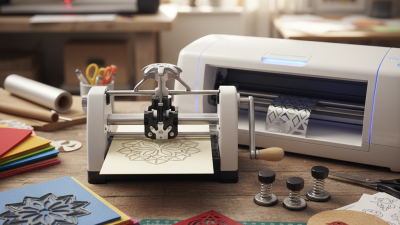
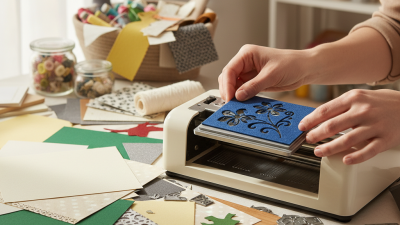
Digital die cutting is transforming small businesses. It offers precision and speed, enabling entrepreneurs to create intricate designs with ease. According to a report by Market Research Future, the global digital die-cutting market is expected to grow at a CAGR of 4.5% between 2021 and 2026. This growth indicates strong demand for digital solutions in various industries.
Small businesses can benefit significantly from this technology. It reduces material waste and minimizes production costs. Yet, digital die cutting isn't without challenges. Not all small businesses have the resources to invest in advanced machinery. Training staff on new technologies can be time-consuming. A study from the Small Business Administration highlights that 30% of new technologies fail due to a lack of proper implementation.
Moreover, digital die cutting provides flexibility. Companies can quickly pivot to new designs based on market trends. Customization can enhance customer satisfaction. Still, it's vital for businesses to remain adaptable and continuously evaluate their strategies. Staying informed about industry advancements will help small businesses maintain their competitive edge. Digital die cutting, while beneficial, requires thoughtful integration into existing processes.

 Contact immediately

 Contact Phone
 Contact Email