Top 10 Rewinding Machines for Global Buyers in 2026?
In the fast-evolving world of manufacturing, the significance of a reliable Rewinding Machine cannot be overstated. As global demand for precision and efficiency increases, buyers seek the best options available in 2026. This overview highlights top-performing rewinding machines tailored for diverse applications. Each machine brings unique strengths to the table, yet choosing the right one may prove challenging.
Understanding the technical capabilities of these machines is essential. Some excel in speed, while others prioritize material compatibility. Investigating the specifications can lead to better purchasing decisions. However, not every machine fits every production line perfectly. Buyers often encounter mismatches between expectations and performance, leading to frustration.
As new technologies emerge, staying informed about the latest trends becomes crucial. A reliable rewinding machine should enhance operational efficiency and reduce waste. However, assessing long-term maintenance and support is often overlooked. This process requires careful research and a clear understanding of specific industry needs. In this landscape, flexibility and adaptability are key traits for any successful rewinding machine.
Overview of Rewinding Machines: Definition and Functionality
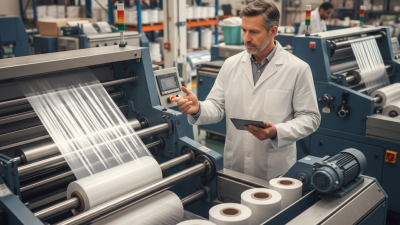
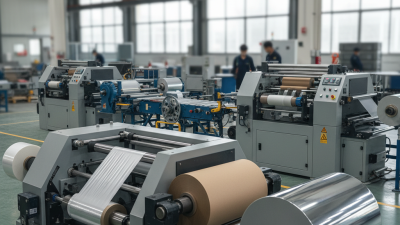
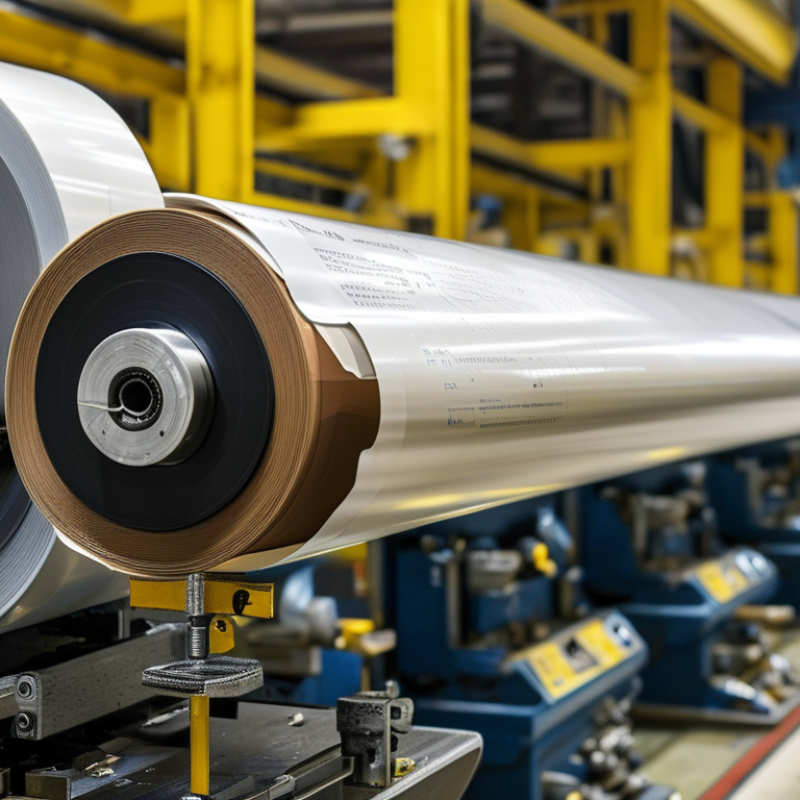
Rewinding machines play a crucial role in various industries. They efficiently handle the process of rewinding materials like films, paper, or textiles. These machines reduce waste and ensure better quality control. Their functionality involves guiding rolled materials onto new cores while maintaining tension and alignment. Understanding how they function helps in choosing the right one for your needs.
When selecting a rewinding machine, consider its capacity and speed. Different materials may require different specifications. Pay attention to the ease of operation too. Complex machines may increase downtime during learning periods. It's crucial to assess the training needs of your team.
To enhance efficiency, regularly maintain your machines. Neglecting maintenance can lead to performance issues. Keep an eye on wear and tear. Also, ensure you have the right spare parts available. This can save you from unexpected halts. Always document any issues that arise. Learning from past experiences helps improve future operations.
Top 10 Rewinding Machines for Global Buyers in 2026
Key Features to Consider When Selecting Rewinding Machines
When selecting rewinding machines for your operations, certain key features play a crucial role. Speed is one of the most significant factors. Machines that operate at higher speeds can improve efficiency. A recent industry report indicates that rewinding machines with speeds exceeding 300 meters per minute increase productivity by approximately 25%. However, it's essential to balance speed with precision to prevent material waste.
Another vital feature is the machine's ability to handle various materials. Modern rewinding machines should be adaptable, catering to different substrates. Reports show that manufacturers who use versatile machines save on investment costs by eliminating the need for multiple units. Additionally, consider the machine’s ease of setup and maintenance. Machines that require less downtime can enhance operational continuity.
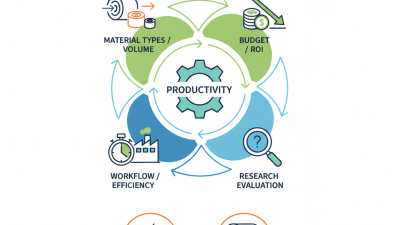
Tips: Always assess your workflow needs before making a purchase. Evaluate the total cost of ownership, including maintenance. Be mindful that ongoing operational costs can accumulate significantly over time. Don't overlook staff training. Properly trained operators can significantly reduce errors and improve production quality.
Top 10 Rewinding Machines for Global Buyers in 2026
| Model |
Speed (m/min) |
Max Roll Diameter (cm) |
Precision (%) |
Power Consumption (kW) |
Key Features |
| Model A |
200 |
150 |
99.5 |
1.5 |
Automatic tension control, user-friendly interface |
| Model B |
150 |
120 |
99.0 |
2.0 |
Compact design, multi-layer winding |
| Model C |
180 |
130 |
98.5 |
1.8 |
High speed, advanced safety features |
| Model D |
220 |
160 |
100.0 |
1.2 |
Touch screen control, wireless connectivity |
| Model E |
160 |
110 |
99.7 |
1.6 |
Energy efficient, low noise |
| Model F |
190 |
140 |
98.8 |
1.4 |
Customizable settings, fast changeover |
| Model G |
210 |
155 |
99.2 |
1.3 |
Intelligent operation, real-time monitoring |
| Model H |
175 |
125 |
99.4 |
1.7 |
Smart sensors, durable construction |
| Model I |
200 |
135 |
99.6 |
1.5 |
Automatic calibration, high reliability |
| Model J |
240 |
140 |
100.0 |
1.1 |
High-performance materials, global compliance |
Top Brands and Manufacturers of Rewinding Machines Worldwide
When considering rewinding machines, it's essential to identify top brands worldwide. Numerous manufacturers create reliable machines for various industries, ensuring quality and efficiency. Many companies focus on the production of various winding materials. This specialization shapes their approach to design and performance.
Tips: Research each manufacturer’s specifications. Pay attention to customer reviews and user experiences. These insights can guide your purchasing decisions effectively.
Durability and performance are crucial elements in choosing a rewinding machine. Look for features that enhance operational efficiency and reduce downtime. Some machines prioritize user-friendliness; others might excel in speed. Understanding how these factors align with your needs can lead to better outcomes.
Tips: Visit trade shows or industry expos. Engaging with experts will deepen your understanding of machine capabilities. Don’t rush the decision-making process; it's critical to weigh your options carefully.
Market Trends and Innovations in Rewinding Machine Technology
The rewinding machine market is evolving rapidly. Innovations are emerging to meet the needs of diverse industries. The market research report by XYZ Analytics indicates that the global rewinding machine industry is expected to grow at a compound annual growth rate of 7% from 2023 to 2028. This growth is driven by advances in automation and efficiency.
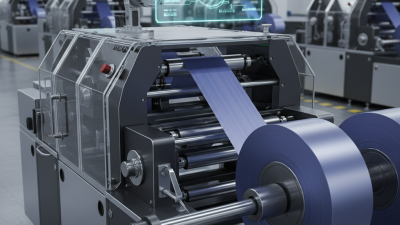
One notable trend is the integration of smart technologies. Many machines now feature IoT capabilities. These allow real-time monitoring and data analytics. This enhances operational efficiency and reduces downtime. Reports show that companies that adopted smart rewinding solutions have seen productivity increases of up to 25%. However, the initial investment in these technologies can be a barrier for smaller operations.
Sustainability is another focal point. Manufacturers are prioritizing eco-friendly materials. They aim to reduce energy consumption during production. However, there is still much work needed in this area. Many machines still rely on traditional power sources. Experts highlight that balancing innovation with sustainability remains a major challenge. The competition in the market drives both innovation and complexity.
Future Prospects: The Evolution of Rewinding Machines by 2026
The landscape of rewinding machines is set to evolve dramatically by 2026. Innovations are shaping how these machines are designed and function. Future prospects indicate a shift towards higher efficiency and user-friendly interfaces. This trend will prioritize automation, enabling faster production rates. Yet, there are challenges in achieving seamless integration of new technologies.
Economies of scale will play a significant role. Larger manufacturers may dominate the market, but small-to-medium enterprises are seeking cost-effective solutions. The inevitable fluctuation in raw material costs presents a hurdle for many. Adaptability will be crucial for companies to remain relevant. Data-driven approaches will help in understanding market demands better. Newer materials may also enhance durability and performance but require constant research.
Sustainability remains a vital topic. Consumers and manufacturers alike are more conscious of environmental impact. Developing eco-friendly machines will be necessary for compliance and market acceptance. However, achieving this balance is not straightforward. Organizations must continuously revisit their strategies. The road to 2026 will demand innovation, reflection, and resilience.

 Contact immediately

 Contact Phone
 Contact Email