inquiry
Leave Your Message

Top 10 Slitting Unit Manufacturers for Global Buyers

Global converting is becoming faster, wider, and less forgiving. Smithers’ report, The Future of Global Flexible Packaging to 2028, identifies continued growth in flexible packaging, driven by food, healthcare, and e-commerce applications. These markets demand cleaner edges, tighter tolerances, and fewer production interruptions. A modern Slitting Unit must therefore do more than divide a master roll. It must control web tension, knife positioning, dust, winding hardness, and changeover time.

The Flexible Packaging Association also reports strong demand for flexible formats in North America, while European converter data highlights pressure to reduce material waste and improve recycling performance. Those pressures directly affect slitting decisions. A machine that leaves telescoped rolls can damage an entire shipment. A minor blade-setting error may create metres of unusable film. Small details matter.

As converting specialist Dr. Martin Dreher has observed, “Slitting quality begins with process stability, not with the knife alone.” That principle is useful, although it is not the whole story. Operator experience, substrate behavior, automation, and maintenance discipline can change results dramatically. Buyers should compare measurable evidence, including acceptable slit width, maximum web speed, tension range, reel diameter, safety certification, service response, and verified customer references.

The manufacturers selected in this guide represent different strengths, from precision film processing to heavy-duty paper and foil applications. No supplier is perfect. Some publish impressive speed figures but provide limited information about real production conditions. Global buyers should read beyond brochures, request sample trials, and examine performance on their actual materials. Reliable equipment is not always the most expensive option. It is the option that remains predictable after months of demanding production.
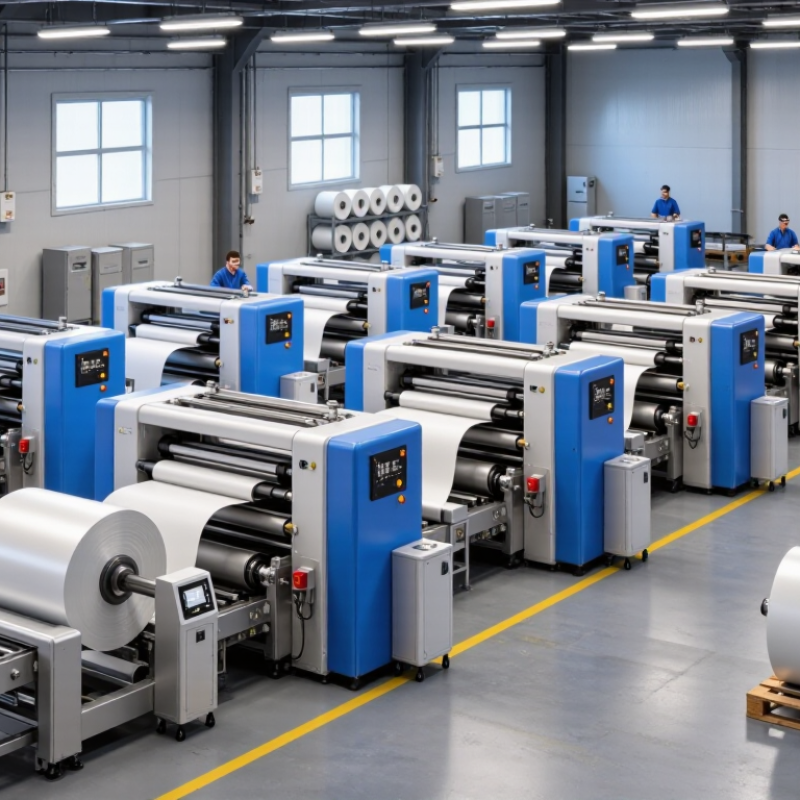
Top 10 Slitting Unit Manufacturers for Global Buyers

Slitting Unit Fundamentals: Web Width, Speed, Tension, and Cut Accuracy

Slitting Unit Fundamentals: Web Width, Speed, Tension, and Cut Accuracy

A slitting unit converts wide rolls into narrower webs for bags, labels, films, and laminates. Web width sets the boundary. A 1,600 mm machine cannot efficiently process every 2,000 mm parent roll. Buyers should compare usable width, not only the headline specification. Smithers’ 2024 flexible packaging report projects steady annual growth through 2028, increasing pressure on converters to reduce trim waste and changeover time.

Speed attracts attention, but stable running matters more. A machine rated at 600 m/min may perform below that figure with thin film, adhesive laminate, or uneven reels. Tension control keeps the web flat as diameter changes. Excessive tension can stretch film and distort registration. Low tension can create wrinkles, telescoping, or loose edges. Short trials with the actual substrate reveal more than a brochure.

Cut accuracy depends on knives, shafts, sensors, and operator setup. A practical target may be ±0.5 mm, but the correct tolerance depends on the final product. Grand View Research valued the global flexible packaging market at over USD 270 billion in 2023, showing why small width errors can create expensive losses at scale. I have seen teams focus on maximum speed while ignoring roll hardness. That assumption deserves challenge. A slower, repeatable cut often delivers better yield, cleaner edges, and fewer rejected rolls. Inspect the first and last meters. Small errors multiply.
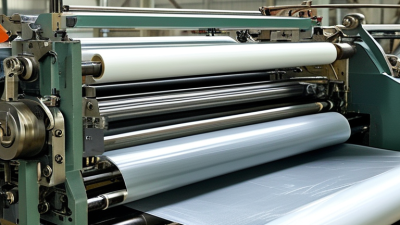
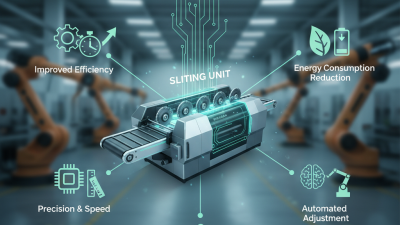
Top 10 Slitting Unit Manufacturers for Global Buyers - Slitting Unit Fundamentals: Web Width, Speed, Tension, and Cut Accuracy

This chart compares representative operating profiles commonly used in industrial slitting units for different web materials. Web width and line speed are shown directly, while typical tension and cut-accuracy ranges are available in the chart tooltips.

Typical industrial ranges vary by substrate, roll diameter, knife configuration, winding method, and automation level. Wider webs and higher speeds generally require more precise tension control and better-guided cutting systems.

How the Top 10 Compare: 300–2,000 mm Widths and 100–1,000 m/min Speeds

Comparing the top ten slitting unit manufacturers requires more than checking brochure claims. Their platforms typically cover 300–2,000 mm web widths and 100–1,000 m/min operating speeds. However, maximum speed is not equal to stable production. Real output depends on substrate, roll diameter, tension control, knife accuracy, and changeover time. A 2024 Smithers flexible-packaging outlook valued the global market at more than US$250 billion, increasing pressure for faster, cleaner converting lines. These figures explain why buyers increasingly compare usable speed, not headline speed.

In practical trials, narrow 300–800 mm webs often expose tracking errors quickly. Wider 1,200–2,000 mm lines demand stronger frame stiffness and precise edge alignment. At 1,000 m/min, even a small tension fluctuation can create telescoping rolls or uneven edges. The same machine may perform differently with film, paper, and laminated structures. My view is slightly cautious: supplier rankings can simplify purchasing, but they may hide differences in service response and operator training. PMMI’s 2024 packaging research also highlights labor efficiency and automation as major investment concerns.

Tips: Request a witnessed trial using your actual material. Record speed, waste, setup minutes, roll hardness, and finished-width tolerance. Do not accept “up to” figures without a production sample. A slower line with 1% waste may outperform a faster line with 4% waste. That comparison is often overlooked.

Manufacturer Profiles: Materials, Knife Systems, and Automation Levels

Choosing among the top 10 slitting unit manufacturers requires more than comparing catalog photographs. Buyer teams should examine how each manufacturer handles film, foil, paper, laminates, and other roll materials. Material behavior changes everything. Stretchy film may need controlled tension, while brittle foil demands careful web guiding and clean edge treatment. During factory evaluations, ask for sample trials using your actual roll width, thickness, and winding requirements.

Knife systems reveal practical engineering quality. Razor knives can suit thin films and fast changeovers. Shear knives often provide cleaner cuts for thicker or tougher substrates. Crush-cut systems may reduce setup complexity, but edge quality can vary. The best profiles explain knife diameter, adjustment accuracy, dust control, and replacement time. Small details matter. Operators notice them quickly.

Automation levels should match production reality, not marketing language. Entry-level units may rely on manual shaft loading, tension settings, and roll positioning. Mid-range equipment can add recipe storage, automatic knife positioning, and diameter monitoring. Advanced systems may include closed-loop tension control, robotic unloading, and production data tracking. However, more automation also means more sensors and service requirements. I would challenge any profile that lists features without showing uptime records, training support, or response times. One overlooked weakness is difficult software navigation. A fast machine is less useful when operators hesitate during a changeover.

Top 10 Slitting Unit Manufacturers for Global Buyers - Manufacturer Profiles: Materials, Knife Systems, and Automation Levels
No. Manufacturer Profile Typical Materials Knife System Automation Level Typical Working Range Typical Configuration and Applications
1 Profile 01
High-Performance Film Specialist
CPP, BOPP, PET, PE, PVC and laminated flexible packaging films Razor-in-air and shear-knife combination; automatic knife positioning; differential winding shafts High Web width up to 8,000 mm; finished slit width from approximately 20 mm; line speed up to 1,000 m/min Designed for high-speed packaging-film production, low-tension winding, edge-trim extraction and automatic roll change.
2 Profile 02
Paper and Board Specialist
Coated paper, kraft paper, thermal paper, label stock and lightweight board Score, crush and shear knives with pneumatic or hydraulic knife loading Advanced Web width up to 6,500 mm; material thickness approximately 30–500 microns; speed up to 800 m/min Suitable for printing, label and packaging converters; commonly equipped with automatic tension control and roll diameter calculation.
3 Profile 03
Aluminum Foil Specialist
Aluminum foil, aluminum-coated films, metallized films and thin laminate structures Precision shear knives with polished knife holders; low-contact web guiding and edge-trim systems High Web width up to 2,600 mm; material thickness approximately 6–200 microns; speed up to 600 m/min Configured for delicate, low-strength materials with closed-loop tension control, anti-wrinkle devices and clean edge handling.
4 Profile 04
Nonwoven and Hygiene-Material Specialist
Spunbond nonwoven, meltblown fabric, SMS material, tissue and absorbent converting webs Shear knives and crush-cut knives; quick-change knife holders; waste-removal accessories Advanced Web width up to 5,000 mm; material thickness approximately 20–1,500 microns; speed up to 500 m/min Emphasizes stable web tracking, dust and lint management, adjustable winding pressure and rapid format changes.
5 Profile 05
Adhesive-Tape Converting Specialist
Pressure-sensitive adhesive tape, masking tape, double-sided tape, medical tape and release liners Razor, shear and circular-knife systems with adhesive-resistant knife coatings Advanced Web width up to 2,200 mm; slit width from approximately 5 mm; speed up to 450 m/min Supports low-tack and high-tack products with silicone-coated liners, precise nip control and programmable roll-length management.
6 Profile 06
Technical Textile Specialist
Geotextiles, fiberglass fabric, woven fabric, filter media and coated technical textiles Crush-cut and shear-cut systems; reinforced knife assemblies; optional hot-knife cutting Standard Web width up to 4,000 mm; material thickness approximately 100–3,000 microns; speed up to 300 m/min Built for heavier or more open structures with robust shafts, high-capacity unwind stands and adjustable edge-trim collection.
7 Profile 07
Battery and Electronic-Film Specialist
Battery separator film, copper foil, aluminum foil, insulation film and electronic laminates Ultra-precision shear knives; clean-room-compatible knife modules; automatic gap and overlap adjustment High Web width up to 2,500 mm; material thickness approximately 5–250 microns; speed up to 500 m/min Prioritizes micron-level slit accuracy, particle reduction, servo tension control, defect monitoring and traceable process data.
8 Profile 08
Heavy-Gauge Sheet and Laminate Specialist
Flexible laminates, rubber sheet, coated fabrics, insulation materials and heavy polymer films Crush-cut and shear-cut knives with reinforced knife beams and high-load clamping systems Standard Web width up to 3,500 mm; material thickness approximately 300–5,000 microns; speed up to 250 m/min Uses high-torque drives, expanding shafts and heavy-duty winding stations for dense, thick or mechanically demanding materials.
9 Profile 09
General-Purpose Converting Specialist
Paper, plastic film, foil, laminates, nonwoven materials and coated webs Interchangeable razor, shear and crush-cut modules with manual or pneumatic knife positioning Standard Web width up to 2,600 mm; material thickness approximately 20–1,000 microns; speed up to 400 m/min Flexible configuration for mixed production environments, short runs and frequent material changes; available with PLC-based recipes.
10 Profile 10
Entry-Level and Custom-Build Specialist
Standard plastic films, paper, foil, laminates and selected coated materials Manual or semi-automatic razor and shear knives; modular knife holders Basic to Standard Web width up to 2,000 mm; material thickness approximately 20–800 microns; speed up to 300 m/min Cost-conscious solution for standard converting tasks, with options for pneumatic shafts, automatic tension control and customized roll handling.

Buyer Evaluation: ±0.1 mm Rewind Precision, OEE, Safety, and Service

Top 10 Slitting Unit Manufacturers for Global Buyers

Rewind precision should be tested, not accepted from a brochure. For demanding films, buyers often specify ±0.1 mm finished-roll accuracy, measured across width, speed, and roll diameter. A practical factory trial should record web tension, splice behavior, edge alignment, and roll hardness. Small losses matter. A 0.12 mm result may look close, yet it can create downstream registration problems. Ask for raw measurement files, calibration dates, and repeatability data.

OEE deserves equal attention. The OEE Foundation commonly identifies 60% as an average manufacturing level and 85% as a world-class benchmark. These figures are useful, but slitting lines need more detailed evidence. Request availability, performance, and quality separately. A line claiming 90% OEE may exclude changeover delays or rejected rolls. That deserves questioning. Measure a full shift, including knife changes, core loading, cleaning, and minor stops.

Safety evaluation should follow risk-based standards, including ISO 12100 and ISO 13849 principles. Check guarded shafts, emergency-stop response, interlocks, stored-energy controls, and safe knife handling. Service capacity is equally practical: response time, remote diagnostics, spare-part coverage, training, and local technicians should appear in the contract. Industry surveys repeatedly identify labor shortages and unplanned downtime as major packaging-operation concerns. Buyers should therefore test operator usability, not only maximum speed. I would also inspect one older installed line; new equipment always performs better during demonstrations.

Compliance and Cost Metrics: CE, ISO 9001, Energy Use, and ROI

Top 10 Slitting Unit Manufacturers for Global Buyers

When comparing the top 10 slitting unit manufacturers, compliance evidence deserves close attention. CE marking confirms conformity with applicable European safety, health, and environmental requirements. It does not automatically prove superior cutting performance. Ask for the Declaration of Conformity, risk assessment, electrical drawings, and safety testing records. ISO 9001 shows a controlled quality management system, but the certificate alone is not enough. Buyers should review audit dates, corrective actions, traceability procedures, and spare-parts control.

Energy use can change the real purchase price. Request measured consumption in kWh per operating hour or per processed tonne. Compare similar materials, widths, speeds, and tension settings. A machine using 18 kWh per hour may appear efficient, yet unstable web tension can create expensive waste. Check whether regenerative drives, standby modes, and efficient motors are included. Small details matter. Ask for factory test data.

ROI calculations should include installation, operator training, tooling, downtime, maintenance, and rejected rolls. A simple payback formula can mislead when production volumes fluctuate. One practical estimate may assume two shifts daily, but seasonal demand can weaken that assumption. Use conservative output figures and request customer references with comparable materials. During factory acceptance testing, measure slit width accuracy, changeover time, noise, and energy draw. The best supplier is not always the cheapest. It is the one whose documented performance survives real operating conditions.