What Are the Benefits of Using a Rewinding Machine?
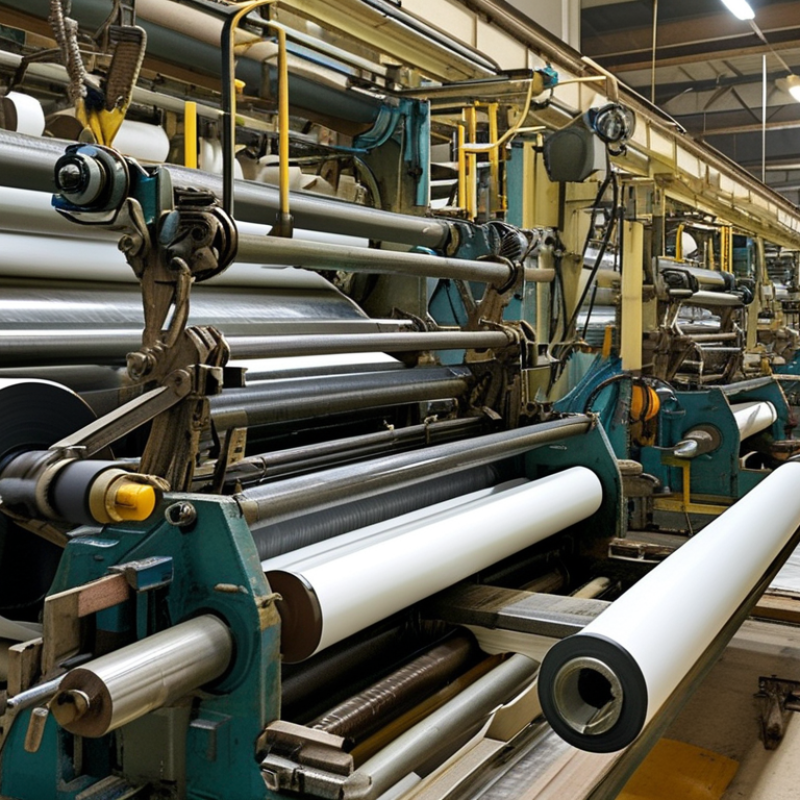
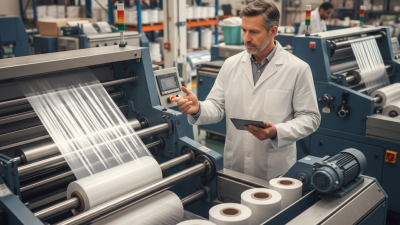
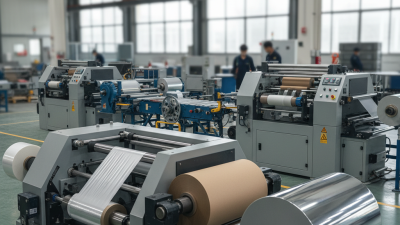
The Rewinding Machine is a crucial tool in many industries. It streamlines processes and enhances efficiency. Businesses rely on this machine to manage materials effectively. By rewinding fabrics, films, and papers, companies improve production quality. High-speed operation reduces wastage and saves time.
Using a Rewinding Machine offers significant advantages. It can transform raw materials into compact rolls. This ensures better storage and easier handling. Efficiency increases as less time is spent on manual winding. Workers can focus on more critical tasks.
However, using a Rewinding Machine is not without challenges. Initial costs and maintenance can be a concern. Operators need proper training to maximize the machine’s potential. Despite these hurdles, the benefits often outweigh the drawbacks. Embracing the advanced technology of a Rewinding Machine can lead to notable improvements in productivity and profitability.
Benefits of Increased Efficiency in Production Processes
Using a rewinding machine can greatly enhance production efficiency. These machines streamline operations by quickly converting large rolls of material into smaller, manageable units. This efficiency reduces downtime during shifts, allowing for a smoother workflow. With quicker setup times, operators can produce more in less time.
The precision of rewinding machines also minimizes waste. Reducing waste is crucial for maintaining cost-effectiveness in production. Moreover, creating high-quality rolled products leads to better end-user satisfaction. Companies often observe a notable improvement in their output metrics after implementing these machines. However, there can be a learning curve involved for operators. Proper training is essential to avoid setbacks.
Efficiency is not without challenges. Operators may face issues like inconsistent winding tension or product defects. These concerns can slow down production. Regular maintenance can address many of these hiccups, ensuring the machines run smoothly. Investing time in setup and training is crucial for long-term gains. Understanding the full picture is necessary to reap the benefits of modernization in production processes.
What Are the Benefits of Using a Rewinding Machine? - Benefits of Increased Efficiency in Production Processes
| Benefit |
Description |
Impact on Efficiency |
Examples of Use |
| Time Savings |
Rewinding machines reduce the time required for rewinding processes. |
Increases overall production speed. |
Used in paper and film manufacturing. |
| Consistency |
Enhances the uniformity of product winding. |
Reduces defects and waste. |
Applicable in textile and plastic industries. |
| Cost Efficiency |
Lower labor costs by automating the winding process. |
Improves profit margins. |
Common in the packaging sector. |
| Customization |
Allows for product customization in sizes and roll types. |
Meets specific customer requests efficiently. |
Used for specialty products in various industries. |
| Reduced Material Waste |
Optimizes the amount of material used during winding. |
Contributes to sustainability efforts. |
Beneficial in industries aiming for eco-friendly practices. |
Enhanced Quality Control Measures with Rewinding Machines
Rewinding machines play an essential role in quality control during the manufacturing process. By providing a systematic way to unwind and rewind materials, these machines help eliminate defects caused by improper handling. For instance, they can remove wrinkles or misalignment in films and sheets, leading to a better end product. Enhanced quality control can significantly reduce waste, which is a concern for many manufacturers today.
Monitoring the winding process is crucial. Rewinding machines often include sensors that detect inconsistencies. This allows operators to rectify issues in real-time, ensuring only top-quality materials move forward. However, relying heavily on technology can create challenges. Operators may become too dependent on machines, potentially overlooking manual checks that are equally important. It's essential for teams to balance automated processes with human oversight.
Additionally, the precision of rewinding machines can sometimes create a false sense of security. If not properly calibrated, these machines can introduce new defects. This highlights the need for regular maintenance and employee training. Over time, the commitment to refining the quality control process helps establish a culture of excellence and accountability within manufacturing environments.
Cost-Effectiveness of Using Rewinding Machines in Manufacturing
Rewinding machines play a crucial role in modern manufacturing. They optimize the production process, particularly in industries dealing with rolls of material. By streamlining the winding process, these machines reduce labor costs and enhance efficiency. This leads to significant savings over time.
In terms of cost-effectiveness, rewinding machines are an investment. They lower waste levels by ensuring materials are wound correctly. Incorrectly wound material can lead to rework or scrap, increasing costs. A dedicated rewinding machine minimizes these risks, providing a consistent and high-quality product.
However, it's essential to consider the initial investment and ongoing maintenance costs. Some companies may overlook these factors, leading to budget overruns. Regular maintenance is crucial to keep machines running smoothly. Neglecting this can result in costly repairs. Each decision requires careful consideration to balance upfront costs with long-term savings.
Benefits of Using a Rewinding Machine
Versatility in Handling Different Materials and Sizes
In the competitive manufacturing landscape, a rewinding machine stands out for its versatility. It can efficiently handle various materials such as paper, film, and textiles. According to industry reports, nearly 70% of manufacturers have adopted these machines due to their ability to process multiple sizes. This adaptability is crucial, as it reduces production time and increases overall output.
The rewinding machine easily adjusts to different roll widths and diameters. It streamlines the process of converting bulk materials into smaller, manageable rolls. For instance, in the paper industry, production lines can switch between wrapping materials with different thicknesses without significant downtime. This flexibility allows companies to meet diverse customer demands more effectively.
However, navigating this technology is not without challenges. Operators must be trained adequately to handle various materials, which can affect performance. A single miscalibration can lead to wastage. Adapting to new materials often requires trial and error. Understanding how each material behaves during the rewinding process is essential. The balance between speed and precision is a constant focus for many operators looking to maximize efficiency while maintaining quality.
Reduction of Manual Labor and Associated Health Risks
The reduction of manual labor is one of the key benefits of using a rewinding machine. In industries like packaging and textiles, labor costs can account for a substantial portion of overall expenses. According to a report from the National Association of Manufacturers, automating tasks can reduce labor costs by up to 25%. Rewinding machines take over repetitive tasks, allowing workers to focus on more complex activities that require their expertise.
Moreover, less manual labor translates to significantly lower health risks. Jobs that involve prolonged manual handling can lead to musculoskeletal disorders. The Bureau of Labor Statistics indicates that such injuries cost U.S. businesses around $20 billion yearly. In environments where rewinding machines are used, the incidence of these injuries drops dramatically. Operators simply oversee the machines instead of performing strenuous tasks, creating a safer workplace.
However, introducing a rewinding machine is not without its challenges. Workers may initially resist the change due to fear of job loss. Training them on new technology can be a daunting process. Organizations must approach this transition carefully. Balancing automation and human input is crucial for maximizing efficiency while maintaining a satisfied workforce. Continuous evaluation of processes is key to ensuring that both employees and machinery coexist effectively and safely.

 Contact immediately

 Contact Phone
 Contact Email