Contact immediately


Choosing the best Paper Rewinding Machine in 2026 is not a simple race for maximum speed. A converter may need stable tension, clean slit edges, low waste, and reliable roll hardness across different paper grades. A machine running at 2,000 meters per minute can still disappoint if finished rolls show wrinkles, telescoping, or loose cores. Small defects become expensive when they appear across a full production shift.
Paper-converting engineer Dr. Christian Schindler offers a useful principle: “The right machine is the one that matches the process, not the biggest machine available.” This idea deserves attention. Buyers should compare web width, parent-roll diameter, winding technology, knife systems, automation, energy use, and operator access. Service response also matters. A brilliant specification sheet cannot repair a production stoppage by itself.
Look closely at the machine floor. Can one operator load shafts without awkward lifting? Does the control system show tension changes clearly? Are dust-removal parts easy to clean? These details often decide daily performance. Remote diagnostics may reduce downtime, but they are not a substitute for skilled technicians and spare parts nearby.
There is no universal winner. That is the uncomfortable truth. A packaging converter, tissue producer, and specialty-paper mill may require completely different rewinding platforms. This guide compares leading options through measurable performance, practical usability, ownership cost, and long-term reliability. Some conclusions may remain imperfect, because real production conditions vary. Still, a careful evaluation can reveal which Paper Rewinding Machine fits your material, workforce, and growth plans.
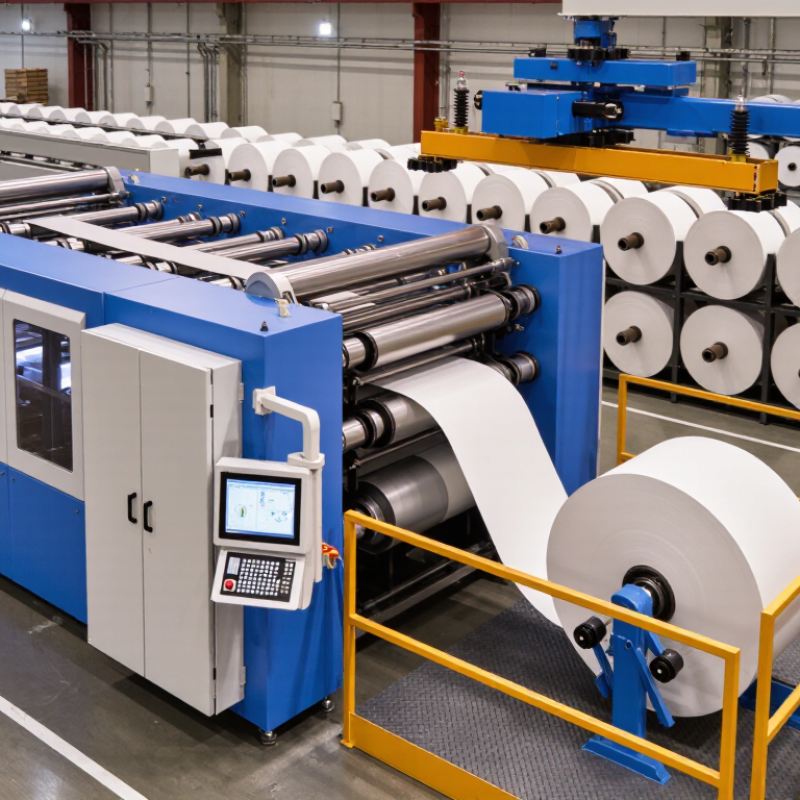
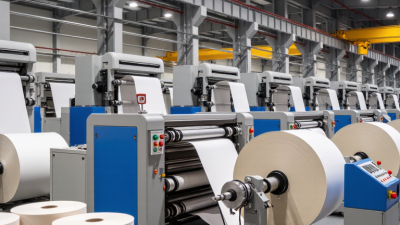
A paper rewinding machine converts large parent rolls into smaller, usable rolls. It unwinds paper from a master roll, controls its movement, and winds it onto new cores. Many machines also slit the web into narrower widths. The finished rolls may serve printing, packaging, labeling, or tissue applications.
Its main working parts include an unwind stand, tension controls, slitting knives, winding shafts, and a drive system. Sensors monitor roll diameter, speed, and alignment. Tension is especially important. Too much tension can stretch or tear lightweight paper. Too little tension may create loose edges, wrinkles, or telescoped rolls. Small changes matter.
In a real production room, operators check the first rewound rolls by hand. They inspect edge quality, hardness, core position, and surface marks. A machine can run quickly, yet poor tension settings waste an entire parent roll. That part is easy to underestimate. The best paper rewinding machine in 2026 should match the paper grade, roll width, output target, and required automation. Advanced controls help, but they do not replace careful setup. Even experienced operators may need to adjust settings when humidity, paper coating, or roll density changes. A reliable machine should also allow safe access, clear diagnostics, and consistent results during long production runs.
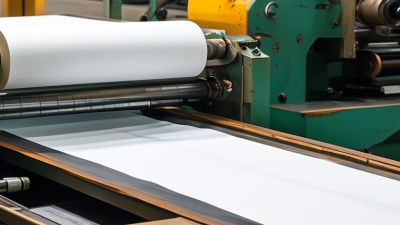
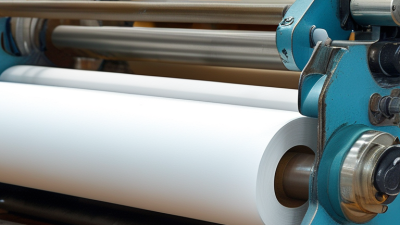
A paper rewinding machine converts a wide parent roll into narrower, cleaner rolls. The process begins at the unwind stand, where the parent roll rotates under controlled tension. A dancer roller or load-cell system measures web force and corrects speed changes. This prevents wrinkles, loose layers, and sudden web breaks.
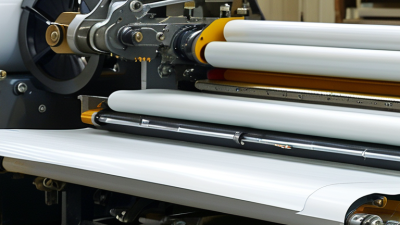
The paper then passes through guide rollers and, when needed, slitting knives. These knives divide the web into precise widths. Each strip moves toward a winding station, where cores, chucks, and pressure rollers build new rolls.
Servo motors adjust torque as the roll diameter increases. That detail matters. Excessive torque can crush the core, while weak torque creates telescoping edges. Small alignment errors become visible near the roll surface.
Dust is another practical concern. It can affect sensors, bearings, and finished roll quality. Operators should inspect knife sharpness, roller cleanliness, core fit, and tension readings during each shift.
Moisture also changes paper behavior, so identical settings may not work every day. This is easy to underestimate. A machine with advanced controls still depends on accurate calibration and trained observation.
The best equipment is therefore not defined by speed alone. Stable tension, repeatable width control, safe access, and simple maintenance often decide whether production remains reliable.
Some trial adjustments may still be necessary. That is normal.
The best paper rewinding machine in 2026 must combine precise tension control, fast changeovers, and measurable energy efficiency. Modern systems should handle lightweight paper without wrinkles, telescoping, or uneven edges. Servo-driven shafts can adjust winding torque continuously. Automatic edge guiding also keeps finished rolls aligned within tight tolerances.
Speed is not enough. Operators need a clear touchscreen, recipe storage, and real-time alarms. According to the International Federation of Robotics’ World Robotics 2024 report, factories installed 541,302 industrial robots worldwide in 2023. This supports greater automation, but paper converting still requires skilled judgment.
A sensor may detect tension drift, yet an experienced operator can notice a soft roll before the alarm appears.
Sustainability is another key feature.
CEPI reported a 79.3% paper recycling rate in Europe during 2023. Recycled fibers often vary in strength, so the rewinder should offer responsive tension settings and stable core control. Energy monitoring matters too. The system should record power use per finished ton, not only display total consumption.
Tool-free knife changes can reduce downtime and improve workplace safety.
I would still question impressive speed claims without production-floor evidence. A machine that reaches maximum speed only with ideal paper may disappoint. Trial runs, maintenance records, and sample rolls reveal more than a specification sheet.
Choosing the best paper rewinding machine in 2026 starts with the paper, not the machine’s advertised speed.
Different rewinder types solve different production problems. A surface rewinder controls the outer roll carefully and suits lighter paper with stable tension. A center rewinder grips the core directly, which can improve winding control for thicker grades. A center-surface rewinder combines both methods for firm, uniform rolls across changing widths.
The machine must match your daily work. Check web width, core diameter, finished roll weight, and required output before comparing models.
Automatic slitter rewinders can reduce handling and produce several narrow rolls in one cycle. They need accurate knife settings, though. A small alignment error may create telescoping edges or uneven roll pressure.
In a working plant, operators should also inspect dust removal, shaft stability, emergency stops, and tension sensors.
From practical testing, stable tension often matters more than maximum speed. Fast winding looks impressive, but poor hardness can cause wrinkles during later converting. Energy use, setup time, and spare-part access also affect the real cost.
There is no universal winner. A center-surface design may be excessive for simple orders, while a basic surface rewinder may struggle with demanding grades.
Trial runs with your actual paper remain essential. I would record roll density, edge quality, noise, and changeover time, then question any result that looks unusually perfect.
Choosing the right paper rewinding machine starts with your actual production needs, not the highest advertised speed. Measure the paper width, thickness, roll diameter, core size, and daily output. A machine designed for narrow rolls may struggle with wide, heavy reels. Check its tension control carefully. Uneven tension can create loose edges, wrinkles, or telescoped rolls.
In plant testing, stable tension often matters more than maximum speed. It also reduces material waste and operator adjustments. Do not ignore the cutting system. Clean, accurate slitting produces consistent customer-ready rolls.
Tips: Ask for trial rewinding with your own paper. Review speed changes, splice handling, noise, and finished roll hardness. Confirm whether operators can adjust settings without complex software.
Inspect the frame, safety guards, emergency stops, and access points. Reliable service support matters, too. A perfect machine is useless during a long repair delay.
Consider future production changes before purchasing. Servo control, automatic shaft handling, dust removal, and recipe storage can improve efficiency. However, extra automation may increase maintenance demands and training time. This is where many buyers misjudge the investment.
Compare total operating cost, not only the purchase price. Ask for documented performance data and realistic tolerances. Some suppliers present ideal results from short demonstrations. Longer trials reveal heat, vibration, dust buildup, and operator fatigue.
Leave room for improvement. Your first specification may not be completely right.