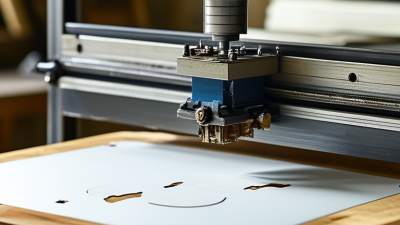
| Precision Layer Winder |
- Single-layer and multi-layer winding
- Constant-pitch winding
- Cross-over and layer-transition control
- Automatic wire guiding and tension control
|
- Enamelled copper wire
- Enamelled aluminium wire
- Fine magnet wire
- Insulated round wire
|
Approximately 0.03–3.00 mm conductor diameter, depending on the spindle, guide, and tension system.
|
Small transformers, inductors, relays, solenoids, sensors, ignition coils, and compact motor coils.
|
Wire tension accuracy, traverse resolution, pitch control, spindle speed, and the number of programmable layers.
|
High-density, repeatable coils |
| Flyer Winding Machine |
- High-speed bobbin winding
- Coil winding with a rotating flyer
- Automatic start, stop, cut, and tying
- Multi-spindle production
|
- Magnet wire
- Self-bonding wire
- Insulated copper wire
- Insulated aluminium wire
|
Commonly about 0.05–1.20 mm wire diameter, with larger ranges available through dedicated tooling.
|
Transformer bobbins, relay coils, small inductors, solenoids, and general bobbin-wound components.
|
Maximum bobbin size, flyer balance, wire tension, winding speed, automatic loading, and wire-end handling.
|
High-volume bobbin production |
| Needle Winding Machine |
- Winding directly into stator slots
- Concentrated tooth-coil winding
- Needle insertion and controlled wire placement
- Automatic indexing between teeth
|
- Enamelled copper wire
- Bondable magnet wire
- Selected enamelled aluminium wire
|
Often used with approximately 0.10–1.50 mm wire diameter, subject to slot geometry and needle size.
|
Brushless DC motors, permanent-magnet motors, small industrial motors, fans, pumps, and actuators.
|
Slot opening, tooth width, winding space factor, needle access, wire diameter, and required coil turns.
|
Direct stator tooth winding |
| Spindle Winding Machine |
- Multi-spindle simultaneous winding
- Precision coil and bobbin winding
- Programmable speed and acceleration
- Automatic wire cutting and clamping
|
- Fine to medium magnet wire
- Insulated copper wire
- Insulated aluminium wire
- Selected litz wire constructions
|
Commonly approximately 0.04–2.00 mm wire diameter, depending on spindle power and wire-handling equipment.
|
Coils, transformers, inductors, sensor windings, relay coils, and small motor windings.
|
Required output, spindle count, torque, wire tension range, winding length, and synchronization accuracy.
|
Parallel high-output manufacturing |
| Toroidal Winding Machine |
- Winding through a toroidal core
- Even distribution around the core
- Programmable turns and spacing
- Automatic indexing and tension control
|
- Enamelled copper wire
- Enamelled aluminium wire
- Insulated copper wire
- Flat or rectangular wire on suitable equipment
|
Approximately 0.05–3.00 mm round wire is common; the usable range depends strongly on core aperture and shuttle size.
|
Toroidal transformers, common-mode chokes, current transformers, power inductors, and EMC filter components.
|
Core outside diameter, inside diameter, height, aperture, shuttle capacity, wire diameter, and fill factor.
|
Ring-core components |
| Linear or Rectangular Coil Winder |
- Layer winding on rectangular forms
- Long-coil and edgewise winding
- Programmable corner transitions
- Precision traverse across extended winding lengths
|
- Magnet wire
- Insulated copper wire
- Rectangular or flat wire
- Selected foil conductors
|
Round wire can range from approximately 0.10–5.00 mm; flat-wire capability depends on the guide and tension system.
|
Long solenoids, linear actuators, electromagnetic devices, air-core coils, and rectangular inductors.
|
Maximum winding length, corner radius, wire profile, traverse accuracy, tension stability, and tooling rigidity.
|
Long or non-circular coils |
| Foil Winding Machine |
- Layer winding with metal foil
- Insulation interleaving
- Edge alignment and tension control
- Automatic foil and insulation cutting
|
- Copper foil
- Aluminium foil
- Polyester insulation film
- Polypropylene insulation film
|
Foil thickness is commonly about 0.05–1.00 mm, with width selected according to the core window and product design.
|
Low-voltage transformers, high-current inductors, reactors, and foil-wound power components.
|
Foil width and thickness, insulation-film compatibility, edge alignment, tension, welding method, and core window size.
|
High-current foil windings |
| Litz Wire Winding Machine |
- Controlled winding of multi-strand wire
- Low-tension winding
- Layered or distributed coil formation
- Terminal preparation and strand management
|
- Polyurethane-insulated litz wire
- Polyester-insulated litz wire
- Self-bonding litz wire
- Fine-strand magnet wire assemblies
|
Strand diameter may be approximately 0.02–0.20 mm; overall bundle diameter varies widely by strand count.
|
High-frequency transformers, wireless-power coils, induction coils, resonant inductors, and RF components.
|
Bundle diameter, strand flexibility, allowable tension, insulation removal method, bend radius, and termination process.
|
High-frequency windings |
| Heavy-Duty Coil Winder |
- Large coil and drum winding
- Heavy-gauge wire placement
- Layer insulation handling
- Controlled low-speed, high-torque winding
|
- Large enamelled copper wire
- Large enamelled aluminium wire
- Insulated rectangular copper wire
- Cable and strip conductors on suitable systems
|
Frequently used above 2.00 mm conductor diameter; specialized equipment may handle substantially larger conductors.
|
Power transformers, reactors, large inductors, motor coils, generator windings, and industrial cable coils.
|
Maximum coil mass, mandrel torque, conductor cross-section, tension capacity, braking system, and floor-space requirements.
|
Large, heavy electrical coils |
| Cable and Filament Winder |
- Precise take-up and spool winding
- Traverse winding and pattern control
- Length measurement
- Automatic tension and reel change functions
|
- Electrical cable
- Coaxial cable
- Fiber-optic cable
- Metallic or polymer filaments
|
Material diameter and reel size vary widely; the machine should be selected according to cable stiffness, bend radius, and spool capacity.
|
Cable reels, communication cable, sensor cable, wire harness material, filaments, and flexible tubing.
|
Minimum bend radius, allowable pulling force, reel width, take-up torque, length accuracy, and surface protection.
|
Spooling flexible continuous materials |
| Multifunction CNC Winder |
- Recipe-based winding programs
- Multiple coil geometries
- Automatic wire preparation and termination
- Integration with testing, loading, and inspection systems
|
- Fine and medium magnet wire
- Insulated copper and aluminium wire
- Selected litz wire
- Flat wire and specialty conductors with suitable tooling
|
A broad range is possible, but the practical limit is determined by the selected winding head, guide, tensioner, and tooling.
|
Mixed-product production, prototype development, automotive coils, sensors, transformers, inductors, and motor components.
|
Program flexibility, changeover time, axis control, data logging, traceability, inspection interfaces, and tooling availability.
|
Flexible production with many variants |
| Automatic Stator Winding Line |
- Coil insertion or direct winding
- Stator indexing and transfer
- Wire stripping, cutting, tying, and forming
- Electrical and dimensional inspection
|
- Enamelled copper wire
- Enamelled aluminium wire where supported
- Insulated motor winding wire
|
Common wire sizes range from approximately 0.20–2.50 mm, depending on motor size, slot design, and winding method.
|
Stators for fans, pumps, compressors, industrial motors, traction auxiliaries, and electric drive systems.
|
Stator diameter, slot count, slot fill, winding method, wire size, connection layout, takt time, and quality controls.
|
Automated motor production |

 Contact immediately

 Contact Phone
 Contact Email