Contact immediately


Choosing the right Roll Printing Machine can shape production speed, print quality, and long-term operating costs. Global buyers face many options, from compact units for short runs to industrial systems built for continuous material processing. Each machine may look impressive in a brochure. Real performance often depends on substrate compatibility, drying control, registration accuracy, and operator experience.
This guide reviews seven leading roll printing machines for international buyers. The comparison considers print resolution, working width, production speed, ink technology, maintenance access, energy use, and technical support. These details matter on a busy factory floor, where a misaligned roll can create meters of waste within minutes. We also consider installation requirements, spare-part availability, training, and warranty clarity. A lower purchase price may not remain economical if service response is slow.
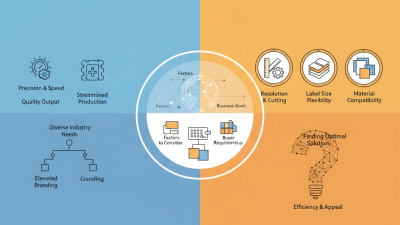
No machine is perfect. The best choice depends on your materials, order volume, budget, and local operating conditions. That matters. Buyers should verify electrical standards, ventilation needs, software compatibility, and applicable environmental requirements before placing an order. Product specifications can also change between models or regions, so independent confirmation remains essential. Our recommendations aim to provide a practical starting point, not a substitute for testing. Requesting sample production is wise, especially when printing on sensitive films, textiles, paper, or coated surfaces. A careful decision today can reduce rejected products, unexpected downtime, and costly retrofits later.
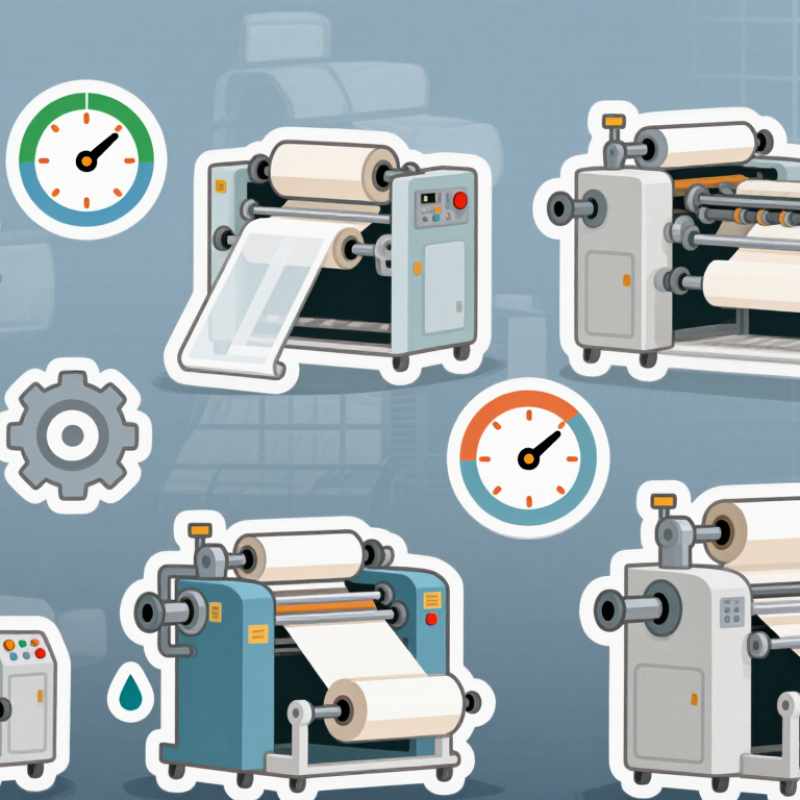
7 Best Roll Printing Machines for Global Buyers
What Roll Printing Machines Are and How They Work
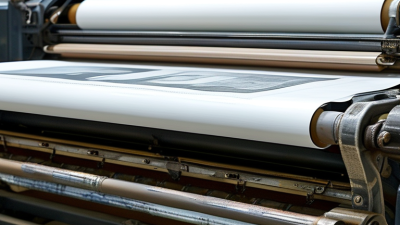
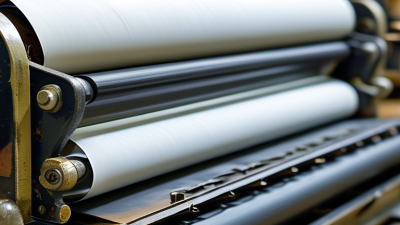
Roll printing machines print continuous material from a large roll instead of separate sheets. They commonly handle paper, film, fabric, labels, and flexible packaging materials. The machine unwinds the roll, guides it through printing stations, dries the ink, and rewinds the finished material. Web tension must remain stable throughout this process. Even a small tension change can cause wrinkles, color shifts, or registration errors.
Different machines use flexographic, gravure, offset, or digital printing systems. Flexographic equipment suits high-volume work and many absorbent materials. Gravure systems can deliver detailed images across long production runs. Digital machines reduce setup time and support shorter batches. In practice, the best choice depends on substrate, ink type, print width, speed, and maintenance skills. Higher speed is not always better. I have seen production plans fail because drying capacity was ignored. That mistake is easy to repeat.
Tips: Check the unwinding unit first. It should support your roll weight and core size. Ask for test samples using your actual material. Measure color consistency, drying performance, waste, and changeover time. Keep spare rollers and cleaning tools available. Operators also need clear training, because rushed adjustments often create avoidable defects. Compare total operating cost, not only the purchase price. Leave room for improvement; real production rarely matches the first estimate.
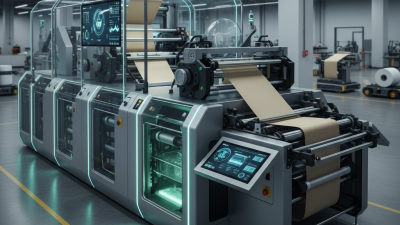
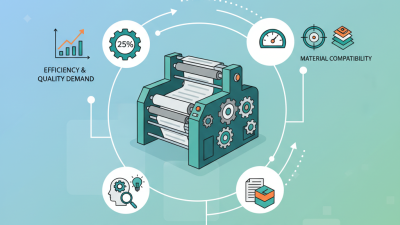
Choosing among the 7 best roll printing machines requires more than comparing advertised speed. The right choice depends on media type, print width, daily workload, and finishing needs. A machine handling fabric rolls may not suit adhesive film or coated paper. Check supported materials carefully.
Print resolution matters for small text, sharp lines, and color consistency. Drying performance matters too. Slow drying can cause smearing during rewinding. Ask for sample prints using your actual media. This test often reveals problems that brochures miss. Also compare ink consumption, waste levels, setup time, and energy use. A cheaper machine may cost more after several months of heavy production.
Tips: Measure your workspace first. Leave room for roll loading and maintenance. Confirm whether operators can replace printheads safely. Review software compatibility, spare-part availability, training, and response times. Local technical support can prevent long production delays. Do not judge speed alone. Real output depends on artwork complexity, drying settings, and material changes. I have seen buyers overlook these details and regret the decision. That is worth reflecting on. Check safety certifications and operating requirements for every target market. Reliable documentation supports safer purchasing and easier compliance.
| Rank | Machine Type | Best For | Maximum Print Width | Typical Production Speed | Maximum Resolution | Compatible Media | Ink and Finishing | Typical Power Requirement | Main Advantage |
|---|---|---|---|---|---|---|---|---|---|
| 1 | Eco-Solvent Roll-to-Roll Printer | Outdoor signs, vehicle graphics, banners, decals and posters | 1.3–1.6 m | 15–35 m²/h | Up to 1,440 dpi | Self-adhesive vinyl, banner, coated paper, film and canvas | Low-odor solvent-based ink; requires heater and ventilation; lamination is recommended for demanding outdoor use | 2–4 kW | Balanced image quality and operating cost |
| 2 | Roll-to-Roll UV Printer | Short-run signage, labels, flexible packaging and specialty graphics | 1.6–3.2 m | 20–60 m²/h | Up to 1,440 dpi | Vinyl, film, synthetic paper, banner, mesh and coated textiles | UV-curable ink; instant curing; white and varnish channels may be available | 4–8 kW | Immediate dry output with broad media compatibility |
| 3 | Aqueous Dye-Sublimation Printer | Sportswear, flags, soft signage, home décor and polyester fabrics | 1.6–3.2 m | 30–100 m²/h | Up to 1,200 dpi | Dye-sublimation paper and transfer-compatible polyester fabric | Water-based dye-sublimation ink; requires heat transfer through a calendar press or heat oven | 2–5 kW for printer only | Bright colors and excellent fabric penetration |
| 4 | Direct-to-Fabric Textile Printer | Interior textiles, décor fabrics, polyester blends and display materials | 1.6–3.2 m | 20–70 m²/h | Up to 1,200 dpi | Polyester, cotton, viscose, nylon and blended textiles, depending on ink set | Pigment, reactive, acid or disperse ink; post-treatment may require steaming, washing or heat fixation | 3–8 kW for printer only | Prints directly onto a wider range of textile materials |
| 5 | Latex Roll-to-Roll Printer | Retail graphics, wall coverings, indoor signage and high-volume displays | 1.6–3.2 m | 25–75 m²/h | Up to 1,200 dpi | Vinyl, wallpaper, coated paper, banner, polyester fabric and film | Water-based resin or latex-type ink; integrated heating and drying; finished prints are generally odor-reduced | 5–12 kW | Fast-drying prints suitable for indoor environments |
| 6 | Industrial Solvent Printer | Large outdoor billboards, vehicle fleets, building wraps and long production runs | 3.2–5.0 m | 50–150 m²/h | 360–720 dpi | PVC banner, mesh, vinyl, coated fabric and other outdoor substrates | Solvent or mild-solvent ink; heavy-duty media handling; ventilation and drying space are required | 6–15 kW | High throughput and strong outdoor durability |
| 7 | UV Roll-to-Roll and Flatbed Hybrid | Mixed production involving flexible rolls, rigid boards, décor panels and specialty products | 1.6–3.2 m roll width | 20–60 m²/h | Up to 1,440 dpi | Vinyl, banner, film, paper, fabric, foam board, acrylic and coated rigid sheets | UV-curable ink with LED or mercury-lamp curing; white ink and varnish are commonly optional | 5–12 kW | One platform for both roll and sheet production |
Choosing among seven leading roll printing machines requires more than comparing speed. Global buyers should examine print width, material compatibility, drying control, and daily production demands. In practical testing, stable web tension often matters more than impressive maximum speed. Poor tension can create wrinkles, blurred edges, and wasted rolls.
The strongest machines usually support precise color control, automatic alignment, and simple maintenance access. Check whether the system handles paper, film, fabric, or coated materials safely. A reliable machine should also provide consistent output during long runs. However, no machine is perfect. Some models reduce setup time but require skilled calibration. Others offer high speed but consume more energy than expected. Ask for sample production before purchasing.
Tips: Request printed samples using your actual roll material. Measure setup time, noise, power use, and waste. Review the control interface carefully. Operators need clear alerts, not confusing screens. Also confirm spare-part availability and remote technical support in your region. A lower purchase price may become expensive when service is slow. Leave room for training, because even advanced equipment can underperform without experienced operators.
For global buyers, the seven strongest roll printing choices serve different production realities. Flexographic machines suit high-volume film, paper, and label work, especially for converters needing fast drying. Rotogravure delivers dense colors and stable repeat quality for long packaging runs. Digital inkjet machines fit short runs, variable designs, and regional testing. Web offset remains useful for magazines, inserts, and premium paper products. Screen printing supports thick ink effects, while laminating-coating lines add barrier or tactile finishes. Slitting and rewinding systems complete the workflow for precise roll preparation. One machine rarely does everything well.
Buyer profiles matter more than impressive specifications. A multinational converter may prefer flexography with automated tension control and inline inspection. A growing food-packaging supplier may choose gravure for consistent, large-volume output. Start-ups and contract printers often benefit from digital inkjet, because it reduces plate costs and setup waste. According to Grand View Research, the digital printing packaging market was valued at about 18.65 billion dollars in 2023, with an estimated 8.1% CAGR through 2030. That growth reflects demand for customization, not universal machine superiority.
A practical selection should compare substrate range, drying energy, changeover time, operator skill, and local service access. Smithers’ flexible packaging forecasts also highlight continued demand for lightweight films and shorter production cycles. Check the numbers carefully. A quoted speed may exclude warm-up, cleaning, and roll changes. In plant evaluations, those minutes can reshape the real cost per roll. My imperfect view: buyers sometimes overvalue maximum speed and undervalue stable registration at ordinary speed.
International Purchasing, Installation, and Maintenance Considerations
Choosing among the seven best roll printing machines requires more than comparing print speed. Global buyers should examine media width, ink type, drying method, and daily workload. Eco-solvent machines suit outdoor graphics, while UV systems handle rigid and flexible materials. Textile-focused machines need controlled humidity and reliable color management. Check electrical requirements carefully. A machine designed for one voltage may need a certified converter or factory adjustment.
Installation planning can prevent expensive delays. Confirm doorway width, floor strength, ventilation, and working space before shipment. Ask for a detailed packing list, installation drawings, and remote training access. Local technicians may not understand every adjustment, so clear manuals matter. Spare printheads, dampers, filters, and maintenance tools should travel with the machine. Customs paperwork also needs accurate descriptions and serial information.
Maintenance becomes easier when operators follow a fixed routine. Wipe the capping station daily, inspect rollers weekly, and record nozzle checks. Dust can create banding before anyone notices the cause. Parts matter. I once underestimated humidity control, and ink performance became unstable within days. That assumption fails. Buyers should also confirm service response times, software compatibility, warranty boundaries, and consumable availability in their region. A lower purchase price can become costly when one small part requires weeks to arrive. Even experienced teams should leave room for testing, because real production conditions rarely match a supplier’s demonstration room.