inquiry
Leave Your Message

How to Choose an Automatic CNC Machine?

Choosing an Automatic CNC Machine is not simply a matter of selecting the fastest spindle or the largest work envelope. It is a production decision. It affects accuracy, labor use, maintenance, energy consumption, and delivery reliability. Recent reports from Grand View Research and Fortune Business Insights forecast continued growth in the global CNC machine tools market, driven by aerospace, automotive, medical, and precision engineering demand. However, market growth does not guarantee a suitable purchase.

A practical evaluation begins with the part itself. Picture a steel component with six drilled holes, a tight tolerance, and 500 units required monthly. The right machine must match its material, dimensions, cycle time, tooling system, control platform, and operator skill level. Research from the International Federation of Robotics also shows rising industrial robot adoption, suggesting that automation is moving beyond machining alone. A machine may therefore need robotic loading, inspection, or seamless data exchange.

Shigeo Shingo, a respected manufacturing engineer, warned, “The most dangerous kind of waste is the waste we do not recognize.” His observation remains useful here. A low purchase price can hide long setup times, unstable software, poor chip evacuation, or expensive service visits. In my experience, these details often decide profitability. Still, no checklist is perfect. Buyers should test real parts, request measurable cycle-time evidence, and speak with current users before signing. The best Automatic CNC Machine is not the most impressive model. It is the one that repeatedly produces acceptable parts, with controlled costs, under actual factory conditions.
How to Choose an Automatic CNC Machine?

What an Automatic CNC Machine Is and How It Works

An automatic CNC machine is a computer-controlled system that shapes material with programmed movements. CNC means computer numerical control. Unlike a manual machine, it follows digital instructions with consistent speed, position, and tool movement.

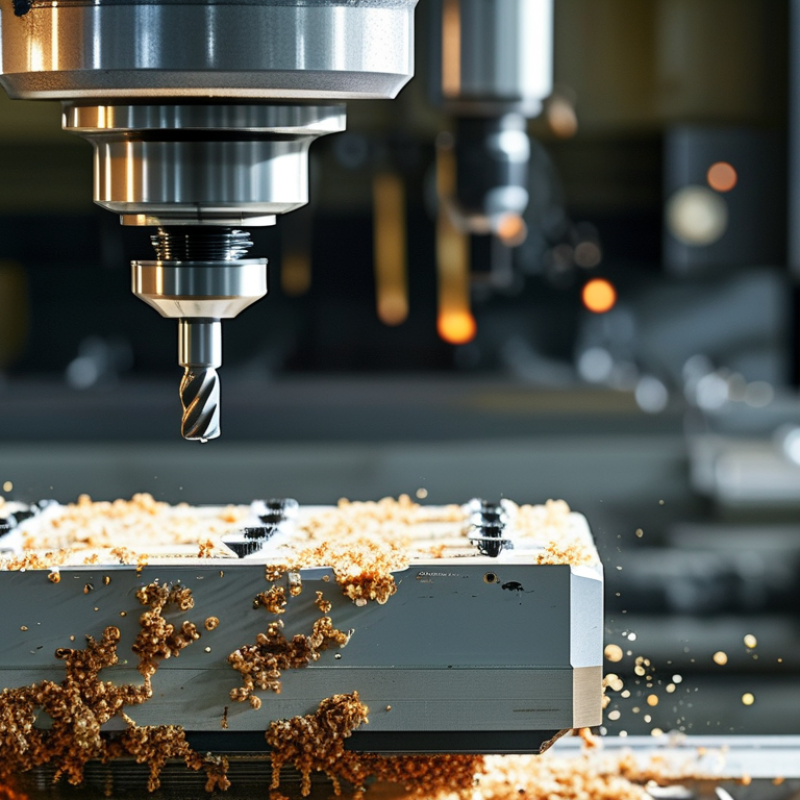
The process begins with a CAD drawing and a manufacturing program. The controller converts that program into commands for motors, spindles, and cutting tools. Sensors help monitor position, while an automatic tool changer selects the required cutter. A workpiece may enter through a bar feeder or robotic loading system. It can then be drilled, milled, turned, and measured with limited operator handling. The operator still checks tool wear, material alignment, coolant flow, and finished dimensions. Automation reduces repetitive work, but it does not remove responsibility.

Choosing the right machine requires more than comparing specifications. Match the working envelope to your largest part, with room for safe tool movement. Check spindle power, axis travel, positioning accuracy, cycle time, and controller usability. For long production runs, reliable loading and chip removal matter greatly. For varied prototypes, flexible programming may matter more than maximum speed. In practice, a machine can appear highly productive yet lose time through difficult setup or frequent maintenance. I have found that sample testing reveals problems that brochures often miss. Ask for a realistic cutting trial. Small details count.
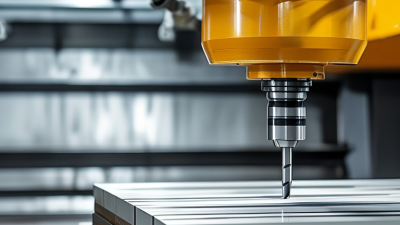
How to Choose an Automatic CNC Machine?

The number of controlled axes is a practical starting point when selecting an automatic CNC machine. More axes can reduce repositioning and support more complex geometries, while simpler machines are often suitable for turning or straightforward prismatic parts.

Typical configurations: CNC lathes commonly use 2 axes, machining centers commonly use 3 axes, and 4- or 5-axis machines add rotary movement for multi-sided or complex parts. Actual capabilities vary by machine configuration.

Key Machine Types and Their Typical Applications

Choosing an automatic CNC machine starts with the part, not the machine’s advertised speed. An automatic CNC lathe suits shafts, bushings, and other round components. It can feed bar stock, turn diameters, cut threads, and finish faces with limited operator input. A CNC milling machine fits brackets, housings, and irregular metal parts. Its moving spindle removes material from several directions. For repeated flat work, a compact machining center may provide better control than a large, expensive system. The part decides.

CNC routers are commonly used for wood, plastics, foam, and sheet composites. They are useful for panels, signs, cabinet parts, and prototypes. Their cutting area is often large, but their rigidity may not match a metal milling machine. Swiss-style turning machines handle slender, small parts with close support near the cutting tool. They suit medical, electronics, and precision hardware components when process validation is thorough. Automatic loading systems reduce handling, but they also add sensors, grippers, and maintenance points. More automation is not always better.

When comparing machine types, check spindle power, travel, tooling capacity, workholding, and material compatibility. Confirm that the control system supports your cycle times and inspection method. A machine that runs aluminum well may struggle with heat-sensitive plastics. Ask for sample cuts using your actual material and tolerances. Measure surface finish, chip control, dimensional drift, and setup time. These tests reveal more than a brochure. In one evaluation, a faster machine lost its advantage because tool changes and cleaning took longer than expected. That result mattered. Leave room for operator training and future part changes.

How to Define Your Production and Material Requirements

Choosing an automatic CNC machine starts with a clear production and material profile. Estimate your monthly quantity, batch size, part dimensions, and required tolerance. A machine for ten prototypes differs greatly from one running thousands of aluminum housings. Record cycle time, loading frequency, and operator involvement. These details reveal whether automatic tool changing or robotic loading is genuinely useful.

Material behavior matters just as much. Aluminum cuts quickly, while stainless steel demands stronger torque, stable fixturing, and effective chip control. Hardened materials may require slower cutting and specialized tooling. List the raw form, including bar, plate, casting, or tube. Check the largest workpiece, smallest feature, and deepest cavity. A practical test cut can expose vibration that a specification sheet hides. I once underestimated chip buildup during a long stainless-steel run. The machine was capable, but the process was not ready.

Define quality requirements before comparing machines. State the critical dimensions, surface finish, inspection method, and acceptable variation. Consider coolant filtration, tool life monitoring, power supply, floor space, and maintenance access. Ask the supplier for verified test results using your material and tooling conditions. Avoid choosing capacity you may never use. Oversized equipment can increase energy, setup time, and training costs. At the same time, leaving no growth margin can make a sound purchase feel outdated within a year. Your requirements should be specific, measurable, and open to revision.

How to Compare Accuracy, Automation, Capacity, and Software

Choosing an automatic CNC machine starts with the work, not the brochure. In a small job shop, I would measure the tightest tolerance, longest part, and most common material. A machine claiming high accuracy may still drift after hours of cutting. Ask for repeatability data at the temperature used in your facility. Request a sample cut. Measure it independently.

Automation should reduce handling without creating a new bottleneck. Automatic tool changers, probing, bar feeding, and chip removal can shorten cycle time. However, every added system needs maintenance, training, and reliable sensors. A machine that runs unattended for six hours sounds attractive. It becomes less useful if operators spend two hours correcting alarms. Check loading access, safety interlocks, recovery procedures, and real production records. Small details matter.

Capacity includes more than table size. Confirm axis travel, spindle power, tool storage, workholding, and the maximum part weight. Leave room for fixtures and future jobs. Software deserves equal attention. The control should support clear tool libraries, simulation, offline programming, and secure data transfer. Look for useful error messages, not confusing codes. Operators should learn the workflow quickly. I once underestimated programming time because the interface looked simple. That mistake cost several setup hours. Ask for a hands-on demonstration with your own drawing and tooling. Then compare actual cycle time, inspection results, training needs, and service response. Fancy features are not automatically valuable. Reliability is harder to measure, but impossible to ignore.

How to Evaluate Safety, Maintenance, Cost, and Supplier Support

Choosing an automatic CNC machine requires more than comparing spindle speed and purchase price. Safety should be tested on the shop floor. Check guarding, door interlocks, emergency stops, chip control, and access during tool changes. The design should support risk assessment under ISO 12100 and safety controls aligned with ISO 13849. A quiet machine is not always a safe machine.

Maintenance affects real production costs. The U.S. Department of Energy’s Operations & Maintenance Best Practices report indicates predictive maintenance can reduce maintenance costs by about 8–12% compared with preventive maintenance. Ask whether the CNC system records vibration, temperature, alarms, and spindle load. Also inspect the electrical cabinet. Dust, heat, and poor cable routing often create expensive failures. My experience is that maintenance promises are frequently too optimistic.

Tips: Request a five-year total-cost estimate. Include tooling, energy, software updates, training, spare parts, and downtime. Deloitte’s 2023 Smart Manufacturing and Operations Survey found that 86% of manufacturing executives view smart manufacturing as a major competitiveness driver within five years. However, automation without skilled support can become an expensive obstacle. Confirm response times, technician locations, parts availability, warranty limits, and remote-diagnostic procedures. Ask for a live demonstration using your material and cutting cycle. Paper specifications rarely reveal vibration, chip evacuation, or recovery behavior after an alarm. Test those details.

How to Choose an Automatic CNC Machine? — How to Evaluate Safety, Maintenance, Cost, and Supplier Support

Comparison of common automatic CNC machine categories using practical purchasing criteria

Machine Category Typical Applications Safety Evaluation Maintenance Requirements Typical Purchase Cost Estimated Annual Routine Maintenance Supplier Support Indicators Overall Fit for Automated Production
3-Axis Vertical Machining Center Prismatic parts, drilling, milling, tapping, and medium-volume batch production. Enclosed work area, door interlock, emergency stop, coolant and chip containment are normally expected.
Safety readiness: 4/5
Daily cleaning and coolant checks; weekly lubrication and chip-removal inspection; periodic spindle, axis, and tool-changer checks.
Typical maintenance time: 1–2 hours per week
Approximately USD 45,000–120,000, depending on travel, spindle power, controls, and automation options. Approximately 3%–6% of the machine purchase price per year, excluding major repairs and tooling. Confirm operator training, spare-parts availability, installation support, remote diagnostics, and a documented service response target of 1–2 business days. Suitable for most general-purpose automated machining.
Automation fit: 4/5
5-Axis Machining Center Complex contoured parts, aerospace-style components, medical components, and reduced-setup production. Full enclosure, door interlocks, collision protection, safe tool-change procedures, and controlled access to rotary axes are important.
Safety readiness: 4/5
Requires careful calibration, rotary-axis inspection, thermal management, lubrication checks, and software backup procedures.
Typical maintenance time: 2–4 hours per week
Approximately USD 120,000–350,000, depending on machine architecture, accuracy, spindle package, and integrated automation. Approximately 4%–8% of the machine purchase price per year, excluding calibration and major component replacement. Supplier should provide post-processors, simulation support, accuracy verification, application engineering, and rapid technical escalation. Excellent for complex parts but requires experienced programming and process control.
Automation fit: 5/5
CNC Turning Center Automatic turning, facing, threading, grooving, boring, and high-volume round-part production. Enclosed chuck area, interlocked door, chuck confirmation, workholding verification, and safe guarding around rotating components are essential.
Safety readiness: 4/5
Requires regular chuck and tooling inspection, lubrication checks, coolant management, guideway cleaning, and chip-conveyor maintenance.
Typical maintenance time: 1–3 hours per week
Approximately USD 60,000–180,000, depending on spindle capacity, live tooling, bar-feeding, and part-handling equipment. Approximately 3%–7% of the machine purchase price per year, excluding bar feeders, robots, and major spindle work. Evaluate support for workholding, bar feeders, robot interfaces, tool-life management, and process optimization. Very suitable for repetitive production with stable part geometry.
Automation fit: 5/5
Compact CNC Mill-Turn Machine Small-batch production where milling and turning operations must be completed in one setup. Enclosure, door interlock, rotating-tool guarding, chuck confirmation, and clear emergency-stop access should be verified.
Safety readiness: 4/5
More complex maintenance than a single-purpose machine because it combines milling, turning, workholding, and multiple tool systems.
Typical maintenance time: 2–4 hours per week
Approximately USD 90,000–250,000, depending on spindle configuration, axis count, tooling, and automation equipment. Approximately 4%–8% of the machine purchase price per year. Supplier should offer programming assistance, tooling recommendations, cycle-time studies, integration support, and operator training. Strong capability with a higher learning curve and greater process complexity.
Automation fit: 4/5
CNC Router with Automatic Tool Changer Wood, plastic, composite, aluminum sheet, panel cutting, nesting, engraving, and large-format production. Enclosed or guarded cutting zone, spindle brake, emergency stops, dust extraction, tool-change guarding, and material hold-down controls are important.
Safety readiness: 3/5
Requires frequent cleaning, dust extraction inspection, collet and spindle checks, lubrication, and vacuum-table maintenance.
Typical maintenance time: 1–3 hours per week
Approximately USD 25,000–100,000, depending on table size, spindle power, automatic tool changer, and material-handling options. Approximately 3%–6% of the machine purchase price per year, excluding cutting tools and dust-collection equipment. Check availability of application support, nesting software assistance, dust-control guidance, spare spindles, and replacement vacuum components. Highly productive for sheet and panel work; less suitable for heavy metal cutting.
Automation fit: 4/5
CNC Swiss-Type Automatic Lathe High-volume production of small, slender, and precision turned components. Full enclosure, bar-stock guarding, interlocked access, chip containment, and reliable workholding confirmation are required.
Safety readiness: 4/5
Requires detailed inspection of guide bushings, bar-feeding systems, coolant filtration, tooling, lubrication, and chip evacuation.
Typical maintenance time: 2–5 hours per week
Approximately USD 100,000–300,000, depending on axis count, live tooling, bar capacity, and automation level. Approximately 4%–8% of the machine purchase price per year, excluding specialized tooling and bar-feeder repairs. Prioritize process-engineering support, tool-life optimization, bar-feeder service, programming assistance, and spare-parts lead times. Excellent for stable, high-volume small-part production; excessive for low-volume work.
Automation fit: 5/5
Evaluation note: Cost and maintenance figures are typical planning ranges for new industrial equipment and vary by machine size, configuration, region, installation, tooling, software, and automation scope. Before purchase, request a written quotation, safety documentation, preventive-maintenance schedule, training plan, spare-parts list, warranty terms, and guaranteed service-response conditions. Safety compliance should be verified against the regulations and risk-assessment requirements applicable in the installation country.