What is a Die Cutting Press and How Does it Work?
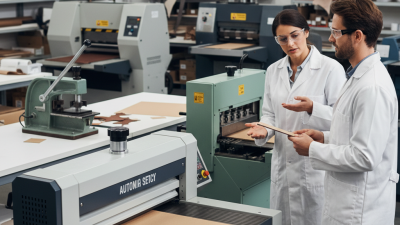
The Die Cutting Press is an essential tool in various industries, from packaging to print. Experts like John Smith, a renowned figure in the die-cutting sector, emphasize its significance. He states, “A Die Cutting Press transforms raw materials into precise designs.” This machine operates by applying pressure to cut materials into specific shapes. Understanding its functionality is crucial for optimizing production processes.
In a world where precision is vital, the Die Cutting Press excels. It enables businesses to produce intricate designs efficiently. However, working with this machinery requires expertise. Many users face challenges, such as maintaining consistent pressure or selecting the right materials. These issues highlight the need for ongoing training and best practices in the industry.
As industries evolve, the demand for advanced Die Cutting Press technology grows. Innovations lead to greater precision and speed, yet they also create complexities. Businesses must adapt to these changes, balancing efficiency with quality. The landscape of die-cutting continues to change, pushing professionals to stay informed and diligent.
What is a Die Cutting Press?
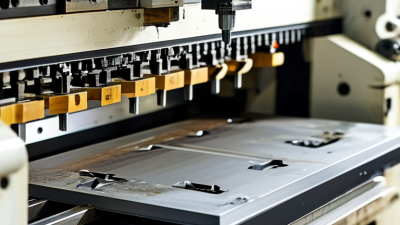
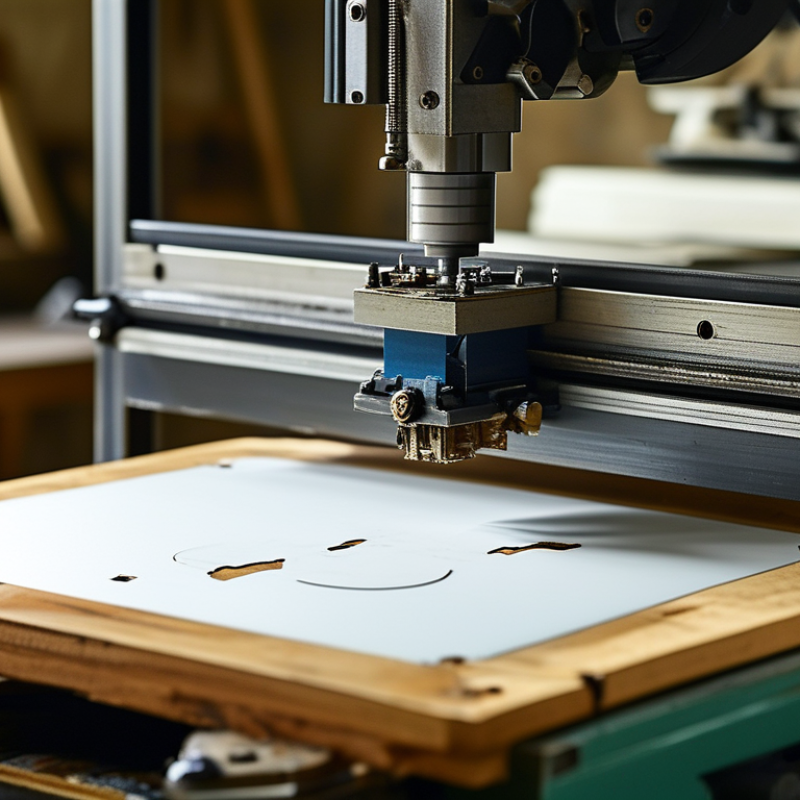
A die cutting press is a powerful machine used to cut materials into specific shapes. It utilizes a sharp die and pressure to create precise designs. These presses are prevalent in industries like packaging, textiles, and crafts. The process is efficient, allowing manufacturers to produce large quantities of items quickly.
The operation of a die cutting press involves several components. The die is usually made of steel and is designed to cut through various materials. When the press applies pressure, the die slices through the material effectively. It's important to note that not all materials can be cut with the same die. Experimentation and adjustments may be necessary to achieve the desired results.
While die cutting offers many advantages, challenges exist. Material thickness, die alignment, and press speed can all impact the quality of the cut. Sometimes, it might take several attempts to perfect a design. Understanding the nuances of die cutting is essential for optimal results. This learning process can be both frustrating and rewarding, emphasizing the need for skill and patience in this craft.
What is a Die Cutting Press and How Does it Work?
| Feature |
Description |
Applications |
Materials Used |
| Mechanism |
Uses pressure to cut materials into desired shapes using a die. |
Manufacturing, crafts, packaging. |
Paper, cardboard, plastic, fabric. |
| Types |
Manual, hydraulic, and electric die cutting presses. |
Used in industries for various cutting tasks. |
Varies based on type; commonly includes metals and plastics. |
| Advantages |
High efficiency, precision cutting, reduces waste. |
Ideal for bulk production and prototyping. |
Eco-friendly options available with certain materials. |
| Limitations |
Initial setup costs can be high; not suitable for very small batches. |
Not cost-effective for one-off items. |
Limited to materials that can withstand pressure cutting. |
Components of a Die Cutting Press
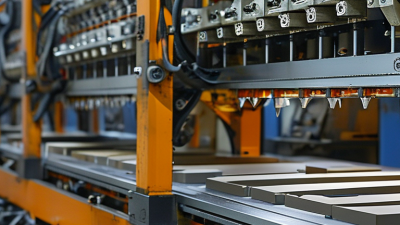
Die cutting presses are essential tools in various manufacturing processes. They consist of several components working together to create precise shapes from materials. The main elements include the frame, cutting bed, die, and stroke mechanism. Each part plays a vital role in ensuring accuracy and efficiency.
The frame provides support and stability. It holds the components in place during operation. A robust frame reduces vibrations and helps maintain precise cuts. The cutting bed is where the material is placed. It's crucial that this surface is level and durable to withstand repeated press cycles. The die, often made of steel or other strong materials, determines the shape being cut. The stroke mechanism drives the die down at controlled pressure.
Working with a die cutting press requires attention. Always ensure proper alignment of materials and dies. Regular maintenance can significantly prolong the machine's lifespan. According to industry reports, improper setup accounts for 30% of machine downtime. It might be beneficial to conduct periodic training sessions. Ensure operators understand the components and setup intricacies. These steps can improve both safety and productivity in your operations.
If you're new to die cutting, start with simple projects. As you gain experience, gradually introduce complex designs. This approach helps in identifying potential issues early. Mistakes can lead to material waste and affect production schedules, so learning from each experience is crucial.
How a Die Cutting Press Operates
A die cutting press is a powerful tool used in various manufacturing industries. It operates by using a die to cut materials into specific shapes. The most common materials processed include paper, cardboard, and certain plastics. The machine generates significant pressure to ensure precise cuts, making it an essential component in packaging, labels, and craft production.
Understanding how a die cutting press works involves a few critical steps. First, the die is carefully crafted to match the desired shape. Once secured, the material is fed into the press. The machine applies pressure, allowing the die to cut through the material cleanly. According to industry reports, die cutting technology can improve production efficiency by up to 30%. This highlights how vital the process is in a fast-paced manufacturing environment.
Operators must consider safety and maintenance aspects when using a die cutting press. Regular inspections prevent potential mishaps. Flaws in the die can lead to inconsistencies in the final product. Data from recent surveys indicate that maintenance-related downtime can cost companies thousands annually. So, while die cutting presses are efficient, they require strategic management for optimal results.
Common Applications of Die Cutting Presses
Die cutting presses are versatile tools used in various industries. They apply pressure to cut materials into specific shapes and sizes. This technology is widely employed in packaging, textiles, and automotive sectors, among others.
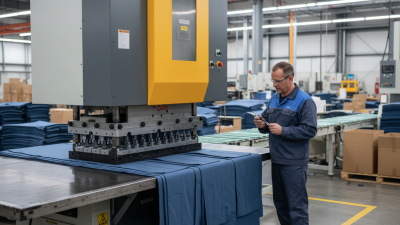
In the packaging industry, die cutting presses shape cardboard, paper, and plastics into boxes, labels, and inserts. This ensures products are safely enclosed and presented attractively. In textiles, these presses cut fabric into patterns for clothing or upholstery. The speed and precision of die cutting streamline production processes, reducing waste and enhancing efficiency.
Working with die cutting presses requires careful planning. Ensure accurate designs are created to avoid costly mistakes. Selecting the right materials is also essential. Some materials may not cut well, leading to subpar finished products. Monitor the press regularly to maintain quality and performance. This helps in avoiding unexpected downtimes.
Benefits of Using a Die Cutting Press
Die cutting presses are essential tools in various industries, offering a range of benefits. They efficiently create precise shapes from materials like paper, fabric, and plastic. The precision of these cuts enhances the quality of final products, making them visually appealing. With the ability to produce complex designs, businesses can meet diverse customer needs.
One significant advantage of using a die cutting press is production speed. These machines can cut multiple layers of material at once, saving time. This efficiency can increase overall productivity, allowing companies to respond quickly to market demands. Moreover, less waste is generated during the cutting process, which is both cost-effective and environmentally friendly.
However, it's important to acknowledge that die cutting presses require skill and maintenance. Improper setup can lead to inaccuracies and wasted materials. Regular checks and adjustments are necessary to ensure optimal performance. This aspect emphasizes the need for proper training and experience in operating these machines. Overall, the benefits of using a die cutting press are substantial, provided operators are well-prepared and vigilant.

 Contact immediately

 Contact Phone
 Contact Email